Discover the ancient treasures and playful deer of Japan’s first capital in Nara.
“Discover the ancient treasures and playful deer of Japan’s first capital in Nara.”
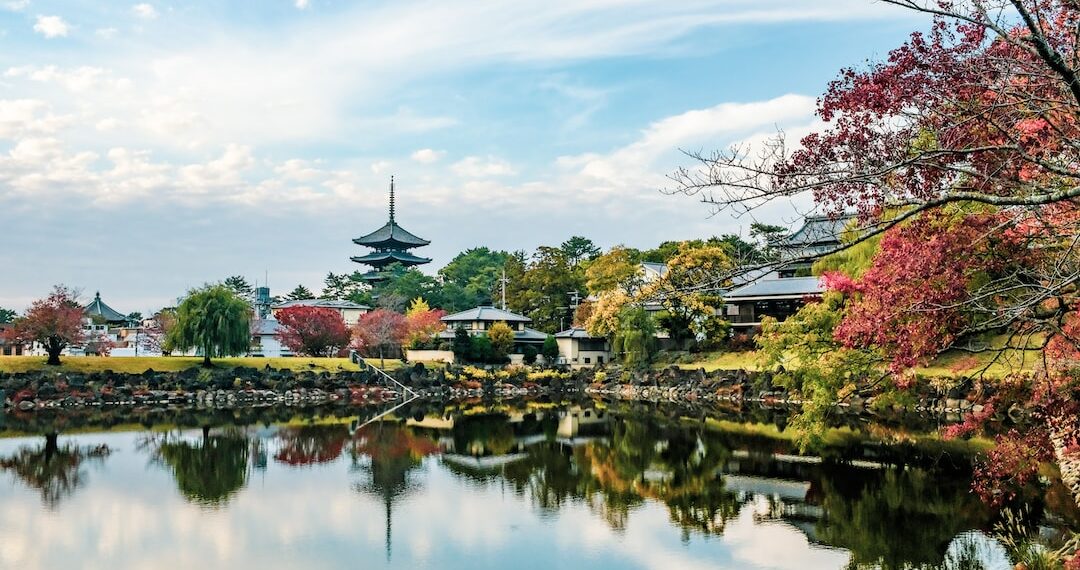
Nara
Japan’s First Permanent Capital: Nara
Nara, located in the Kansai region of Japan, was the country’s first permanent capital. It served as the center of political and cultural life during the Nara period (710-794). The city is known for its historical significance and is home to some of Japan’s most beautiful temples and shrines.
The establishment of Nara as Japan’s capital was a significant moment in the country’s history. Prior to Nara, the capital had been moved several times, with each new location bringing with it a new era of cultural and political development. However, it was during the Nara period that Japan began to establish a more centralized government and a distinct national identity.
One of the most impressive structures in Nara is the Todai-ji Temple. This temple is home to the largest bronze statue of Buddha in the world, which stands at over 16 meters tall. The temple itself is also massive, with a main hall that measures over 50 meters wide and 48 meters tall. The Todai-ji Temple was constructed in the 8th century and is a testament to the skill and ingenuity of the Nara period architects.
Another impressive structure in Nara is the Kasuga Taisha Shrine. This shrine is known for its beautiful architecture and its thousands of lanterns. The shrine was first constructed in the 8th century and has been rebuilt several times over the years. Today, it is one of the most popular tourist attractions in Nara and is a must-see for anyone interested in Japanese culture and history.
In addition to its temples and shrines, Nara is also home to a number of beautiful parks and gardens. The Nara Park, for example, is a vast green space that is home to over 1,000 deer. These deer are considered sacred and are protected by law. Visitors to the park can feed and interact with the deer, making it a popular spot for families and animal lovers.
Nara is also known for its traditional crafts. The city has a long history of producing high-quality textiles, ceramics, and lacquerware. Visitors to Nara can explore the city’s many shops and workshops, where they can watch artisans at work and purchase unique souvenirs.
Overall, Nara is a fascinating city with a rich history and culture. From its impressive temples and shrines to its beautiful parks and gardens, there is something for everyone in Nara. Visitors to Japan should not miss the opportunity to explore this beautiful city and learn more about Japan’s rich cultural heritage.
Todai-ji Temple
Japan’s First Permanent Capital: Nara
Japan is a country that boasts a rich and vibrant history, with many significant cultural landmarks that have stood the test of time. One such landmark is the Todai-ji Temple, located in the city of Nara, which was the first permanent capital of Japan.
The Todai-ji Temple was constructed in the 8th century, during the reign of Emperor Shomu, who wanted to establish a permanent capital for Japan. The temple was built to serve as the headquarters of the powerful Buddhist sect, Kegon, and was also intended to be a symbol of the emperor’s power and authority.
The Todai-ji Temple is a massive structure, with a main hall that is over 50 meters wide and 48 meters high. The hall is supported by 18 massive pillars, each of which is over 25 meters tall and made from a single tree trunk. The temple is also home to the world’s largest bronze statue of Buddha, which stands at a towering height of 15 meters.
The construction of the Todai-ji Temple was no easy feat, and it took over 10 years to complete. The temple was built using traditional Japanese building techniques, with wooden beams and pillars that were carefully fitted together without the use of nails or screws. The temple was also decorated with intricate carvings and artwork, which were created by skilled craftsmen from all over Japan.
The Todai-ji Temple has played an important role in Japanese history, and it has been the site of many significant events over the centuries. During the Heian period, the temple was the site of many imperial ceremonies and was a center of political power. The temple was also a popular destination for pilgrims, who came from all over Japan to pay their respects to the Buddha.
Today, the Todai-ji Temple is a popular tourist destination, and it attracts visitors from all over the world who come to marvel at its impressive size and beauty. The temple is also home to many important cultural artifacts, including ancient scrolls, statues, and paintings, which provide a glimpse into Japan’s rich cultural heritage.
Visitors to the Todai-ji Temple can also participate in a number of traditional Japanese activities, such as calligraphy, tea ceremony, and ikebana (flower arranging). These activities offer visitors a unique opportunity to experience Japanese culture firsthand and to learn more about the history of the temple and its significance in Japanese society.
the Todai-ji Temple is a remarkable structure that stands as a testament to Japan’s rich cultural heritage. From its impressive size and intricate carvings to its important role in Japanese history, the temple is a must-see destination for anyone visiting Japan. Whether you are a history buff, a cultural enthusiast, or simply someone looking to experience the beauty of Japan, the Todai-ji Temple is a place that should not be missed.
Nara Park
Japan’s First Permanent Capital: Nara
When it comes to Japanese history, Nara is a city that is often overlooked. However, it was actually Japan’s first permanent capital, and was home to the country’s emperors from 710 to 784. Today, Nara is a popular tourist destination, and is known for its beautiful temples, shrines, and gardens.
One of the most popular attractions in Nara is Nara Park, which is home to over 1,000 wild deer. These deer are considered sacred, and are believed to be messengers of the gods. Visitors to the park can purchase deer crackers to feed the animals, and can even take selfies with them. However, it’s important to remember that these are wild animals, and visitors should exercise caution when interacting with them.
In addition to the deer, Nara Park is also home to several important temples and shrines. One of the most famous is Todai-ji, which is home to the world’s largest bronze statue of Buddha. The temple was originally built in the 8th century, and has been rebuilt several times over the years. Today, it is a UNESCO World Heritage Site, and attracts visitors from all over the world.
Another popular temple in Nara Park is Kasuga-taisha, which is known for its thousands of stone lanterns. The temple was originally built in the 8th century, and was dedicated to the gods of agriculture and industry. Today, it is a popular destination for visitors who want to see the traditional Japanese architecture and beautiful gardens.
Nara Park is also home to several museums, including the Nara National Museum and the Nara Prefectural Museum of Art. These museums showcase the history and culture of the region, and are a great way to learn more about Japan’s first permanent capital.
One of the best times to visit Nara Park is during the spring, when the cherry blossoms are in bloom. The park is filled with pink and white blossoms, and visitors can enjoy picnics and strolls under the trees. In the fall, the park is also beautiful, with the leaves changing colors and the temperatures cooling down.
Overall, Nara Park is a must-visit destination for anyone interested in Japanese history and culture. From the wild deer to the beautiful temples and museums, there is something for everyone to enjoy. So if you’re planning a trip to Japan, be sure to add Nara to your itinerary. You won’t be disappointed!
Kasuga Taisha Shrine
Japan’s First Permanent Capital: Nara
Japan’s rich history is full of fascinating tales of emperors, samurais, and shoguns. One of the most intriguing stories is that of Nara, Japan’s first permanent capital. Nara was established in 710 AD and remained the capital of Japan for over 70 years. It was during this time that many of Japan’s most famous landmarks were built, including the Kasuga Taisha Shrine.
The Kasuga Taisha Shrine is one of the most important Shinto shrines in Japan. It was built in the 8th century and is located in the city of Nara. The shrine is dedicated to the Shinto deities, Takemikazuchi-no-mikoto, and Futsunushi-no-mikoto. The shrine is famous for its thousands of lanterns, which have been donated by worshippers over the centuries.
The shrine is surrounded by a forest of over 3,000 trees, which are also considered sacred. The trees are mostly Japanese cedar and Japanese cypress and are over 800 years old. The forest is a popular spot for visitors to take a stroll and enjoy the peaceful surroundings.
One of the most impressive features of the shrine is its architecture. The shrine’s buildings are constructed in the traditional Japanese style, with wooden beams and thatched roofs. The shrine’s main hall, or honden, is the oldest building on the site and is designated as a national treasure.
The shrine’s lanterns are also a sight to behold. There are over 3,000 lanterns on the site, which are lit twice a year during the Setsubun and Obon festivals. The lanterns are made from stone, metal, and paper and are decorated with intricate designs. They are a symbol of the shrine’s long history and the devotion of its worshippers.
The shrine is also home to many cultural treasures, including ancient scrolls, paintings, and sculptures. These treasures are on display in the shrine’s museum, which is open to the public. Visitors can learn about the shrine’s history and the Shinto religion through these exhibits.
The Kasuga Taisha Shrine is an important part of Japan’s cultural heritage and is a must-visit destination for anyone interested in Japanese history and culture. The shrine’s beautiful architecture, sacred forest, and thousands of lanterns make it a truly magical place. Whether you are a devout worshipper or simply a curious traveler, the Kasuga Taisha Shrine is sure to leave a lasting impression on you.
the Kasuga Taisha Shrine is a testament to Japan’s rich cultural heritage. It is a place of worship, a museum, and a symbol of the devotion of its worshippers. The shrine’s history, architecture, and natural surroundings make it a must-see destination for anyone visiting Japan.
Isuien Garden
Japan’s First Permanent Capital: Nara
When it comes to Japanese history, Nara is a city that cannot be overlooked. As the first permanent capital of Japan, Nara holds a special place in the country’s history. Today, Nara is a bustling city that attracts tourists from all over the world who come to see its ancient temples, beautiful gardens, and historical landmarks. One of the most popular attractions in Nara is the Isuien Garden, which is known for its stunning natural beauty and tranquil atmosphere.
The Isuien Garden is a traditional Japanese garden that was created in the 17th century by a wealthy merchant named Daijiro Uchida. The garden is divided into two parts: the front garden and the rear garden. The front garden is designed in the traditional “kaiyu-shiki” style, which means “strolling garden.” Visitors can walk along the garden’s winding paths and admire the various plants and trees that are carefully arranged to create a sense of harmony and balance.
The rear garden, on the other hand, is designed in the “chisen-kaiyu-shiki” style, which means “pond garden.” This part of the garden features a large pond that is surrounded by lush greenery and beautiful flowers. Visitors can walk around the pond on a wooden path and admire the reflections of the trees and flowers in the water. The pond is home to a variety of fish and turtles, and visitors can also spot various birds and insects in the garden.
One of the most interesting aspects of the Isuien Garden is its history. The garden is located on the site of an ancient temple that was built in the 8th century. The temple was destroyed during a civil war in the 12th century, and the land was left unused for several centuries. In the 17th century, Daijiro Uchida purchased the land and created the Isuien Garden. Today, visitors can still see the remains of the ancient temple, including the foundation stones and a small pagoda.
In addition to its natural beauty, the Isuien Garden is also known for its cultural significance. The garden is home to several important cultural artifacts, including a tea house that was built in the 17th century. The tea house is still used today for traditional Japanese tea ceremonies, which are a popular activity for visitors to the garden.
Overall, the Isuien Garden is a must-see attraction for anyone visiting Nara. Whether you are a history buff, a nature lover, or simply looking for a peaceful place to relax, the Isuien Garden has something for everyone. With its stunning natural beauty, rich cultural history, and tranquil atmosphere, the Isuien Garden is sure to leave a lasting impression on anyone who visits. So if you are planning a trip to Nara, be sure to add the Isuien Garden to your itinerary – you won’t be disappointed!
Naramachi
Japan is a country that is rich in history and culture. From its traditional arts to the unique cuisine, Japan has a lot to offer to tourists and locals alike. One of the most interesting aspects of Japan’s history is its ancient capital cities. The country has had many capital cities throughout its history, but one of the most significant ones is Nara. Nara was Japan’s first permanent capital and played a crucial role in shaping the country’s culture and traditions.
Nara is located in the Kansai region of Japan and was established as the capital in 710 AD. The capital was moved to Nara from Fujiwara-kyo, which was the temporary capital at the time. The move to Nara was significant as it marked the beginning of a new era in Japanese history. Nara was chosen as the capital because of its strategic location and access to natural resources. The city was situated in a fertile valley and was surrounded by mountains, making it an ideal location for agriculture and trade.
During its time as the capital, Nara was known as Heijokyo. The city was home to many important buildings and structures, including the Todai-ji temple, the Daigokuden, and the Suzakumon gate. These buildings were constructed using traditional Japanese architecture and were adorned with intricate carvings and decorations. The buildings were not only impressive in their design but also served important functions. For example, the Daigokuden was the throne room where the emperor would hold court, and the Suzakumon gate was the entrance to the imperial palace.
One of the most significant achievements of Nara was the establishment of Buddhism as the primary religion in Japan. Buddhism was introduced to Japan in the 6th century, but it wasn’t until the capital was moved to Nara that the religion gained widespread acceptance. Many of the temples and shrines in Nara were dedicated to Buddhism, and the city became a center of learning and religious practice. The Todai-ji temple, which is the largest wooden building in the world, was built during this time and housed a massive statue of Buddha.
Aside from its religious and cultural significance, Nara was also a center of trade and commerce. The city was home to many skilled artisans and craftsmen who produced a wide range of goods, including pottery, textiles, and lacquerware. These goods were traded throughout Japan and even exported to other countries, making Nara an important economic hub.
Today, Nara is a popular tourist destination and is known for its many historical sites and traditional culture. The city is home to several UNESCO World Heritage Sites, including the Todai-ji temple and the Kasuga-taisha shrine. Visitors can also explore the Naramachi district, which is a preserved area of traditional Japanese houses and shops. Nara is also famous for its deer park, where visitors can interact with friendly deer that roam freely throughout the city.
Nara played a crucial role in shaping Japan’s history and culture. As the country’s first permanent capital, it served as a center of religion, culture, and commerce. Its many impressive buildings and structures, as well as its skilled artisans and craftsmen, contributed to the city’s importance and influence. Today, Nara remains a fascinating destination for those interested in Japanese history and culture, and its many attractions continue to attract visitors from all over the world.