ROAMOPEDIA
Kyoto
Discover the beauty and history of Japan in Kyoto.

Kyoto

Kyoto is one of Japan’s most enchanting cities, known for its rich history, stunning architecture, and beautiful natural scenery. It is a city that has managed to preserve its traditional culture and heritage, making it a favorite among tourists who want to experience the authentic Japanese way of life. In this article, we will take a closer look at five of the most popular tourist destinations in Kyoto: Kinkaku-ji Temple, Fushimi Inari Shrine, Arashiyama Bamboo Grove, Nijo Castle, and Gion District.

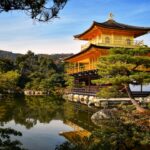
Kinkaku-ji Temple, also known as the Golden Pavilion, is one of Kyoto’s most iconic landmarks. The temple’s main attraction is its stunning golden pavilion, which is reflected in a tranquil pond surrounded by a beautiful garden. The temple’s architecture is a blend of traditional Japanese and Chinese styles, making it a unique and impressive sight to behold. Visitors can take a leisurely stroll around the temple’s grounds, enjoying the peaceful atmosphere and admiring the beautiful scenery.

Fushimi Inari Shrine is another must-visit destination in Kyoto. It is a shrine dedicated to Inari, the god of rice and prosperity, and is famous for its thousands of vermilion torii gates that cover the trails leading up to the shrine. Walking through the torii gates is a surreal experience, with the bright red color creating a dramatic contrast against the lush greenery of the forest. The shrine’s main hall is also worth a visit, with its intricate carvings and decorations.

Arashiyama Bamboo Grove is a serene and picturesque spot in Kyoto. The bamboo forest creates a calming atmosphere, with the sound of rustling bamboo leaves and the gentle breeze creating a peaceful ambiance. Visitors can take a stroll through the forest, enjoying the natural beauty and taking in the fresh air. The surrounding area is also worth exploring, with many quaint shops and restaurants offering local delicacies and souvenirs.

Nijo Castle is a UNESCO World Heritage site and a symbol of Kyoto’s rich history. The castle was built in the 17th century and served as the residence of the Tokugawa shoguns. The castle’s main attraction is its stunning Ninomaru Palace, which features intricate paintings and carvings that depict scenes from Japanese folklore and history. Visitors can take a guided tour of the palace, learning about the castle’s history and admiring its impressive architecture.

Gion District is a charming neighborhood in Kyoto that is famous for its geisha culture. Visitors can take a stroll through the narrow streets, admiring the traditional architecture and enjoying the local cuisine. The district is home to many teahouses and restaurants where visitors can experience a traditional Japanese tea ceremony or enjoy a meal prepared by a skilled chef. It is also a great place to spot geishas, who can be seen walking the streets in their traditional attire.

Kyoto is a city that offers a unique blend of culture, history, and natural beauty. The five destinations we have explored in this article are just a few of the many attractions that the city has to offer. Whether you are interested in history, architecture, or nature, there is something for everyone in Kyoto. So why not plan a trip to this enchanting city and discover its wonders for yourself?

Kinkaku-ji Temple

Kyoto, once the imperial capital of Japan, is a city steeped in rich history and culture. It is home to some of Japan’s most iconic landmarks, including the Kinkaku-ji Temple, Fushimi Inari Shrine, Arashiyama Bamboo Grove, Nijo Castle, and Gion District. In this article, we will take a closer look at each of these landmarks and discover what makes them so unique.

Kinkaku-ji Temple, also known as the Golden Pavilion, is one of Kyoto’s most iconic landmarks. The temple’s top two floors are covered in gold leaf, giving it a breathtaking shimmering effect in the sunlight. The temple is surrounded by beautiful gardens, which are meticulously maintained throughout the year. Visitors can take a leisurely stroll through the gardens and admire the temple’s reflection in the still waters of the pond. The temple’s history dates back to the 14th century when it was built as a retirement villa for a shogun. Today, it is a popular tourist attraction and a UNESCO World Heritage Site.

Fushimi Inari Shrine is another must-visit landmark in Kyoto. The shrine is famous for its thousands of torii gates, which form a tunnel-like pathway up the mountain. Visitors can hike up the mountain, passing through the torii gates, and enjoy breathtaking views of Kyoto from the top. The shrine is dedicated to Inari, the god of rice and prosperity. It is believed that by passing through the torii gates, visitors can receive blessings for success and good fortune.

Arashiyama Bamboo Grove is a serene and peaceful forest located in the outskirts of Kyoto. The forest is made up of towering bamboo trees that sway gently in the wind. Visitors can take a walk through the forest, enjoying the calming sound of rustling bamboo leaves. The forest is especially beautiful during the early morning hours when the sunlight streams through the bamboo trees, creating a magical atmosphere. The forest is also home to several temples and shrines, including the famous Tenryu-ji Temple.

Nijo Castle is a UNESCO World Heritage Site located in central Kyoto. The castle was built in the 17th century and was the residence of the Tokugawa shoguns. The castle’s architecture is a blend of traditional Japanese and European styles, making it a unique landmark in Kyoto. Visitors can take a tour of the castle and admire the beautiful paintings and decorations on the walls and ceilings. The castle’s gardens are also worth exploring, with their intricate designs and carefully manicured trees and shrubs.

Gion District is a traditional district in Kyoto that is famous for its geishas and traditional teahouses. Visitors can take a walk through the district and admire the traditional wooden buildings and lantern-lit streets. The district is especially beautiful during the cherry blossom season when the streets are lined with pink cherry blossom trees. Visitors can also book a traditional tea ceremony or a geisha performance at one of the teahouses in the district.

Kyoto is a city that is full of wonders and surprises. From the shimmering gold of Kinkaku-ji Temple to the tranquil beauty of Arashiyama Bamboo Grove, each landmark in Kyoto has its own unique charm. Visitors to Kyoto can spend days exploring the city’s many temples, shrines, and gardens, immersing themselves in the city’s rich history and culture. A trip to Kyoto is a journey back in time, to a world of ancient traditions and timeless beauty.

Fushimi Inari Shrine

Kyoto, the ancient capital of Japan, is a city that is steeped in history and culture. It is home to some of Japan’s most iconic landmarks, including the Kinkaku-ji Temple, Fushimi Inari Shrine, Arashiyama Bamboo Grove, Nijo Castle, and Gion District. In this article, we will explore the wonders of Fushimi Inari Shrine, one of the most popular tourist attractions in Kyoto.

Fushimi Inari Shrine is a Shinto shrine located at the base of Inari Mountain in southern Kyoto. It is dedicated to Inari, the god of rice, sake, and prosperity. The shrine is famous for its thousands of torii gates that line the hiking trails leading up to the summit of the mountain.

The torii gates are made of wood or stone and are painted bright vermillion. They are inscribed with the names of the individuals or companies that donated them to the shrine. The torii gates create a stunning visual effect, with their vibrant color contrasting against the lush greenery of the forest.

Visitors to the shrine can take a leisurely stroll along the hiking trails and admire the torii gates. The trails are well-maintained and easy to navigate, with signs and maps provided along the way. The hike to the summit of the mountain takes approximately two to three hours, depending on your pace.

At the summit of the mountain, visitors can enjoy panoramic views of Kyoto and the surrounding countryside. There are also several smaller shrines and temples located on the summit, including the Okusha Shrine, which is dedicated to the god of fishing and hunting.

In addition to the hiking trails, Fushimi Inari Shrine also has several other attractions that are worth exploring. The main shrine building, known as the Honden, is located at the base of the mountain and is a beautiful example of traditional Japanese architecture. The shrine also has a museum that showcases the history and culture of Inari worship.

One of the highlights of visiting Fushimi Inari Shrine is participating in the Omokaru-ishi ritual. This ritual involves tossing two stones into a basin and making a wish. If the stones land in the basin, your wish will come true. The ritual is said to be particularly effective for wishes related to business success and prosperity.

Fushimi Inari Shrine is open year-round and is free to enter. It is best to visit the shrine early in the morning or late in the afternoon to avoid the crowds. The shrine is easily accessible by train, with the JR Nara Line and Keihan Main Line both stopping at Inari Station.

Fushimi Inari Shrine is a must-visit destination for anyone traveling to Kyoto. Its stunning torii gates, scenic hiking trails, and rich history and culture make it a fascinating and unforgettable experience. Whether you are a nature lover, a history buff, or simply looking for a unique and spiritual experience, Fushimi Inari Shrine has something to offer everyone.

Arashiyama Bamboo Grove

If you are planning to visit Japan, one place that you should not miss is Kyoto. Known as the ancient capital of Japan, Kyoto is home to many historical sites that reflect the country’s rich cultural heritage. Among the top attractions in Kyoto is the Arashiyama Bamboo Grove.

Located in the western part of Kyoto, the Arashiyama Bamboo Grove is a serene and picturesque forest that features towering bamboo trees that sway gently with the breeze. Walking through the grove provides a calming and peaceful experience that is perfect for nature lovers and those who seek a respite from the hustle and bustle of the city.

The bamboo forest is accessible via a short walk from the Arashiyama train station, and it is free to enter. The best time to visit is during early morning or late afternoon, when the sunlight filters through the bamboo leaves and creates a magical atmosphere. The grove is also relatively less crowded during these times, allowing visitors to enjoy the scenery without the distraction of crowds.

Aside from the bamboo forest, Arashiyama is also home to other attractions that are worth visiting. One of these is the Togetsukyo Bridge, which spans across the Katsura River and offers a panoramic view of the surrounding mountains and landscape. The bridge is especially stunning during the autumn season, when the foliage turns into a vibrant mix of red, orange, and yellow.

Another must-see attraction in Arashiyama is the Tenryu-ji Temple, a UNESCO World Heritage site that was built in the 14th century. The temple features a beautiful garden that is designed to reflect the harmony between nature and man, and it also offers a stunning view of the Arashiyama mountains.

For those who are interested in Japanese history, the Saga-Toriimoto Preserved Street is a must-visit destination. This street is lined with traditional houses that date back to the Meiji period, and it provides a glimpse into the daily life of the people during that time.

Finally, no visit to Arashiyama is complete without trying out the local delicacies. The area is known for its delicious tofu dishes, which are made from locally grown soybeans. Visitors can also try out the Yuba, a type of tofu skin that is often served with soy sauce and wasabi.

Overall, the Arashiyama Bamboo Grove is a must-visit destination for anyone who wants to experience the beauty and tranquility of nature in Japan. With its towering bamboo trees, serene atmosphere, and nearby attractions, Arashiyama provides a unique and unforgettable experience that will leave a lasting impression on visitors.

Nijo Castle

Kyoto is the ancient capital of Japan and is known for its rich cultural heritage, beautiful temples, and stunning natural landscapes. One of the must-visit attractions in Kyoto is the Nijo Castle. Built in 1603, this castle was the residence of the Tokugawa shoguns during their visits to Kyoto.

As you enter the castle, you will be greeted with a beautiful garden that leads to the Ninomaru Palace. The palace is a masterpiece of Japanese architecture and is known for its intricate paintings and carvings. The palace has several rooms, each with its own unique design and purpose. The most impressive room is the Shogun’s audience chamber, which is adorned with gold leaf and beautiful paintings.

The castle also has a beautiful garden that is worth exploring. The garden has several ponds and bridges and is a great place to relax and enjoy the scenery. The garden is especially beautiful during the cherry blossom season when the trees are in full bloom.

One of the unique features of Nijo Castle is the nightingale floors. These floors are designed to make a chirping sound when someone walks on them. The sound was meant to alert the residents of the castle of any intruders. Today, visitors can walk on the floors and experience the unique sound.

Another interesting feature of Nijo Castle is the stone walls that surround the castle. These walls are designed to withstand earthquakes and were built using a technique called “mud wall construction.” The walls are made of layers of mud and stone and are designed to absorb the shock of earthquakes.

If you are interested in Japanese history, then a visit to Nijo Castle is a must. The castle is a great place to learn about the Tokugawa shoguns and their influence on Japanese history. The castle also hosts several events throughout the year, including traditional Japanese performances and tea ceremonies.

Nijo Castle is a must-visit attraction in Kyoto. The castle is a masterpiece of Japanese architecture and is rich in history and culture. The beautiful garden, the nightingale floors, and the stone walls are just a few of the unique features that make Nijo Castle a must-visit destination. So, if you are planning a trip to Kyoto, make sure to add Nijo Castle to your itinerary. You won’t be disappointed.

Gion District

The Gion District of Kyoto is a must-see attraction for anyone visiting Japan’s ancient capital. This area is known for its traditional architecture, geisha culture, and beautiful cherry blossom trees. It is a place where visitors can immerse themselves in the rich history and culture of Japan.

Walking through the streets of Gion, visitors will see many traditional wooden houses and shops. Some of these houses are over 300 years old and are still inhabited by geisha and maiko (apprentice geisha). The district is famous for its geisha culture, and visitors can see these skilled entertainers walking around in their traditional attire.

One of the most popular things to do in Gion is to attend a tea ceremony. This is an ancient Japanese tradition that involves drinking tea in a formal setting. Visitors can experience a traditional tea ceremony at one of the many tea houses in Gion.

Another must-see attraction in Gion is the Yasaka Shrine. This shrine is dedicated to the god of prosperity and good fortune and is one of the most important shrines in Kyoto. The shrine is famous for its lantern festival, which takes place every summer.

For those interested in history, the Museum of Kyoto is a great place to visit. The museum has a collection of over 12,000 artifacts that tell the story of Kyoto’s rich history. Visitors can learn about the city’s art, culture, and traditions.

In the evening, visitors can stroll through the streets of Gion and see the geisha and maiko going to their appointments. The district is also known for its many restaurants that serve traditional Japanese cuisine. Visitors can try dishes like sushi, tempura, and ramen.

Overall, the Gion District is a unique and fascinating place to visit in Kyoto. It is a place where visitors can experience the traditional culture and history of Japan. Whether it’s attending a tea ceremony, visiting the Yasaka Shrine, or simply walking through the streets, there is something for everyone in Gion.

  • Print
  • +-
    Font Size