Experience solemn reflection at Hiroshima Peace Memorial Park: honoring the past, embracing peace, and shaping a hopeful future.
“Experience solemn reflection at Hiroshima Peace Memorial Park: honoring the past, embracing peace, and shaping a hopeful future.”
Exploring Hiroshima Peace Memorial Park: A Journey Through History
As traveling to new destinations unveils a plethora of experiences, one cannot help but be captivated by the rich history and impactful stories that lie within each place. In Japan, a country known for its historic temples, stunning landscapes, and pop culture, there is a location that stands out as a somber reminder of the past while also serving as a symbol of hope for the future. Hiroshima Peace Memorial Park is a place where visitors from around the world can reflect on the devastating effects of the atomic bomb, as well as the importance of peace and the resilience of the human spirit.
Located in the heart of Hiroshima, a bustling city in western Japan, Hiroshima Peace Memorial Park stretches over 120,000 square meters of land that was once the city’s busiest commercial and residential district. However, on August 6, 1945, the area was completely obliterated when the United States dropped an atomic bomb during World War II, killing an estimated 140,000 people and destroying nearly everything within a two-kilometer radius.
In the years following the bombing, the city of Hiroshima decided to dedicate the land as a park and memorial, not only to honor the lives that were lost but also to serve as a constant reminder of the horrors of nuclear weapons and the importance of world peace. Today, the park is a serene and beautiful space, filled with lush greenery, walking paths, and numerous monuments dedicated to the victims and survivors of the atomic bomb.
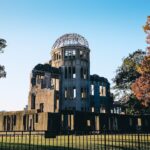
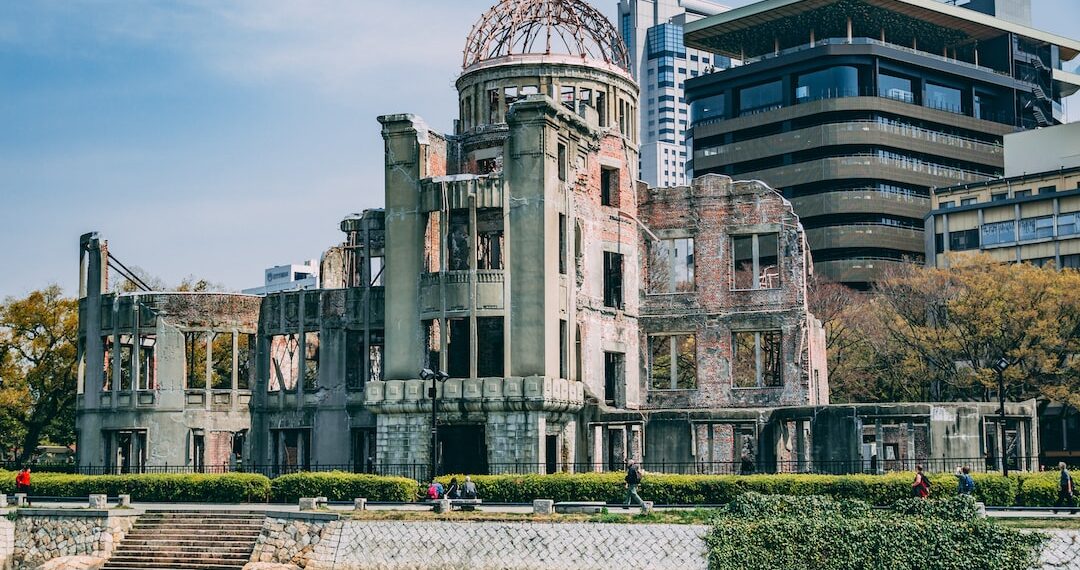
Perhaps the most iconic and striking feature of Hiroshima Peace Memorial Park is the A-Bomb Dome, also known as the Hiroshima Peace Memorial. Before the bombing, this building was the Hiroshima Prefectural Industrial Promotion Hall, a bustling center for the city’s cultural and economic activities. When the bomb detonated, the building was nearly destroyed, with only its steel frame and parts of its walls remaining. However, despite its damaged state, the A-Bomb Dome has been preserved as a symbol of the devastation caused by nuclear weapons.
As visitors approach the A-Bomb Dome, they are met with a sobering sight – a skeletal structure standing amidst the beautiful park, serving as a stark reminder of the immense power and destruction of the atomic bomb. The ruins of the building, which have been carefully maintained and protected since the end of World War II, offer a glimpse into the past, allowing visitors to imagine the catastrophic event and its immediate aftermath.
Beyond the haunting presence of the A-Bomb Dome, Hiroshima Peace Memorial Park is home to several other significant monuments and memorials that tell the story of the atomic bomb and its lasting impact on the people of Hiroshima. One such monument is the Children’s Peace Monument, a statue dedicated to the thousands of children who lost their lives due to the bombing and its after-effects. The monument, which features a young girl holding a folded paper crane above her head, has become a symbol of hope and a call for peace. Inspired by the story of Sadako Sasaki, a young girl who died from leukemia caused by radiation exposure, the monument is surrounded by glass cases filled with millions of colorful paper cranes sent from people all over the world in a gesture of solidarity and hope for a peaceful future.
Another significant monument within the park is the Peace Flame, which has been burning continuously since it was lit in 1964. The flame serves as both a memorial to the victims of the atomic bomb and a symbol of the ongoing struggle for a world free of nuclear weapons. The flame will continue to burn until all nuclear weapons on Earth are destroyed and the threat of nuclear war is eliminated.
Additionally, the park is home to the Hiroshima Peace Memorial Museum, which offers an in-depth look at the events leading up to the bombing, the devastation it caused, and the recovery and rebuilding efforts that followed. Through a combination of exhibits, photographs, videos, and personal testimonials from survivors, the museum provides a comprehensive and deeply moving account of the atomic bomb’s impact on Hiroshima and its people. As visitors make their way through the museum, they are confronted with the harsh realities of nuclear warfare and the immense suffering it causes.
While the park and its monuments serve as a direct reminder of the horrors of the atomic bomb, they also provide a sense of hope and a testament to the resilience of the human spirit. Since the bombing, Hiroshima has transformed itself into a thriving, modern city that serves as a symbol of peace and recovery. The park itself has become a hub for peace-related events and activities, including the annual Hiroshima Peace Memorial Ceremony, which is held on August 6 to remember the victims and renew the commitment to world peace.
As visitors wander through Hiroshima Peace Memorial Park, they are enveloped in an atmosphere of reflection and contemplation. The park encourages a deep understanding of the tragic events that occurred in Hiroshima and their ongoing impact, both locally and globally. At the same time, it fosters a sense of hope and a belief in the power of humanity to overcome adversity and work towards a more peaceful world.
In conclusion, Hiroshima Peace Memorial Park is an essential destination for anyone seeking to understand the history and impact of the atomic bomb. The park’s numerous monuments, memorials, and the Hiroshima Peace Memorial Museum offer a comprehensive and poignant look at the devastation of nuclear warfare and the importance of promoting peace. As visitors leave the park, they carry with them a renewed sense of empathy, awareness, and a commitment to ensuring that the horrors of Hiroshima are never repeated.