Why go
Gonarezhou National Park sits in the far south-east corner of Zimbabwe, in Masvingo Province against the Mozambique border, and it is the country’s second-largest park at about 5,053 km²1. It was first set aside as a game reserve in 1935 and proclaimed a national park in 1975, but the bigger shift came more recently: since 1 March 20172 it has been co-managed by the Gonarezhou Conservation Trust, a partnership between the Zimbabwe Parks and Wildlife Management Authority and the Frankfurt Zoological Society, which has funded a sharp increase in anti-poaching patrols and infrastructure since taking on the park.
The name means “place of elephants” in Shona, and the park backs that up with one of the country’s largest elephant populations, now put at over 11,500 animals. It also forms part of the Great Limpopo Transfrontier Conservation Area2, a cross-border network joining Gonarezhou with South Africa’s Kruger National Park and Mozambique’s Limpopo National Park, so the wildlife here moves across three countries rather than being fenced into one. Go for genuine lowveld wilderness with far fewer vehicles than Hwange, built around a landscape rather than a checklist of sightings.
What you will see
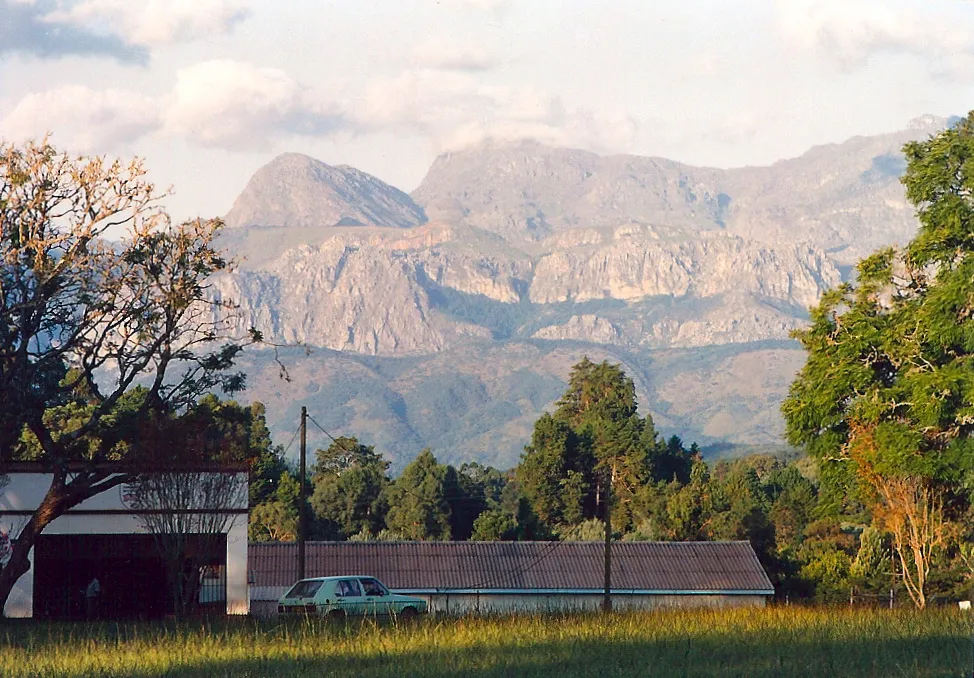
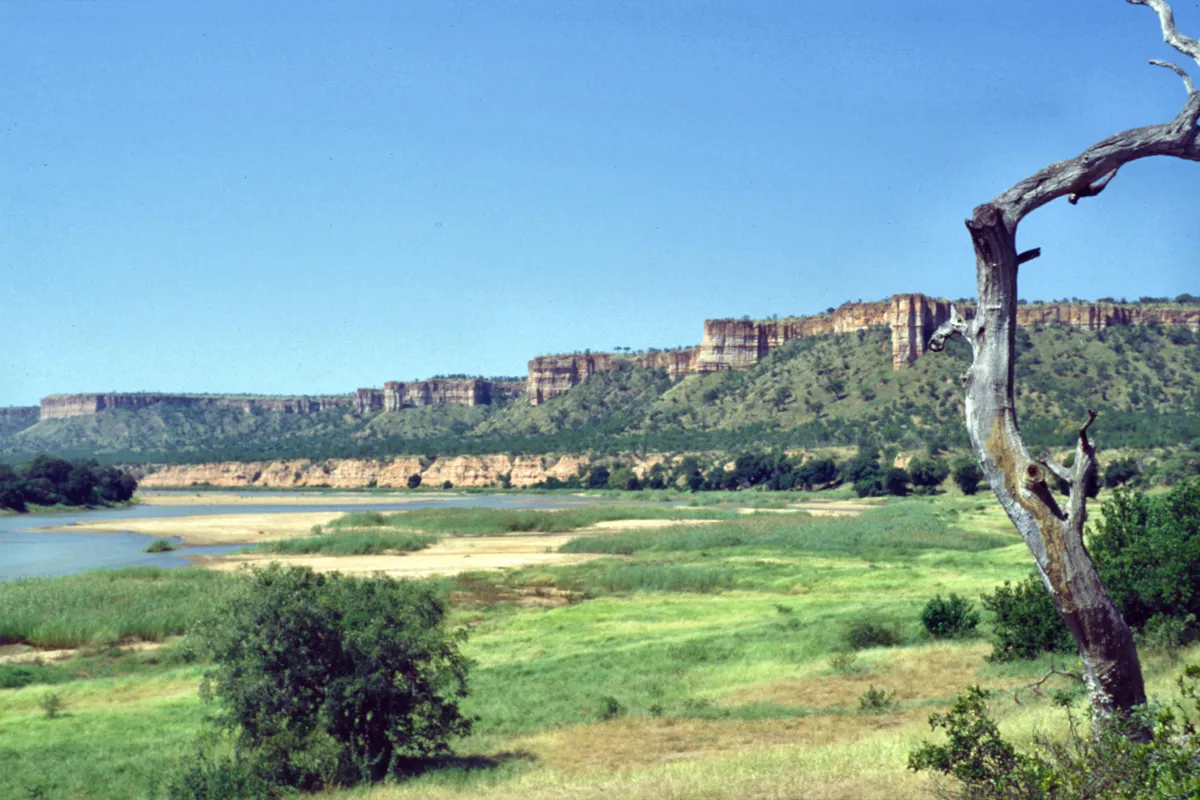
The park’s best-known feature is the Chilojo Cliffs, a red sandstone escarpment that rises above the Runde River valley and changes colour through the day as the light moves across it; most visitors treat a sundowner stop below the cliffs as the trip’s highlight. The Runde and its tributary the Save cut through the park’s sandstone and basalt country, a sharp contrast with the park’s rockier high ground.
Wildlife here includes all of Africa’s “big five” — elephant, buffalo, rhino, lion and leopard — alongside the elephant herds the park is named for and a bird list running to 450 species2. Game viewing rewards patience more than Zimbabwe’s more developed parks: Gonarezhou took decades to recover from poaching and the disruption of the 1970s liberation war, and the Trust’s management since 2017 has been rebuilding both animal numbers and visitor infrastructure rather than starting from an already-polished base. That makes it a park for travellers who want remoteness and a real sense of recovery in progress, not a guaranteed sighting list.
Visiting: hours, admission, booking
The facts box above shows the current conservation fee. ZimParks and the Gonarezhou Conservation Trust price day entry by residency, with a separate vehicle fee on top of the per-person rate; check the current rate schedule on the Gonarezhou Conservation Trust2 or ZimParks site before you go, since fees are revised periodically and are not fully confirmed against a readable copy of the latest rate sheet at the time of writing. Pay at the park gate; there is no indication of advance online booking for day entry.
Accommodation inside the park ranges from ZimParks-run camps to lodges run under concession by private operators, and self-catering options for travellers with their own gear; booking ahead matters here more than the gate fee suggests, since the park’s camps are limited compared with Zimbabwe’s more visited reserves.
Getting there
Gonarezhou lies in the far south-east of the country, reached from Masvingo or from the sugar town of Chiredzi to its north. There is no scheduled public transport into the park, so a hire car, organised transfer or safari operator is the practical way in; Masvingo is the nearest city with reasonable road and air links for travellers approaching from the rest of the country.
Nearby
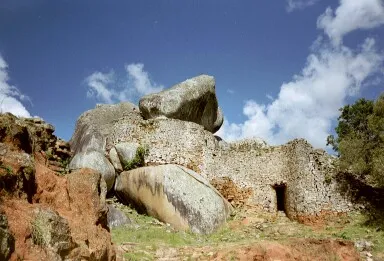
Gonarezhou is the remote end of a loop that can also take in Great Zimbabwe near Masvingo, pairing the country’s best-known ruins with its wildest lowveld park on the same overland route south. Travellers continuing across the border can connect directly into the Great Limpopo Transfrontier Conservation Area’s other two parks, Kruger in South Africa and Limpopo National Park in Mozambique, without leaving the same protected landscape.
_Tg7jU.webp)