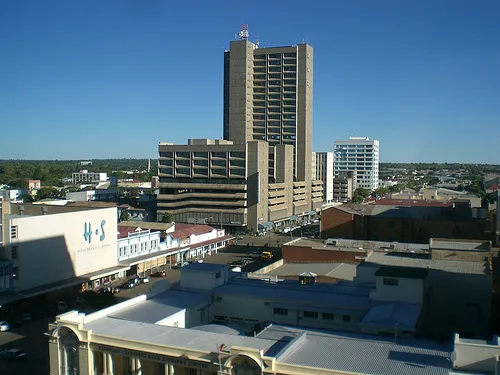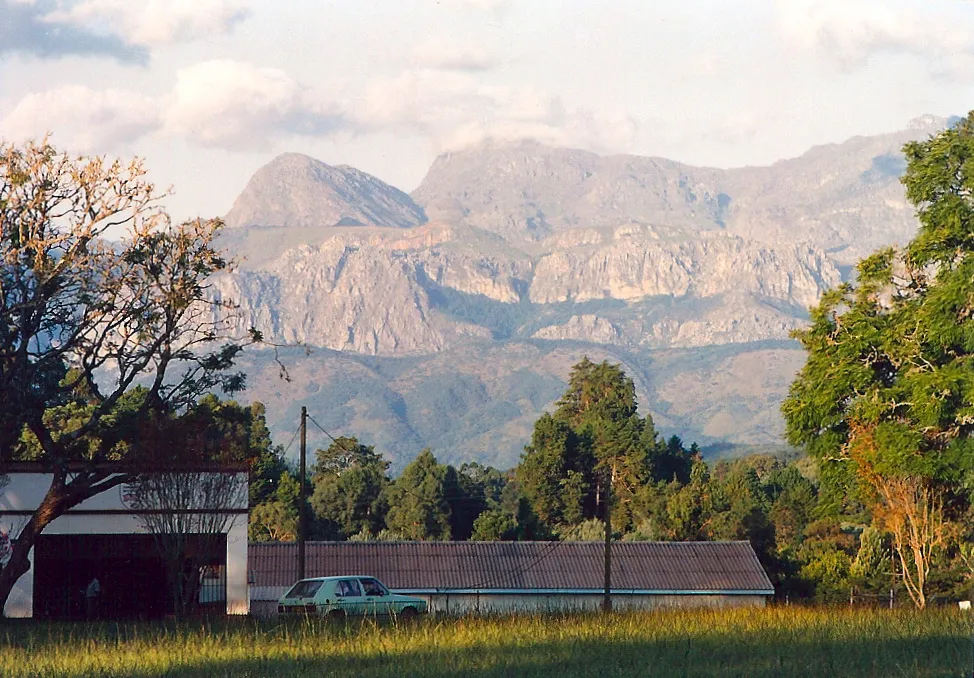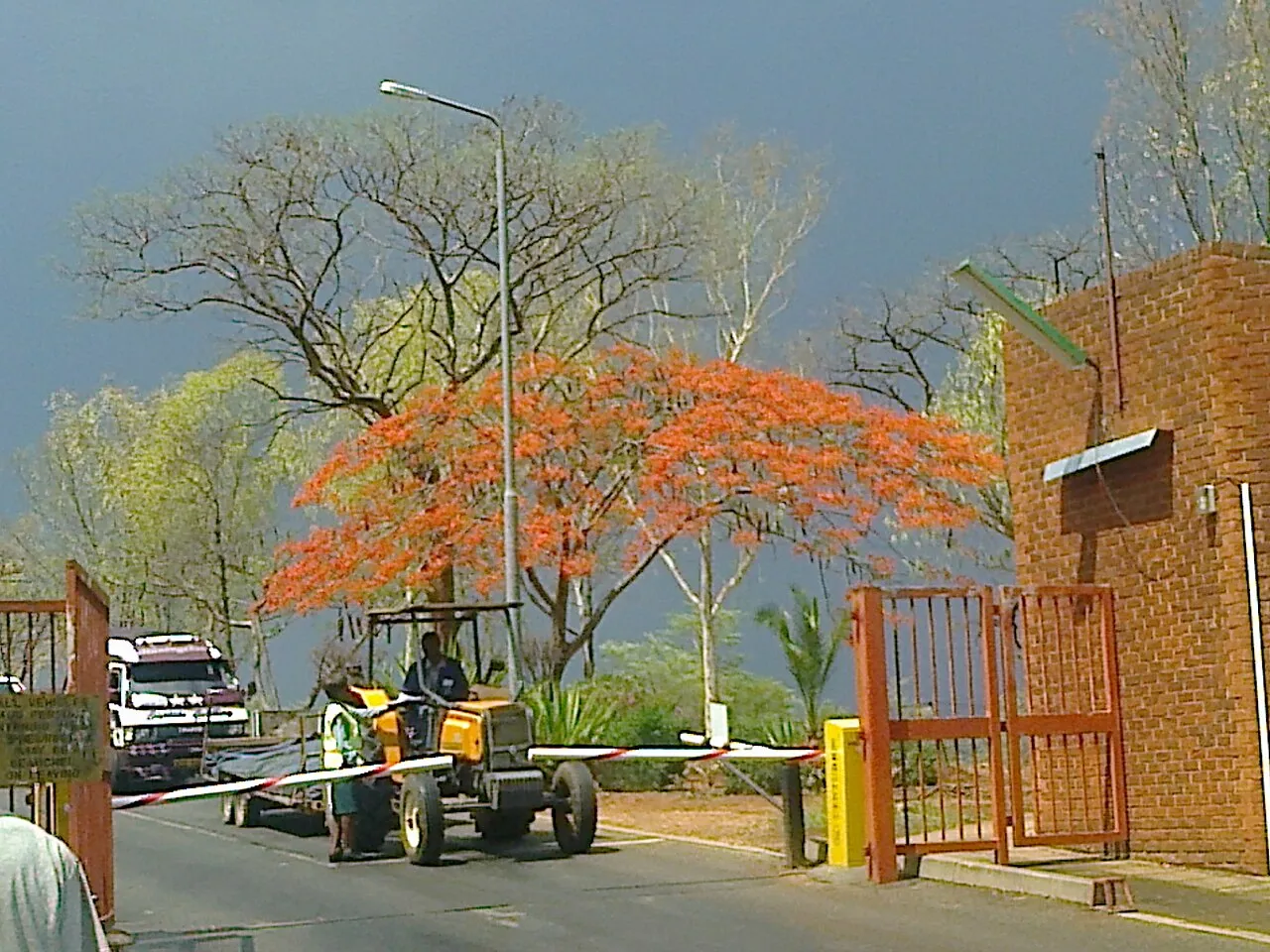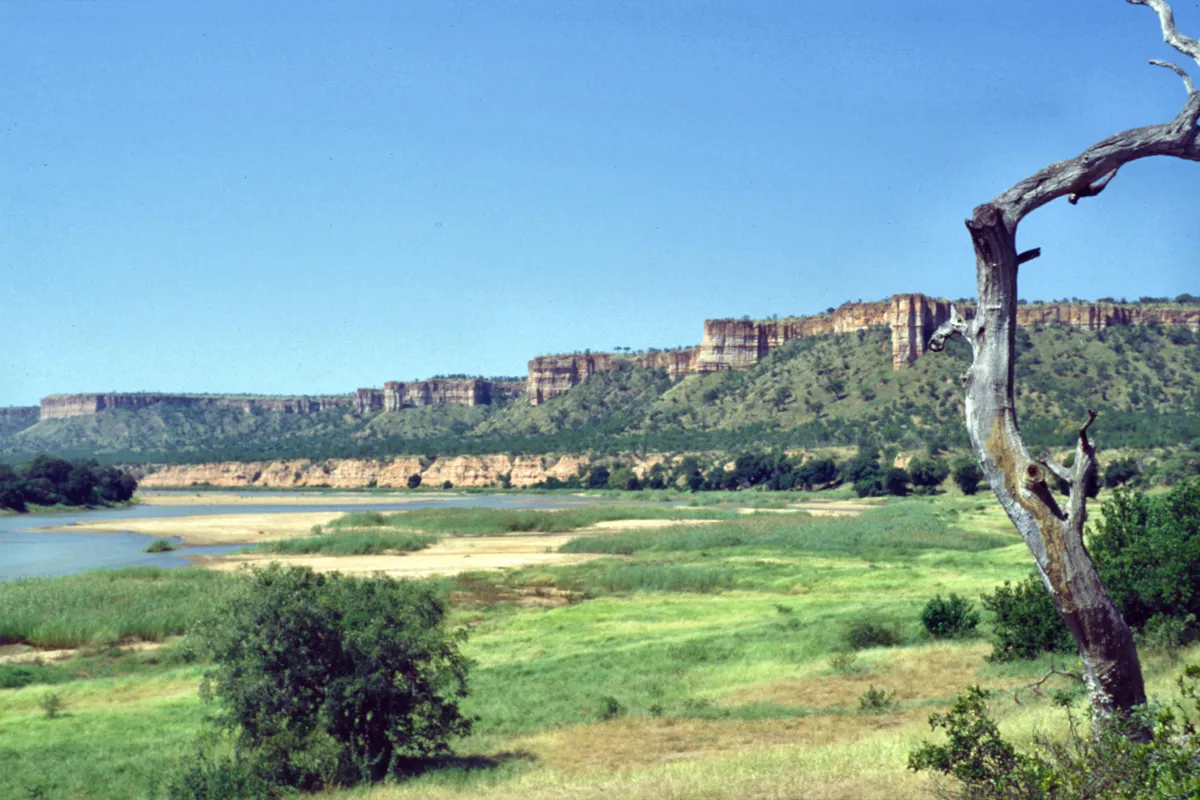
Harare sits on the Highveld plateau at an elevation of 1,483 metres, which keeps its climate milder than Zimbabwe’s lower-lying regions, and is home to 1,491,754 people2 according to the 2022 census, the largest city in the country by some margin. The Pioneer Column, a force organised by Cecil Rhodes, founded the settlement on 12 September 1890 and named it Fort Salisbury; it kept the name Salisbury until 18 April 19821, when it was renamed Harare on the second anniversary of Zimbabwean independence. For most visitors today it is a stop for logistics and business rather than a sightseeing destination in itself, since most international flights land here, but a day or two in the city gives you a national gallery, a landmark market and a run of day trips into the surrounding countryside.
Getting oriented
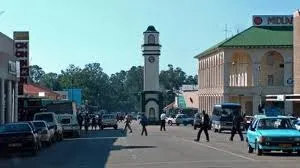
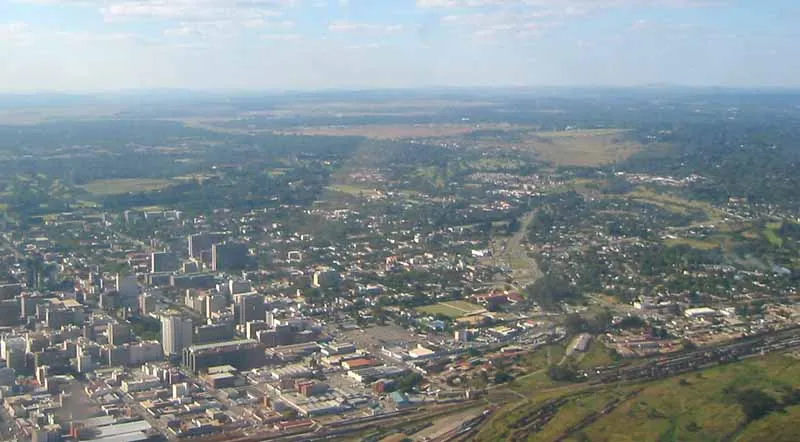
The central business district keeps the wide, grid-pattern streets of its colonial layout, with government offices and cultural institutions such as the National Gallery concentrated there. North of the centre, the so-called “dales”, among them Avondale, Borrowdale and Greendale, are the city’s most affluent suburbs, while Arcadia, Newlands and Arlington lie to the east, Arlington closest to the airport. South of the centre, Highfield, established in 19301, and Mbare are higher-density residential areas that also hold most of the city’s industry. As in Bulawayo and Gweru, the useful geography for a short stay is simple: the centre and the northern suburbs are where hotels, restaurants and most sights sit, while the southern townships are working neighbourhoods rather than places to base yourself.
Highlights
The National Gallery of Zimbabwe, on Julius Nyerere Way in the city centre, was opened by Queen Elizabeth The Queen Mother on 16 July 19573 and remains the country’s main showcase for Shona stone sculpture alongside paintings, drawings and installations by Zimbabwean artists; it also runs branches in Bulawayo and Mutare. It is the single sight in Harare most worth setting aside a couple of hours for.
Mbare Musika, in the Mbare suburb south of the centre, is the largest farm produce market in Zimbabwe4, with vendors travelling in from as far as Mutare, Masvingo and Kariba to sell each morning. It is as much transport hub as market, since most long-distance buses out of the city also leave from here, and worth a visit for the scale and noise of it rather than for shopping.
Harare Gardens, in the heart of the CBD, is the city’s downtown green space, with paths, a pool and an outdoor theatre that give the centre a break from its office blocks and traffic.
Getting around
Robert Gabriel Mugabe International Airport, about 12 km southeast of the city centre5, handles the bulk of the country’s international arrivals, and most hotels are a short taxi ride from it. Within the city, ride-hailing apps and shared taxis cover the centre and northern suburbs, while minibuses (“kombis”) run frequently and cheaply to the outer suburbs and are the way most Harare residents get around day to day. The getting-around guide has fares and road conditions for travel onward to Bulawayo, Victoria Falls and the rest of the country.
Where to stay by area
The city centre puts you within walking distance of the National Gallery and the main shops and offices, and is the practical choice if you are in Harare for a short business stop or an onward flight. The northern suburbs, Avondale, Borrowdale and the areas around them, are quieter and greener, with more of the city’s better restaurants and guesthouses, at the cost of needing a taxi or kombi into the centre. Arlington and the areas near the airport suit a single overnight stop before an early flight.
Day trips
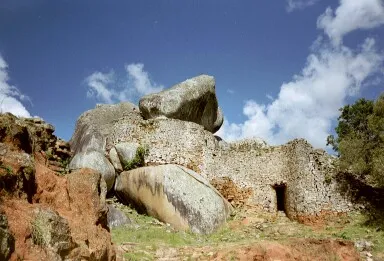
Lake Chivero, southwest of the city, has supplied Harare’s water since it opened in 1952 and is now protected as the Lake Chivero Recreational Park, with fishing, boating and a resident population of game within the park grounds; the lake was declared a Ramsar wetland in 20136 for its ecological value. The Epworth Balancing Rocks, about 13 km southeast of the centre7 on Chiremba Road, are a cluster of naturally stacked granite boulders well known enough to have featured on Zimbabwean banknotes, and make an easy half-day trip. Further out, the granite hill of Domboshava, about 27 km north of Harare, holds San rock paintings that date back almost 6,000 years8 inside a cave below the summit. For a longer trip, Chinhoyi and its caves, or the road on to Bulawayo, are covered in the Zimbabwe overview.
_Tg7jU.webp)