_Tg7jU.webp)
Why go
Antelope Park is a private game reserve south-west of Gweru, on the road toward Bulawayo, built around a lion-breeding and rehabilitation programme run by the African Lion Environmental Research Trust (ALERT). It has operated since 1987 and was named Zimbabwe’s leading private game reserve at the World Travel Awards for 2016, 2017 and 20181. Most visitors come for the lions, but the park is really a multi-activity lodge built around a lake, with horses, elephants and game drives alongside the cats.
It works equally well as a half-day stop for anyone breaking the long Harare–Bulawayo drive at Gweru, or as an overnight or multi-night base in its own right if the lion programme and the other activities interest you enough to linger.
What you will see
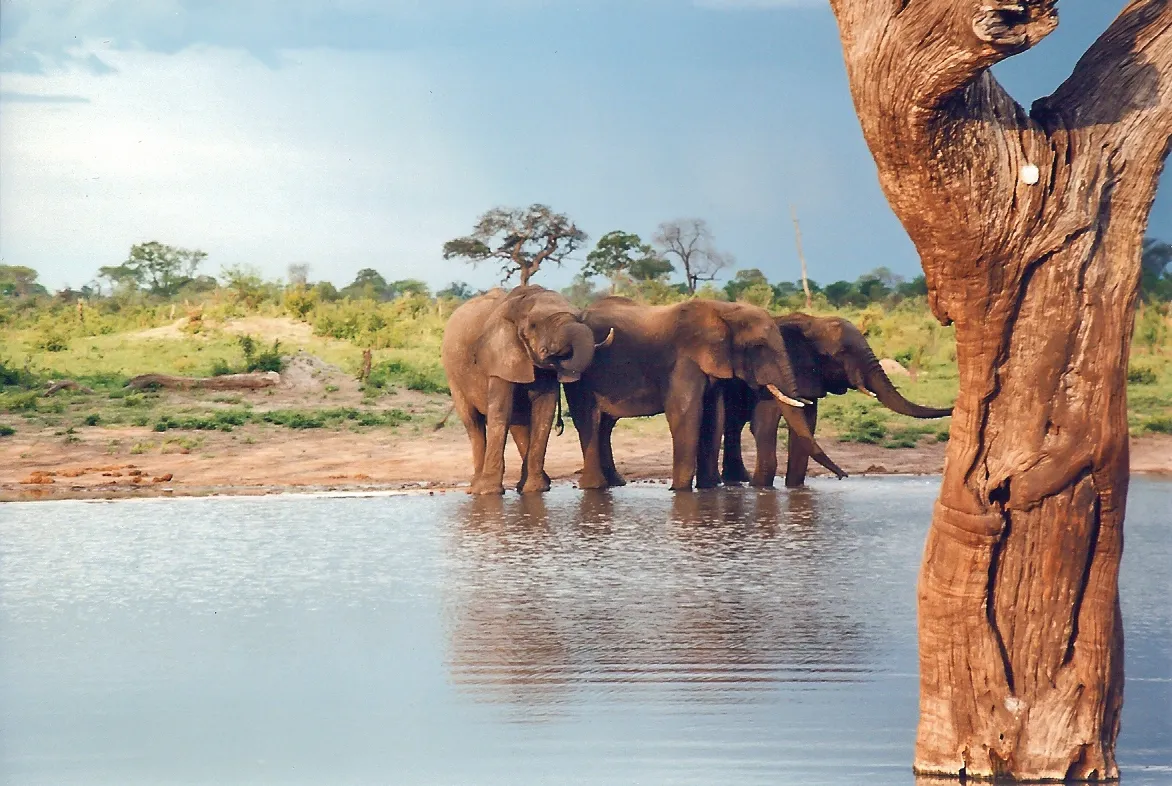
The reserve covers over 3,000 acres (1,200 hectares) of bush around an artificial lake, and holds more than 20 mammal species — zebra, wildebeest, giraffe, kudu, impala and hartebeest among them — plus over 190 recorded bird species1, from vultures and rollers to sunbirds and hornbills, reachable on night game drives and guided bush walks.
The lions are the park’s best-known feature and its most debated one. ALERT, the trust behind the breeding and release programme, was founded in 2005 with a stated four-stage plan ending in wild release. In 20132, Africa Geographic examined figures supplied by ALERT and reported a build-up of cubs at the early, revenue-generating stage, a significant death rate in the middle stages, and no lion released into the wild by the programme up to that point — a pattern the article called at odds with the conservation case made to visitors. Today the park’s lion activities are cub viewing, feeding and night encounters that let you watch natural hunting behaviour, rather than the guided walks with lions that once defined it and that drew much of that criticism; weigh the conservation claims yourself before booking, and ask what stage of the programme any lion you see is at.
Away from the lions, the park runs elephant rides and training sessions, daily horse rides and riding lessons (including rides by full moon), fishing for bass, bream and catfish, and canoe rides with sunset cruises on the lake. Accommodation ranges from river lodges and island lodges to river tents, standard rooms with shared facilities, and camping, so the park works across a wide range of budgets, and it caters for group events, with wedding and conference facilities for 100 to 600 guests1.
Visiting: hours, admission, booking
Opening hours, admission fees and activity bookings were not available from the park’s own site at the time of writing; its reservations and marketing desks can be reached through the contact details on antelopepark.co.zw3, and it is worth confirming current prices and the lion programme’s latest stage directly before you travel, given the questions raised about the project above. If you plan to ride, go on a game drive or join any guided wildlife activity, the UK government’s Zimbabwe travel advice recommends checking that the operator is licensed with the Safari Operators Association of Zimbabwe before booking.
Getting there
Antelope Park sits off the main road between Gweru and Bulawayo, reachable by car from either city; Gweru itself is about 275 km1 south-west of Harare on the A5 highway. There is no scheduled public transport to the park, so a hire car, taxi arranged in Gweru, or a transfer booked through the park is the practical way in. Gweru has no scheduled commercial airport, so the nearest realistic option by air is to fly into Harare or Bulawayo and continue by road.
Nearby
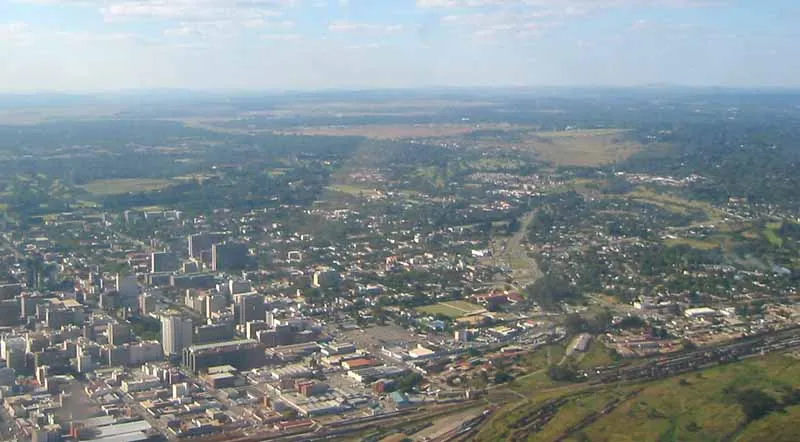
Gweru itself is a small, walkable provincial capital built around the Boggies clock tower, worth a stop for a meal or an overnight before or after the park, though it has little sightseeing of its own. Travellers continuing the Harare–Bulawayo road trip can pair a stop here with Matobo National Park or Khami Ruins near Bulawayo, both a further drive south-west but natural next stops on the same route.