Why go
The National Gallery of Zimbabwe, on Julius Nyerere Way in the city centre, opened on 16 July 19571 as the country’s national art institution and has been its main showcase for Zimbabwean art ever since. It holds the country’s best-known collection of Shona stone sculpture, the carved-stone tradition that put Zimbabwean art on the international map from the 1960s onward, alongside paintings and installations by Zimbabwean artists. For anyone spending a day or two in Harare before or after the rest of a Zimbabwe trip, it is the one indoor sight worth building time around.
What you will see
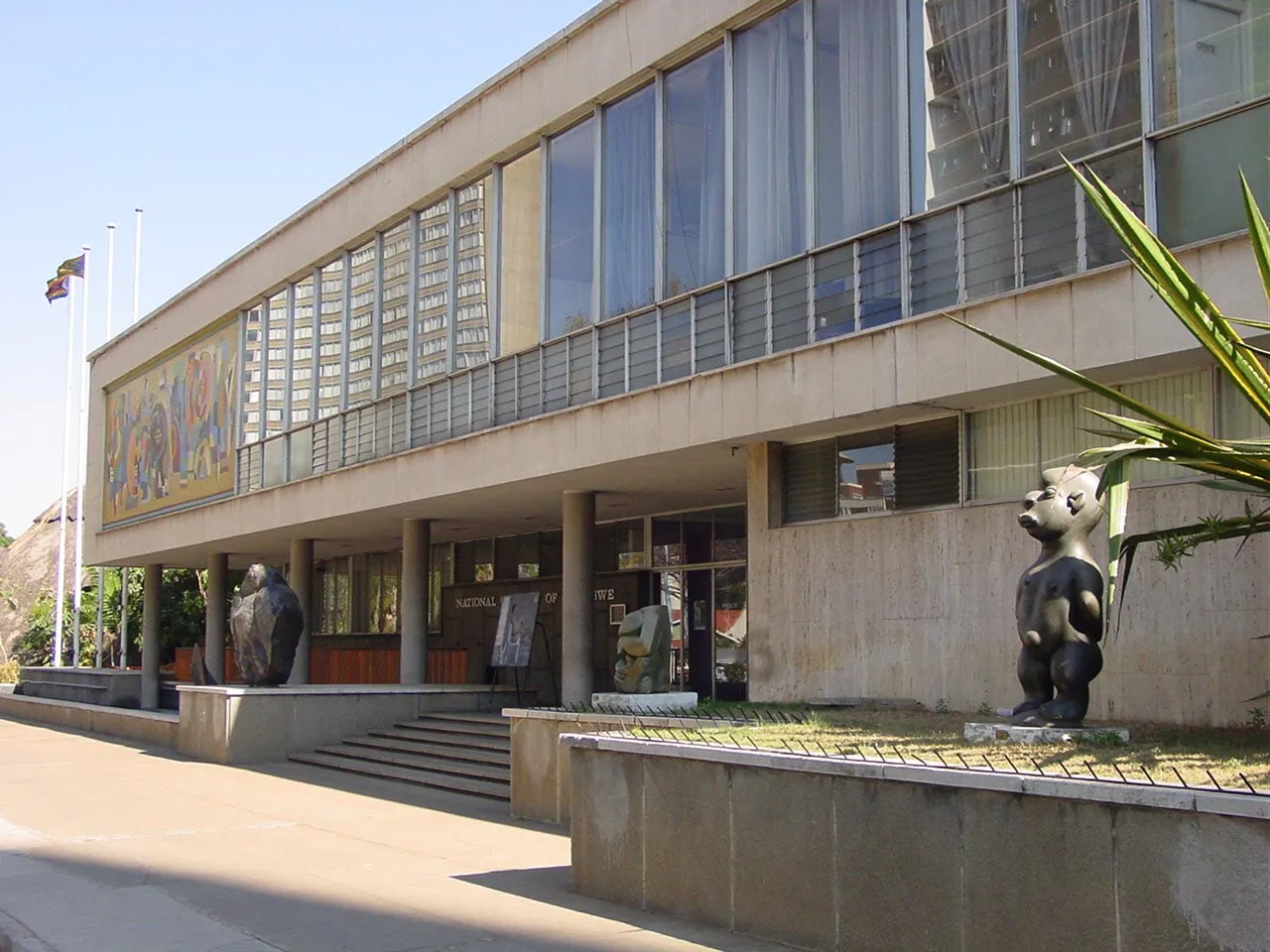
The permanent collection spans Shona stone sculpture, paintings and installations by Zimbabwean artists, and the galleries typically mix a long-running display of the sculpture collection with rotating exhibitions of contemporary and historical work. Outdoor statuary stands in the grounds around the building, visible even without going inside. The gallery is part of a single national system with regional branches in Bulawayo1, opened in 1970, and Mutare, opened in 1999, both under the same management as the Harare gallery rather than separate institutions.
Visiting: hours, admission, booking
The facts box on this page shows current opening hours. Admission is tiered by residency and age, with separate rates for Zimbabwean residents, other African residents and international visitors; the facts box shows the standard international adult price. Group and school tours get a reduced rate with advance booking. Check the gallery’s own site2 for the full tier breakdown and any changes before you go, since the gallery states it closes on public holidays.
Getting there
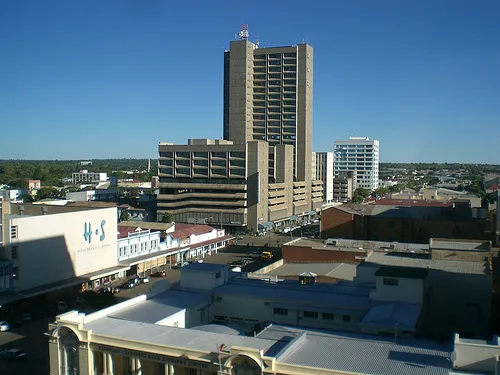
The gallery sits in the city centre on Julius Nyerere Way, close enough to the hotels and offices of downtown Harare to reach on foot from most central accommodation; otherwise a short taxi or ride-hail trip covers it from anywhere else in the city. The getting-around guide has fares and road conditions for trips elsewhere in Harare and on to the rest of the country.
Nearby
Harare Gardens, the city centre’s main green space, is an easy walk from the gallery and makes a straightforward stop either side of a visit. The Harare city guide covers both in its highlights section, along with Mbare Musika market and day trips to Lake Chivero, the Epworth Balancing Rocks and Domboshava.
_Tg7jU.webp)