If you’re looking for a destination that combines the natural beauty of Thailand with its rich history, look no further than Kanchanaburi. This province in western Thailand is home to stunning waterfalls, lush forests, and the infamous Death Railway, built by Allied prisoners of war during World War II.
One of the most popular attractions in Kanchanaburi is the Erawan Waterfall. This seven-tiered waterfall is named after the three-headed elephant in Hindu mythology and is said to resemble the shape of the elephant’s head. The water is crystal clear and perfect for swimming, and visitors can hike to each level of the waterfall to take in the stunning views.
Another must-see natural wonder in Kanchanaburi is the Sai Yok Noi Waterfall. This waterfall is located in the Sai Yok National Park and is surrounded by lush greenery and towering cliffs. Visitors can swim in the cool, refreshing water or take a dip in the natural hot springs nearby.
But it’s not just the natural beauty of Kanchanaburi that draws visitors. The province is also home to a number of historical sites related to World War II. The most well-known of these is the Death Railway, which was built by Allied prisoners of war and Asian forced laborers. The railway spans 415 kilometers from Thailand to Myanmar and was built to transport supplies to the Japanese army during the war.
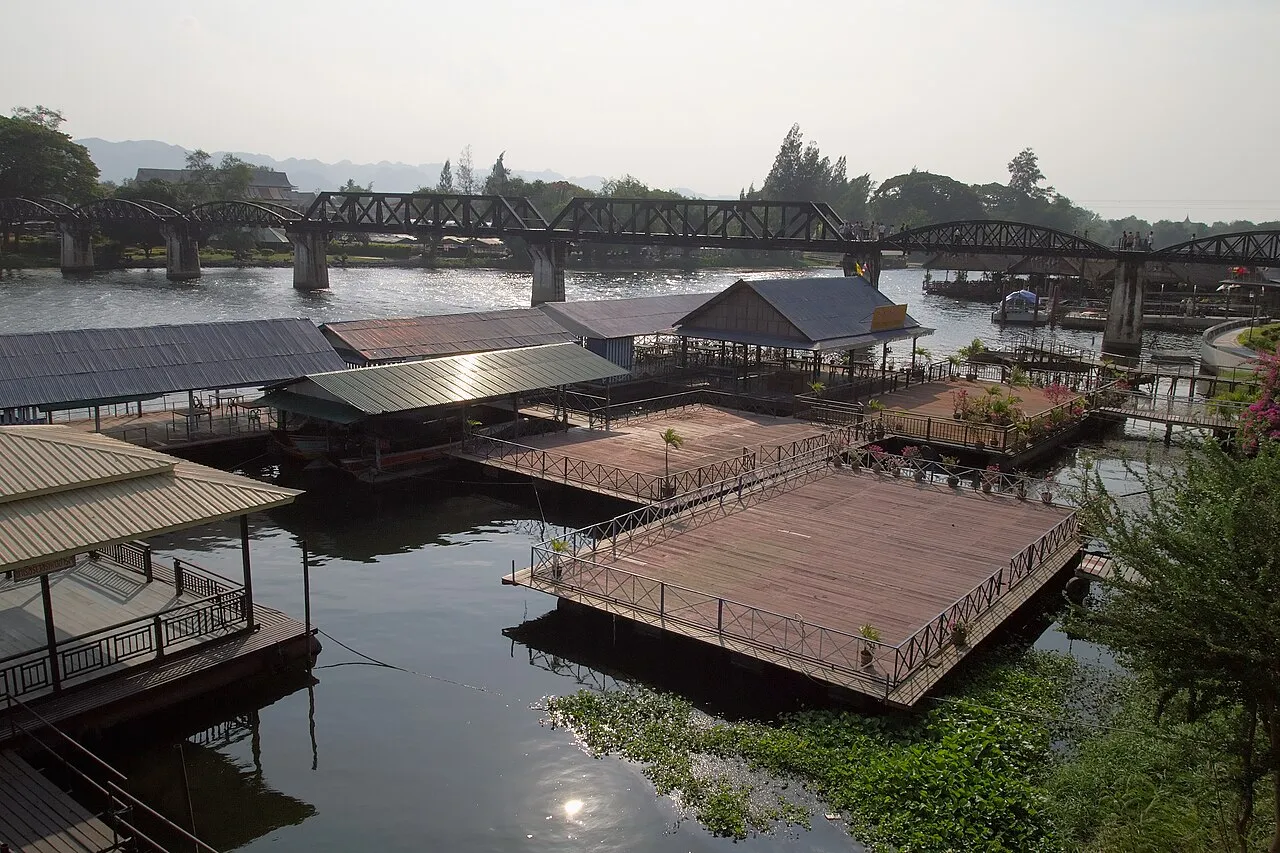
Visitors can take a ride on the Death Railway and see the infamous Bridge over the River Kwai, which was immortalized in the film of the same name. The bridge is a poignant reminder of the suffering endured by the prisoners of war who worked on the railway, many of whom died from disease, starvation, and brutality.
Another important historical site in Kanchanaburi is the Hellfire Pass Memorial Museum. The museum is dedicated to the Allied prisoners of war who worked on the railway and features exhibits that tell their stories. Visitors can also hike the Hellfire Pass Trail, which follows the path of the railway through the jungle and includes a section of the railway that has been preserved.
In addition to its natural and historical attractions, Kanchanaburi is also known for its delicious food. The province is famous for its freshwater fish, which is often grilled or served in a spicy curry. Visitors can also try the local specialty, khao kluk kapi, which is a rice dish mixed with shrimp paste, chili, and other spices.
If you’re planning a trip to Kanchanaburi, be sure to visit during the dry season, which runs from November to April. This is the best time to see the waterfalls and enjoy the outdoor activities that the province has to offer.
Kanchanaburi is a destination that offers something for everyone. Whether you’re interested in history, nature, or food, this province in western Thailand has it all. From the stunning waterfalls to the poignant reminders of World War II, Kanchanaburi is a place that will leave a lasting impression on visitors.
Bridge on the River Kwai
Kanchanaburi, a province located in western Thailand, is a must-visit destination for history and nature enthusiasts. This province is home to the infamous Bridge on the River Kwai, which was built during World War II by prisoners of war. The bridge, which spans over the Kwai Yai River, is a significant historical landmark and a testament to the resilience of the human spirit.
The Bridge on the River Kwai is a popular tourist attraction in Kanchanaburi, with visitors from all over the world coming to witness its beauty and learn about its history. The bridge is a symbol of the atrocities committed during the war, and it serves as a reminder of the sacrifices made by the prisoners of war who were forced to build it. The bridge was featured in the 1957 movie of the same name, which tells the story of the prisoners of war who were forced to build the bridge and the Allied forces who worked to destroy it.
Aside from the historical significance of the Bridge on the River Kwai, Kanchanaburi is also known for its natural wonders. The province is home to several national parks, including Erawan National Park, which is famous for its seven-tiered waterfall. The waterfall is a popular spot for swimming and hiking, and visitors can explore the park’s lush forests, caves, and limestone cliffs. The park is also home to several species of wildlife, including elephants, gibbons, and hornbills.
Another popular attraction in Kanchanaburi is the Hellfire Pass Memorial Museum and Walking Trail. The museum and trail are dedicated to the prisoners of war who worked on the Thai-Burma Railway, also known as the Death Railway. The trail is a 4-kilometer hike that takes visitors through the jungle to the site of the Hellfire Pass cutting, where prisoners of war were forced to work in brutal conditions. The museum provides a comprehensive history of the construction of the railway and the atrocities committed during its construction.
For those interested in learning more about the history of Kanchanaburi, the JEATH War Museum is a must-visit. The museum, which stands for Japan, England, Australia, America, Thailand, and Holland, is located near the Bridge on the River Kwai and features exhibits that showcase the conditions in which prisoners of war were forced to live and work. The museum also houses a replica of the bamboo huts that the prisoners of war lived in and displays artifacts and photographs from the war.
In addition to its historical and natural attractions, Kanchanaburi is also known for its floating markets, where visitors can experience the local culture and sample traditional Thai cuisine. The markets, which are located on the river, offer a variety of food, souvenirs, and handicrafts. Visitors can take a boat ride along the river and explore the markets at their leisure.
Kanchanaburi is a destination that offers something for everyone. From its historical landmarks to its natural wonders, visitors will be captivated by the province’s beauty and rich history. Whether you’re interested in learning about the atrocities committed during World War II or exploring the province’s national parks and waterfalls, Kanchanaburi is a destination that should not be missed.
Erawan National Park
Kanchanaburi, a province located in western Thailand, is known for its rich history and natural beauty. The province was the site of many significant events during World War II, and today, it is home to a number of historical landmarks and museums that pay tribute to the past.
One of the most popular destinations in Kanchanaburi is the Erawan National Park. This park is home to the Erawan Waterfall, a beautiful seven-tiered waterfall that is one of the most picturesque natural wonders in Thailand.
The Erawan Waterfall is named after the three-headed elephant in Hindu mythology, and each tier of the waterfall is said to resemble one of the elephant’s heads. Visitors to the park can hike to the top of the waterfall, where they will be rewarded with breathtaking views of the surrounding jungle and mountains.
In addition to the Erawan Waterfall, the park is also home to a number of other natural wonders, including hot springs, caves, and hiking trails. Visitors can spend hours exploring the park and taking in the stunning scenery.
But the Erawan National Park is not just a place of natural beauty. During World War II, the park was the site of one of the most significant events in Thailand’s history. The Japanese army used prisoners of war and forced laborers to build the infamous Death Railway, which ran through the park and connected Thailand to Burma.
Today, visitors to the park can learn about the history of the Death Railway at the Hellfire Pass Memorial Museum. The museum is located near the site of the Hellfire Pass, a section of the railway that was particularly difficult to build due to the rugged terrain and harsh conditions.
The museum features exhibits and displays that tell the story of the railway and the thousands of prisoners of war and forced laborers who worked on it. Visitors can also take a guided tour of the Hellfire Pass, where they can see the remains of the railway and learn about the grueling work that went into building it.
The Erawan National Park and the Hellfire Pass Memorial Museum are just two of the many historical and natural attractions in Kanchanaburi. Visitors to the province can also explore the Bridge on the River Kwai, another important landmark from World War II, and the JEATH War Museum, which houses artifacts and memorabilia from the war.
But Kanchanaburi is not just a place of history and natural beauty. The province is also home to a vibrant culture and a rich culinary tradition. Visitors can sample traditional Thai dishes like pad Thai, tom yum soup, and green curry at local restaurants and street vendors.
In addition, Kanchanaburi is known for its floating markets, where vendors sell everything from fresh produce to souvenirs from boats on the river. These markets are a great place to experience the local culture and try new foods.
Overall, Kanchanaburi is a destination that offers something for everyone. Whether you are interested in history, nature, or culture, there is something to see and do in this beautiful province. So why not plan a trip to Kanchanaburi and discover the WWII history and natural wonders for yourself?
Hellfire Pass
Kanchanaburi, a province located in western Thailand, is a place where history and nature converge. It is a destination that offers visitors a unique and unforgettable experience. The province is home to the infamous Death Railway, which was built by prisoners of war during World War II. It is also home to the stunning Erawan National Park, which boasts of seven tiers of waterfalls.
One of the must-visit attractions in Kanchanaburi is the Hellfire Pass. The pass is a 500-meter-long cutting through a mountain that was built by Allied prisoners of war and Asian laborers. The pass got its name from the hellish conditions the prisoners had to endure while building it. The prisoners had to work around the clock, using only hand tools, and were subjected to brutal treatment by the Japanese soldiers overseeing the project. Many of them died from exhaustion, malnutrition, and disease.
Today, the Hellfire Pass has been turned into a memorial to honor the prisoners who lost their lives during the construction of the Death Railway. Visitors can walk along the pass and see the remnants of the railway, including the sleepers and rails. There is also a museum that tells the story of the construction of the railway and the suffering of the prisoners.
Another must-visit attraction in Kanchanaburi is the Erawan National Park. The park covers an area of 550 square kilometers and is home to a diverse range of flora and fauna. The highlight of the park is the seven-tiered Erawan waterfall, which is said to resemble the three-headed elephant of Hindu mythology.
Visitors can hike up to the different tiers of the waterfall, swim in the crystal-clear pools, and enjoy a picnic in the lush surroundings. The park also offers other activities, such as trekking, bird watching, and camping.
Kanchanaburi is also home to the Bridge over the River Kwai, which was another part of the Death Railway. The bridge was built by the prisoners of war and Asian laborers, and it spans the River Kwai Yai. Today, the bridge is a popular tourist attraction, and visitors can walk along it and take in the stunning views of the river and surrounding countryside.
Aside from its historical and natural attractions, Kanchanaburi is also a great place to experience Thai culture. The province is home to several temples, such as the Wat Tham Sua, which is a Buddhist temple built into a cave. Visitors can climb up the 157 steps to the temple and enjoy the panoramic views of the surrounding countryside.
Kanchanaburi is also known for its floating markets, where vendors sell fresh produce, local delicacies, and handicrafts from boats on the river. Visitors can take a boat ride along the river and sample the different foods and drinks on offer.
Kanchanaburi is a destination that offers visitors a unique and unforgettable experience. The province is home to the historical Hellfire Pass and the Bridge over the River Kwai, as well as the stunning natural beauty of the Erawan National Park. Visitors can also experience Thai culture by visiting the province’s temples and floating markets. Kanchanaburi is a place where history and nature converge, and it is a destination that should not be missed.
Death Railway
Kanchanaburi, a province located in western Thailand, is a place of great historical significance. During World War II, the Japanese army forced prisoners of war and Asian laborers to build a railway that connected Thailand and Myanmar. This railway, which became known as the Death Railway, was built under brutal conditions, resulting in the deaths of over 100,000 people. Kanchanaburi is where the most significant parts of the Death Railway can be found, and it is also home to some of Thailand’s most beautiful natural wonders.
The Death Railway is a must-see attraction for anyone visiting Kanchanaburi. The railway was built to transport goods and troops from Bangkok to Myanmar, passing through dense jungle, steep cliffs, and rocky terrain. The railway was built in a hurry, and the conditions were brutal for the laborers who worked on it. Many of them died from disease, malnutrition, and exhaustion, and their bodies were buried along the railway line.
One of the most famous parts of the Death Railway is the Bridge on the River Kwai, which was made famous by the 1957 movie of the same name. The bridge was built by Allied prisoners of war and Asian laborers, and it was a crucial part of the railway. Today, visitors can walk across the bridge and take a train ride along part of the railway line. There is also a museum nearby that provides an insight into the conditions that the laborers endured.
Another significant part of the Death Railway is the Hellfire Pass. This section of the railway was built through solid rock, and the laborers had to work around the clock using only hand tools. The conditions were so brutal that the workers had to use torches to work at night, giving the pass its name. Visitors can walk through the pass and see the remains of the railway line and the tools that the workers used.
Apart from the historical significance of the Death Railway, Kanchanaburi is also home to some of Thailand’s most beautiful natural wonders. The Erawan National Park is a must-see attraction for nature lovers. The park is home to the Erawan Waterfall, a seven-tiered waterfall that is considered one of the most beautiful in Thailand. Visitors can swim in the clear pools at the base of the waterfall and hike to the upper tiers.
Another natural wonder in Kanchanaburi is the Sai Yok Noi Waterfall. This waterfall is located in a remote part of the province and is surrounded by lush jungle. Visitors can take a boat ride along the river to reach the waterfall and swim in the clear pools at the base.
Kanchanaburi is a province that is steeped in history and natural beauty. The Death Railway is a significant part of Thailand’s history, and visiting the Bridge on the River Kwai and Hellfire Pass provides an insight into the conditions that the laborers endured. The Erawan National Park and Sai Yok Noi Waterfall are also must-see attractions for nature lovers. Whether you are interested in history or nature, Kanchanaburi has something to offer everyone.