“Stay healthy while exploring Thailand: Important vaccinations and health precautions to consider.”

Related
All related contents.
Related Posts

Ascend to serenity: Discover Doi Suthep, Chiang Mai’s sacred mountain temple, where culture meets the clouds.

Discover the heart of Chiang Mai at Elephant Nature Park: where gentle giants roam free and conservation thrives.

Experience the ultimate beach getaway and nightlife in Pattaya, Thailand.

Experience the Majesty: Grand Palace, Bangkok – A Timeless Tapestry of Temples, Halls, and Royal Splendor

Discover the natural wonders of Krabi, Thailand’s coastal gem.

Discover the Underwater Wonders of the Similan Islands: Thailand’s Pristine Diving Paradise in Phuket

Paradise Unveiled: Dive into the Enchanting Beauty of Thailand’s Phuket and Phi Phi Islands

Discover the history and natural wonders of Kanchanaburi in Thailand.

Uncover Timeless Wonders: Explore Sukhothai Historical Park, Thailand’s UNESCO Treasure

Discover Erawan National Park: A Pristine Paradise of Seven-Tiered Waterfalls and Emerald Pools in Kanchanaburi, Thailand

Discover Chiang Rai’s White Temple: Awe-Inspiring Artistry in Thailand’s Enchanting North

Discover the rich history of Ayutthaya, Thailand’s ancient capital.
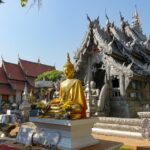
Discover the beauty and culture of Thailand’s Chiang Mai through its ancient temples and natural wonders.

Discover the cultural wonders and natural beauty of Chiang Rai, Thailand.

Chiang Mai Night Bazaar: A Vibrant Haven of Culture, Shopping, and Flavor for the Ultimate Thailand Experience.

Experience the beauty and excitement of Hua Hin, Thailand’s premier beach resort town.

Discover the Soul of Thai Art: Explore the Jim Thompson House, Bangkok’s Hidden Gem of Culture and History.

Thailand Uncovered: A Journey Through the Land of Smiles

Experience the vibrant culture and stunning landmarks of Bangkok, Thailand.

Discover a world of treasures at Chatuchak Weekend Market: Bangkok’s vibrant hub for shopping, culture, and cuisine.

Discover serenity and history at Wat Pho, Bangkok – where the majestic Reclining Buddha meets Thailand’s largest Buddha image collection.

Discover the beauty and excitement of Phuket, Thailand’s ultimate tropical paradise.

Discover Railay Beach, Krabi: A secluded paradise amidst limestone giants, where serenity meets adventure.

Discover paradise on earth at Thailand’s Koh Samui.

Uncover the Timeless Majesty: Ayutthaya Historical Park, Thailand’s Hidden Treasure of a Bygone Era