Why go
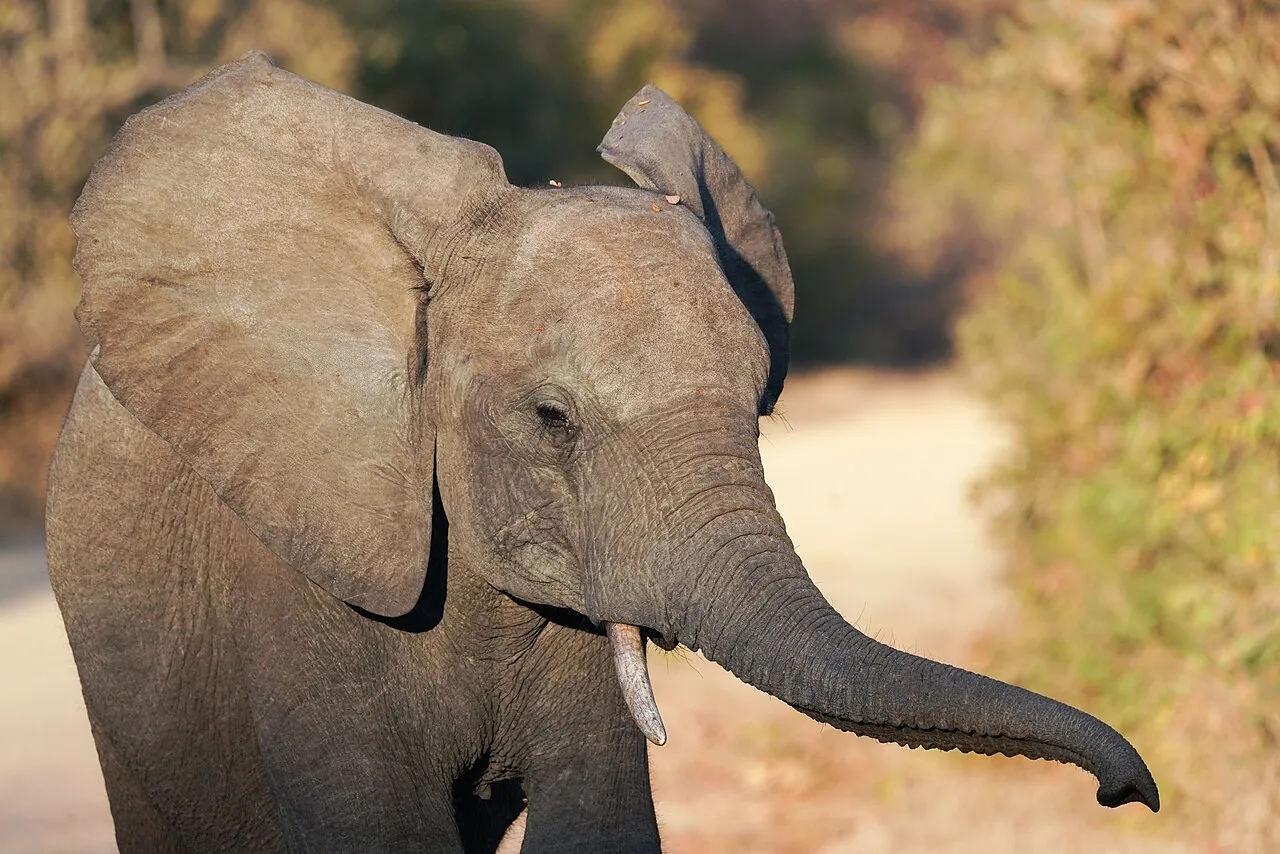
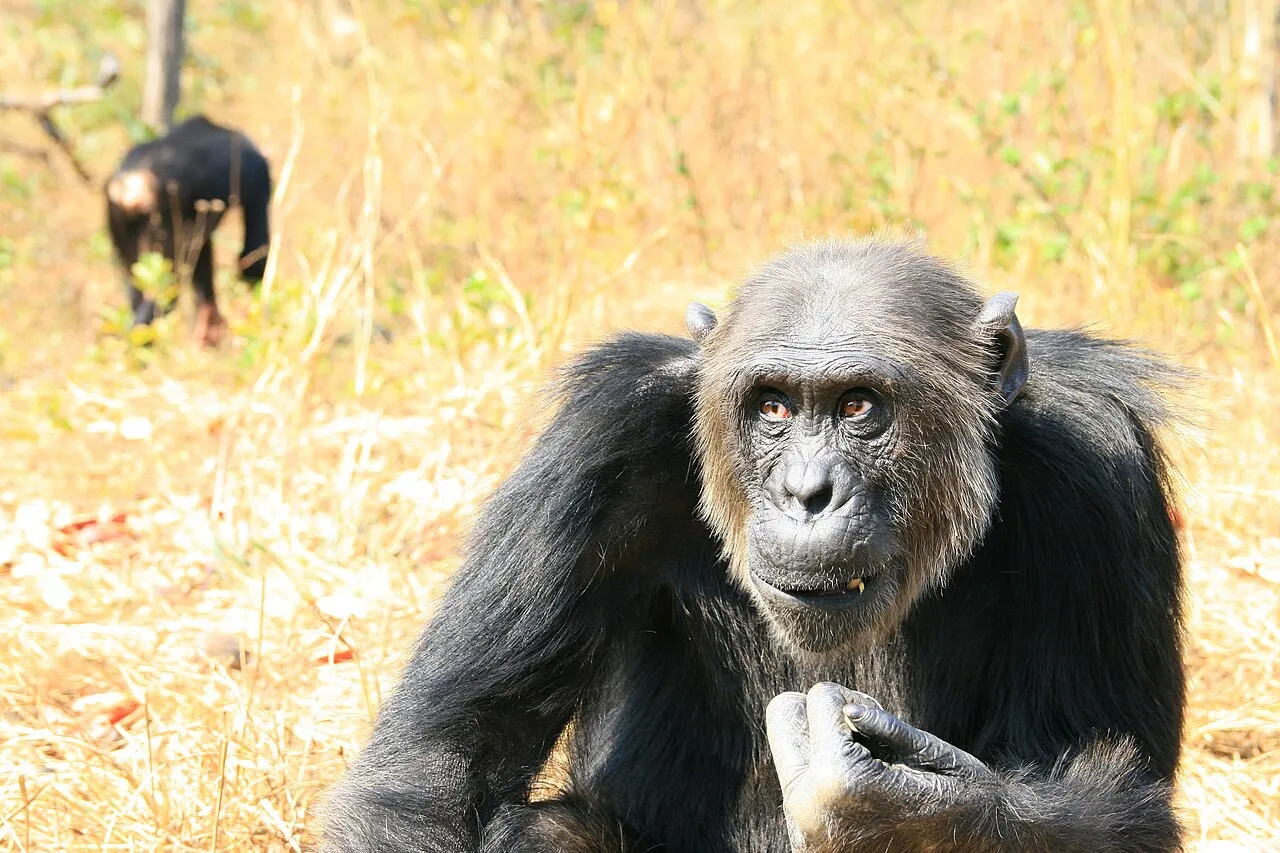
Chimfunshi is a chimpanzee sanctuary in the bush and grassland of northern Zambia, on the Kafue River and 65 km from Chingola1, the nearest town. The trust that runs it calls it one of the largest chimpanzee sanctuaries in the world, and its German support charity calls it one of the oldest3, taking in endangered chimpanzees from all over the world and caring for them for the rest of their lives. In 2026 the trust says it is home to more than 150 chimpanzees2, rescued from across the globe.
The chimpanzees are a non-native species in Zambia, and with political instability in their countries of origin, they cannot be released into the wild. Instead they live in eight expansive, semi-forested enclosures spanning over 200 hectares2, in stable social groups. The German charity says Chimfunshi is not a typical tourist destination1: visitors who care about animal welfare and are willing to fit into the routines of the sanctuary are welcome.
The story starts on a cattle farm. In the 1980s David and Sheila Siddle set up a farm called Chimfunshi on the banks of the Kafue River, and in 1983 a game warden brought them a badly injured baby chimpanzee he had rescued from poachers. They named him Pal. The name Chimfunshi means the place of water4 in Bemba, a fitting name for terrain that turns into a vast wetland every year in the rainy season. The Chimfunshi Wildlife Orphanage Trust was established in 19955.
What you will see
The chimpanzees come first. Visitors can observe the chimpanzees in their outdoor enclosures1, watch feedings by the keepers and move freely throughout the grounds. You will not get closer than that: to protect the animals’ well-being, interaction is strictly prohibited6, and only the professional keepers feed them.
Other rescued animals pass through too. Because Zambia lies along a key route in the international wildlife trade, the sanctuary regularly receives animals confiscated during trafficking operations, such as African grey parrots and turacos. In 2025 it was accredited as a tree pangolin sanctuary, in collaboration with the Zambian government. There is no public contact with any of them: animal care is performed exclusively by trained professionals2.
The land around the enclosures is worth the trip on its own. The trust protects over 10,000 hectares anchored in Zambia’s wet Miombo woodland, from open Miombo dominated by Brachystegia and Julbernardia trees to denser Mushitu forest that shelters watercourses. The Kafue River runs for 40 kilometers along its border, expanding into 4,000 hectares of dambos7, which the trust calls critical breeding grounds for fish and a draw for migratory birds.
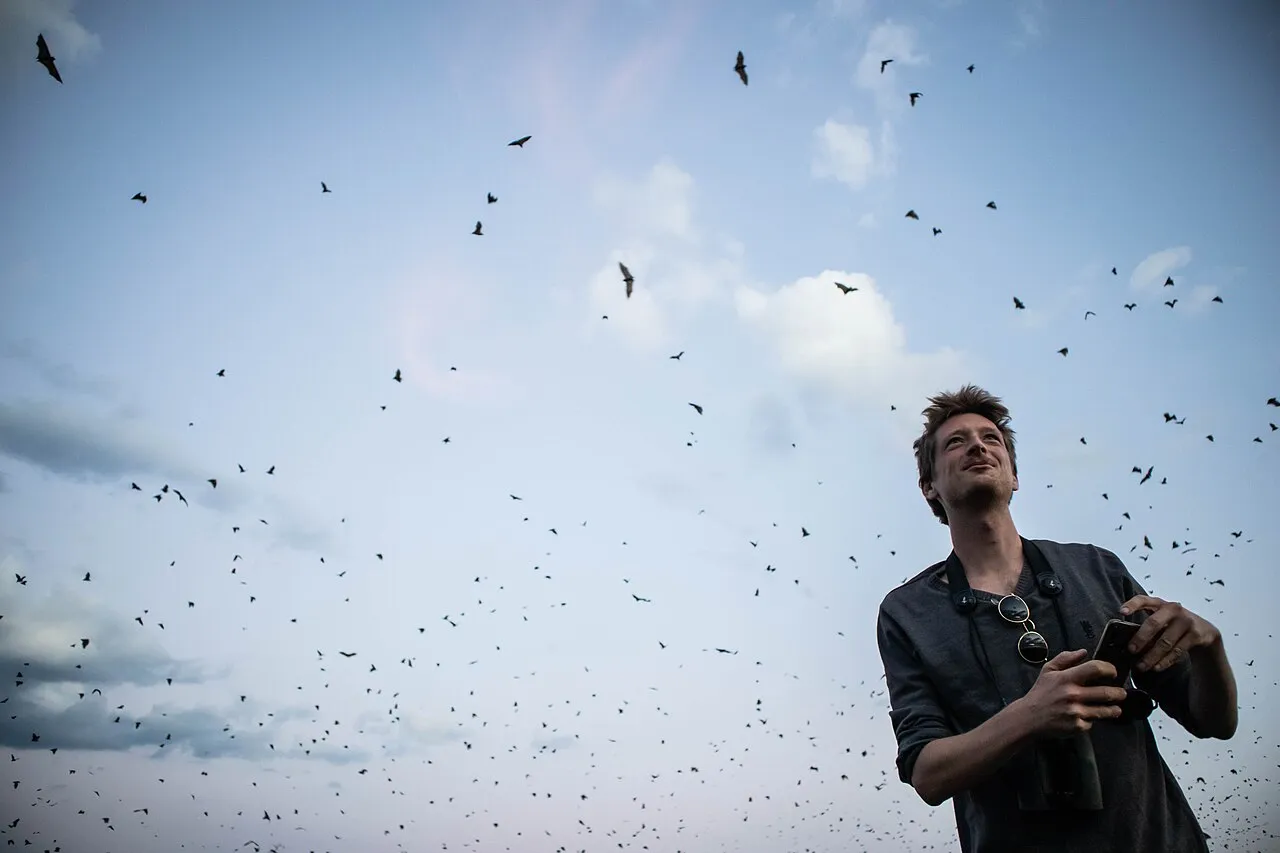
Chimfunshi was designated an Important Bird Area (IBA #22) in 2010, and its bird list holds more than 360 recorded species. As of 2026, the trust’s birding page lists the wattled crane, the ground hornbill, the bateleur and the hooded vulture among its 11 endangered species. The trust says walking is the best way8 to see elusive species, and for keen birders early morning is the time to be out.
Beyond the chimpanzee viewing, the visitor page lists canoeing, biking, walking, camping, birding and guided walks6. An educational bush trail was added as a new visitor activity in 20255.
Visiting
The sanctuary’s visitor page is the place to check before you set off. To be sure of activities, rooms or meals, you must book in advance by email; the team tries to fit in last-minute visitors but cannot guarantee availability. For an overnight stay there are dormitories, private rooms and camping sites6.
The best viewing is around 11h or 14h6, when the primates are most active near the viewing areas during feeding time.
For bush walks, closed shoes and trousers are mandatory6; bring food if you have not booked catering, and leave pets at home, as they might trigger and disturb the chimpanzees. Birders should add binoculars, a field guide, a hat, sunscreen and water8.
The trust’s visitor page says it accepts cash, Airtel Money and credit cards6, though the German charity warns that because of internet outages credit card payments are sometimes not possible and asks visitors to be prepared to pay in Zambian kwacha. A shop next to reception sells curios, souvenirs, cold drinks and snacks1.
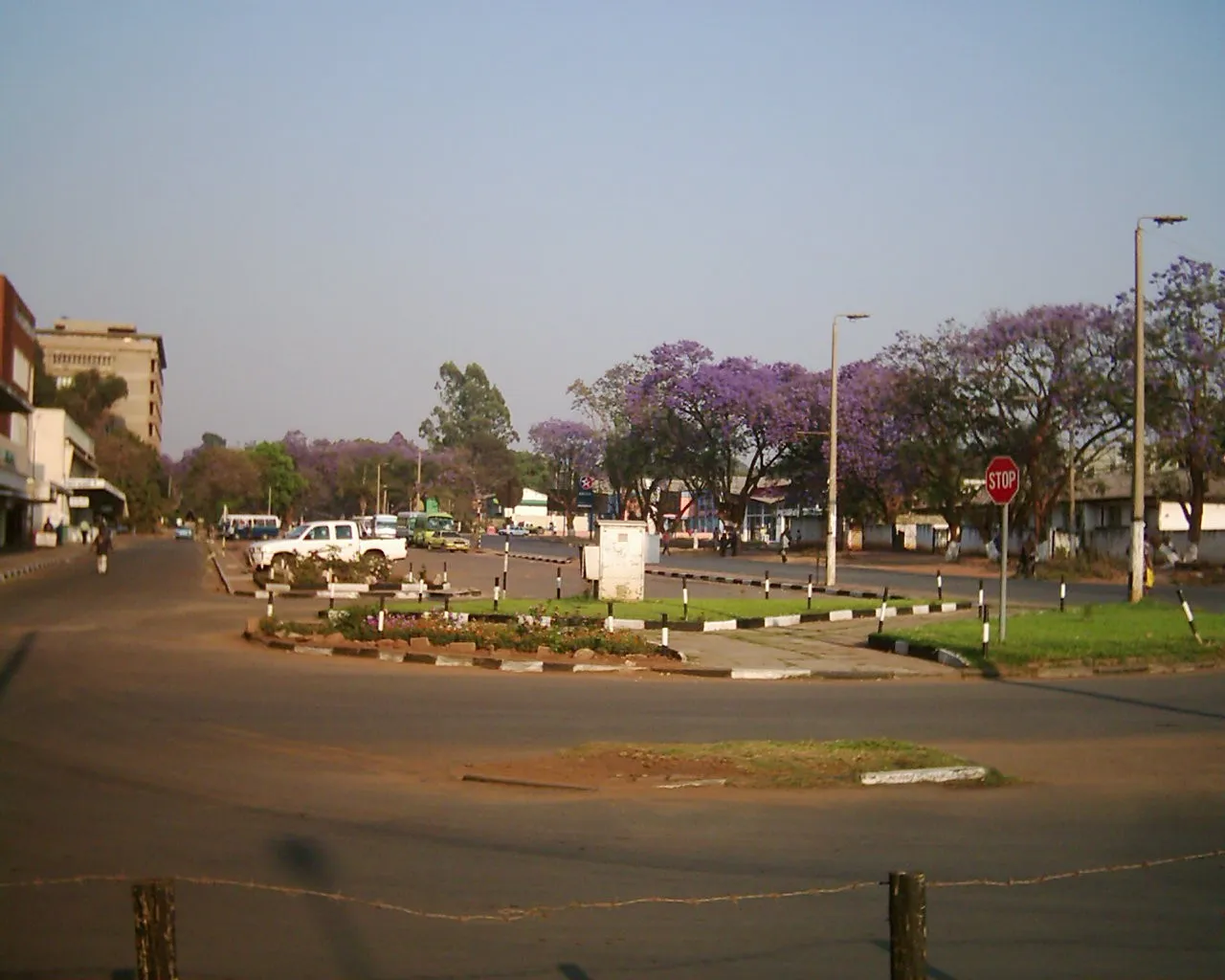
If you need to talk to someone in town first, the trust has an office in Chingola at 9 Freedom Avenue6.
Getting there
Chimfunshi lies between Chingola, 1h30 away, and Solwezi, 2h away, reached by a well-maintained gravel road. After you leave the T5 road between Solwezi and Chingola, there are 15 kilometers of well maintained dirt road6 to the Visitors Centre, where the team welcomes you, explains the activities and takes payment.
The trust strongly recommends coming by car: the chimpanzee enclosures are 4–6 km from the Education Centre, and the Orphanage is 7 km away6 in the opposite direction. Without a car, contact the sanctuary in advance so it can help organise your visit. The German charity lists a pickup by car from Ndola Airport for $140 or from Chingola for $851, arranged by email.
Nearby
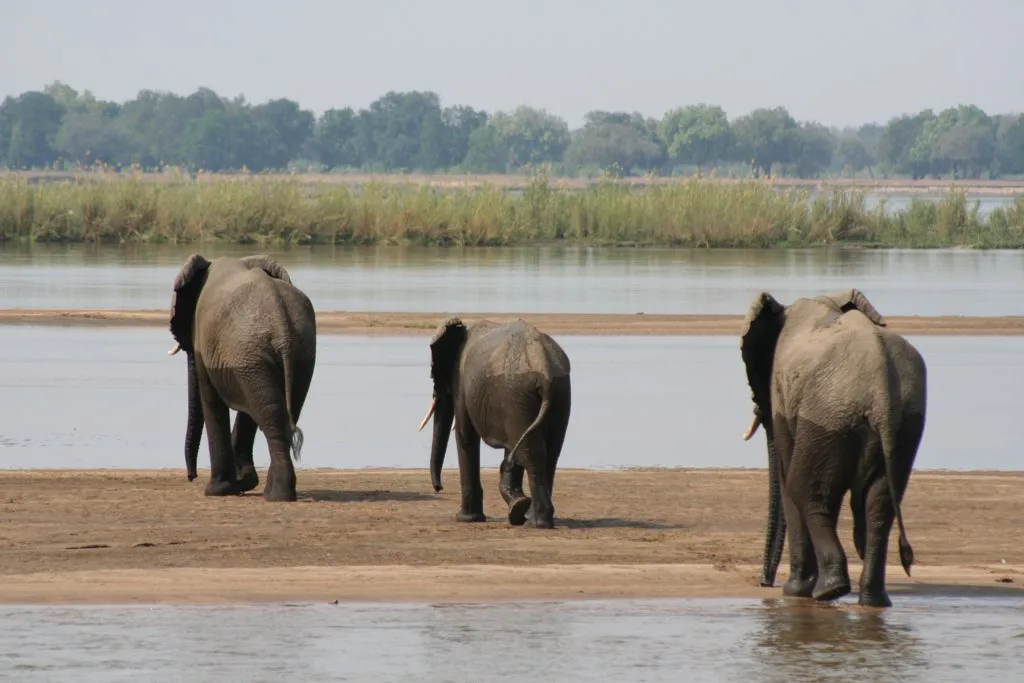
Chimfunshi sits about 110 km northwest9 of Kitwe via the T5, past Chingola. Closer to hand, the Kafue River runs along Chimfunshi’s northern border1, and boat trips can be taken on it.