Why go
Kalimba Reptile Park is a crocodile and snake park on a farm about 20 kilometres east of Lusaka, open since March 19951. The travel guide Zambia Tourism, in its page on Zambia’s capital, recommends it for viewing crocodiles and snakes2 and then grabbing a beer and a sandwich.
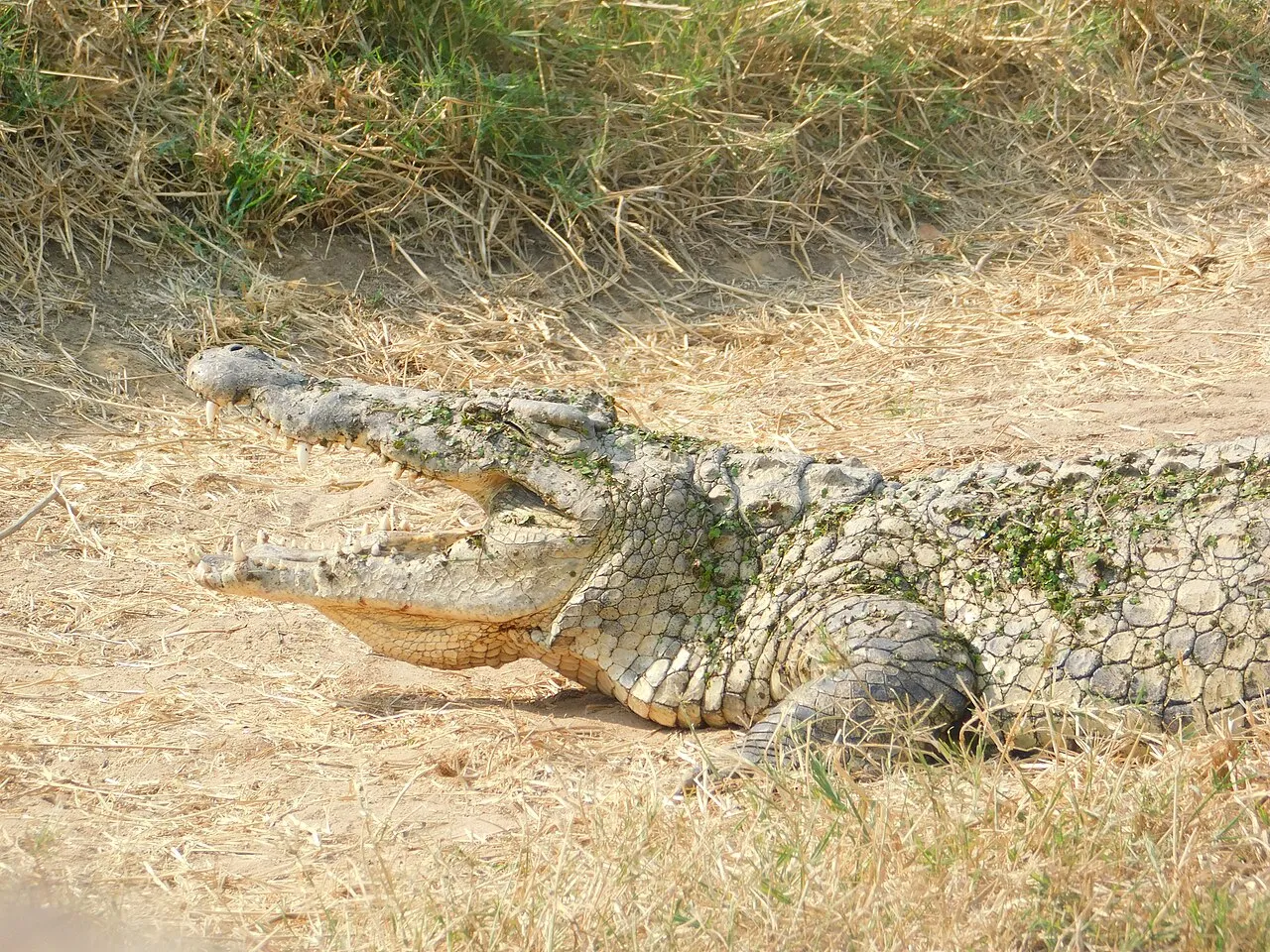
The crocodiles are the draw. In January 2017, The Namibian reported that the park had become self-sufficient in crocodile egg production after bringing crocodiles into its aquaculture. Its crocodile farm then held the African slender-snouted crocodile1 as well as the Nile crocodile, which the paper calls the largest African crocodile.
What you will see
The Namibian’s 2017 visit began at a deep pit holding four pythons, some of which visitors could hold for free. Behind glass the park kept a range of snakes, among them the Mozambique spitting cobra, puff adder and Gaboon viper1, as well as the boomslang, brown house snake, forest cobra, black mamba and black-necked spitting cobra.
On that visit, the path led past the snakes to the crocodile farm. In 2017 a bridge ran right above the Nile crocodile area, and the crocodiles below were not bothered by people moving on it. The Nile crocodile grows to six metres and 730 kilograms; it feeds on fish but will attack any animal in its path. Some ponds gave off a strong stench in 2017, and the crocodiles could all dash into the water at once1 when a member of staff cleaned their pond.
In 2017 the farm also bred tilapia (bream): water from its ducks was used to raise plankton levels, the fish’s natural diet, and it kept only male fish. In 2017 a table in the seating area held a crocodile skull and a bucket of hatched crocodile eggs1 on display. Wikivoyage’s guide to Lusaka, updated in August 20203, describes a crocodile pond with murky water and snakes.
Visiting
The park’s official website4 is the place to check opening hours and admission before you set off. Beyond the reptiles, the park in 2017 had a mini golf area and a pool for children, and a seating area where you could order a crocodile burger or kebabs. On arrival in 2017, duck eggs sat beside a fridge of Mosi Lager1, Zambia’s national beer. The 2020 guide also lists a swimming pool3.
Getting there
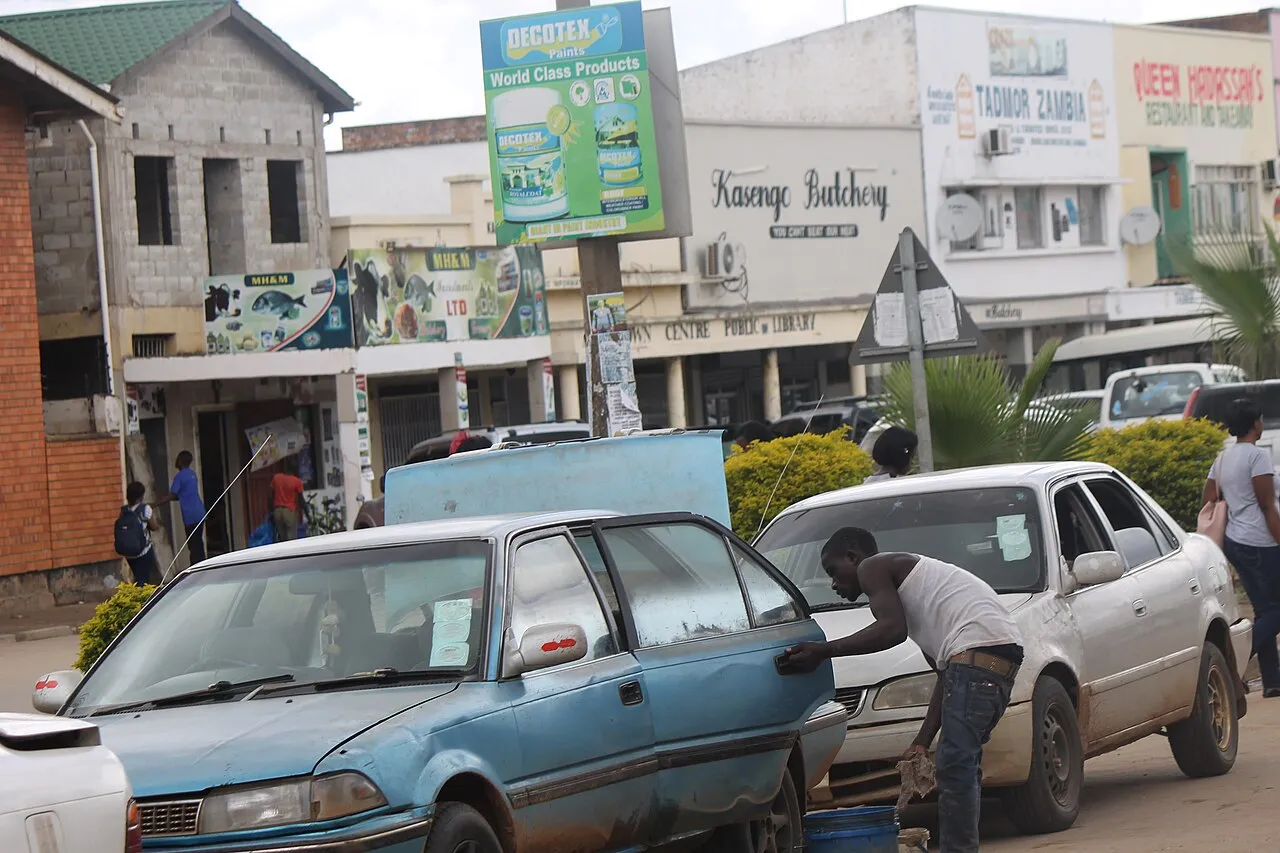
The Namibian’s family outing in January 2017 came after days of rain, and reached the park’s gates after a long drive down a muddy path1. Lusaka’s rains fall between November and April. Most international flights land at Kenneth Kaunda International Airport. In the city, most commuters get around in mini-bus taxis, which can be cheap but crowded, and international car-rental firms such as Avis and Europcar2 have a strong presence.
Nearby in Lusaka
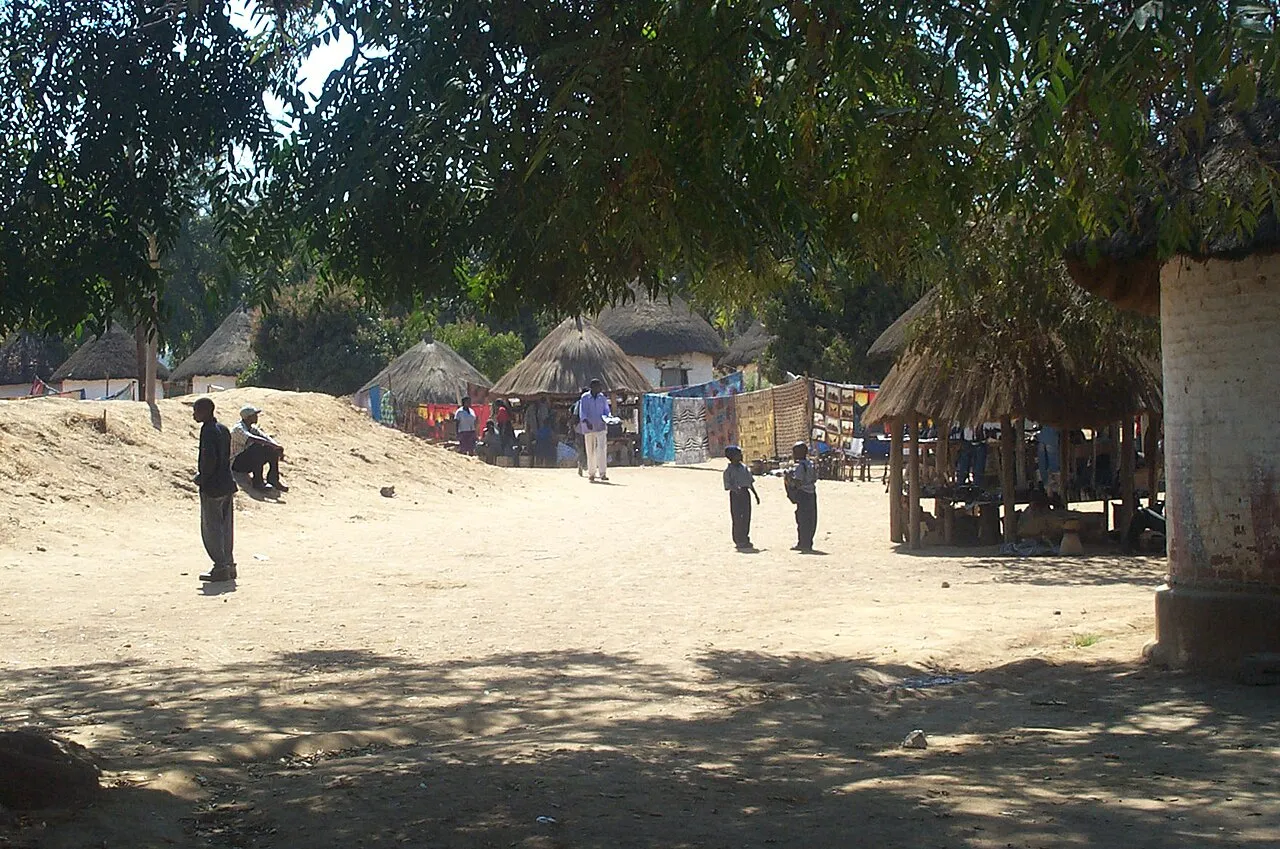
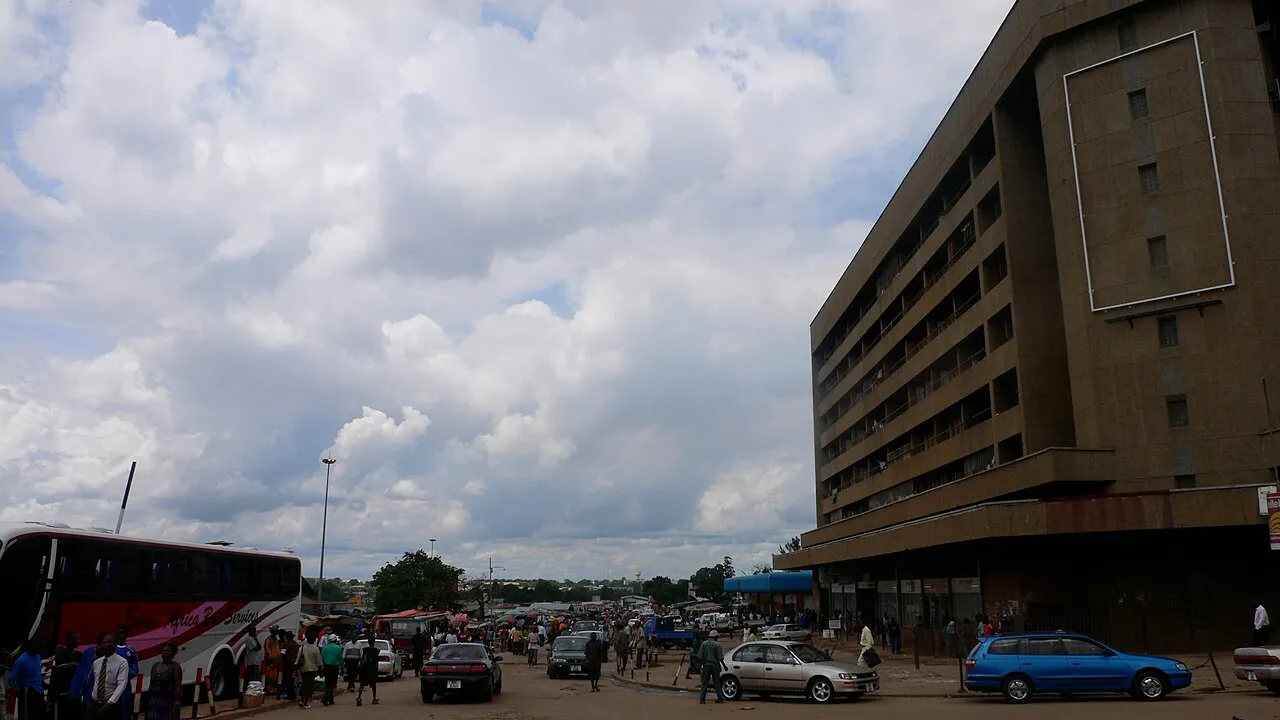
Back in the city, Kabwata Cultural Village is one of the places to buy curios and crafts. Munda Wanga Environmental Park has botanical gardens and an animal sanctuary where rescued animals, including lions and cheetahs, are rehabilitated for release into the wild. Lusaka National Park, on the outskirts along Leopards Hill Road, has a high viewing platform and roads to drive and see antelope and other plains game. The National Museum2 shows contemporary Zambian paintings and sculpture, with an archaeological and ethnographic section upstairs. For more of the capital, see Lusaka.