Why go
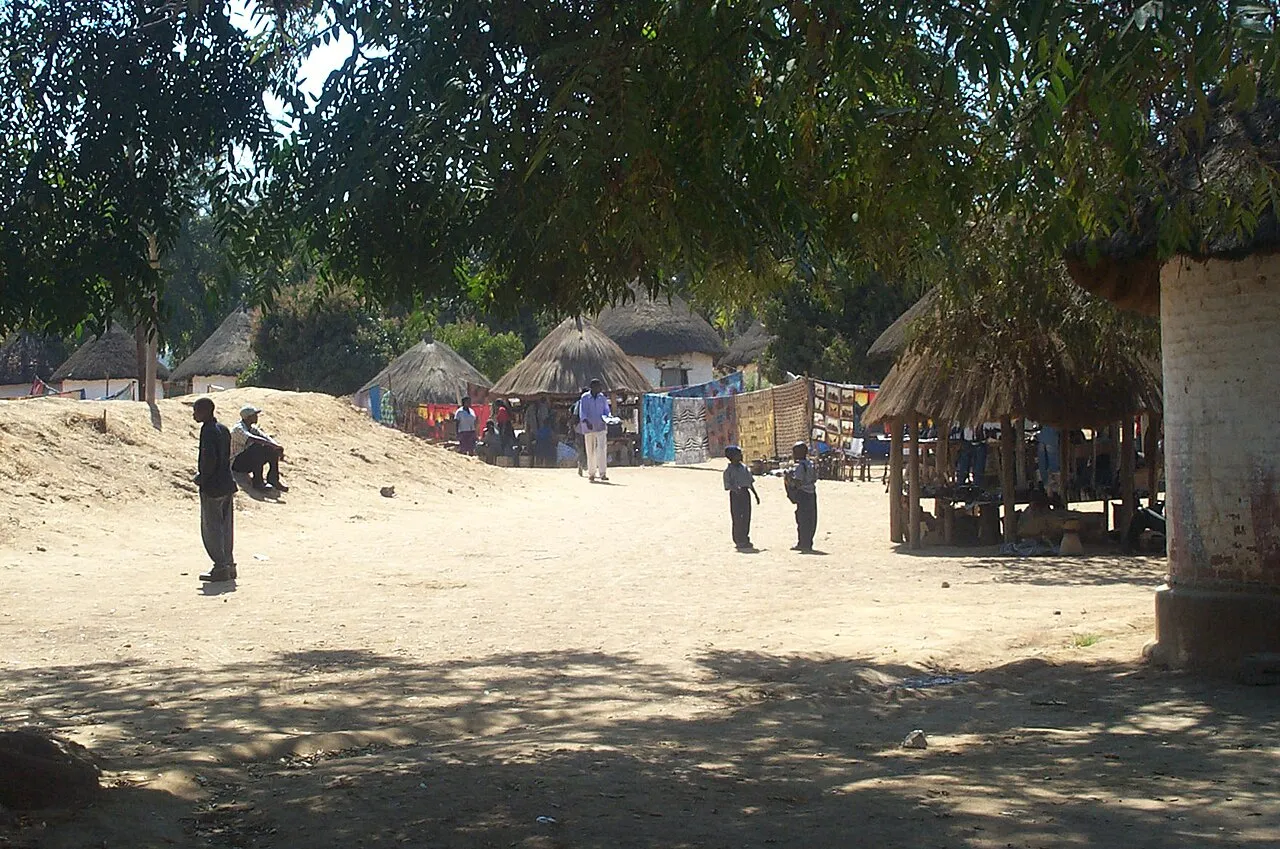
Kabwata Cultural Village is a cluster of grass-roofed chalets on Burma Road in Lusaka, where the cultures of all 10 provinces of Zambia are shown through wood carvings, paintings, masks, music, fabrics and food. Artists from Lusaka first used the village as a market for their work1, and later sought out styles from the other provinces so that each one was represented.
Nkwazi Magazine traces the site’s roots to 1930: the structures were built by the British and housed Zambian workers, typically men who had come to Lusaka for work and left their families in their home villages. In 1974, a decade after independence, President Kenneth Kaunda had the structures preserved and the site was declared a national monument. The chairman of the Kabwata Visual Arts and Cultural Association told Global Press Journal that in 19741 the government wanted the cultures of the then nine provinces in one place, and called artists from every province to show their work there. That association manages the village2.
Zambia’s tourism board lists Kabwata as a place to find curios and crafts3 in the capital, and Nkwazi calls it the best place in Lusaka2 to buy curios and souvenirs, direct from the people who make them.
What you will see
The thatched roofs stand out among the modern houses of the area. The association’s chairman says the thatched houses are symbolic of Zambia’s heritage1: back home in the villages, people live in grass-thatched houses. The huts face each other in a circular formation2, placed that way on purpose to encourage unity and openness among the artists.
In 2017 the village had 121 artists from the 10 provinces; some chalets are where artists stay and work, others are used for display. Expect wood sculptures, beads, masks, African fabrics, drums and other traditional musical instruments1. Nkwazi adds clothing and jewelry to that list, as well as cooking tools such as wooden spoons, mortars and pestles, and some pieces made from copper, crystals or bone2.
You can interact with the artisans2 as they craft many of their goods on site, and even request items made to your own specifications. Wooden sculptures such as crocodiles are carved on-site1.
According to the chairman in 2017, artists from Eastern Province who specialised in Nyau dance costumes1 can now make Makishi dance costumes in the style of Western or Northwestern Province, because the artists have learned from one another.
Food and dance
The village restaurant, which Nkwazi names Tigwilizane, serves nshima with local, seasonal vegetables and meat dishes. You can sample visashi2, leafy greens in peanut sauce, as well as game meat, village chicken and vinkubala, which are caterpillars. Global Press Journal reported in 2017 that the menu changes daily, and the manager told it that the restaurant operates every day except Sunday1.
In 2017 the chairman said the village offers traditional dances and music on special occasions1 like Independence Day. Restaurant patrons are occasionally entertained2 by traditional dancers.
Visiting
Bring cash: Nkwazi says cash is the preferred mode of payment, and you should be prepared to negotiate. Wikivoyage describes a little hawking4 and advises you to be prepared to spend a while and not to be afraid to bargain. There is a lot to browse, so take your time and ask the artisans2 about their materials and creative process.
Global Press Journal reported in 2017 that admission was free1.
When business is good, more than 50 people1 visit each day, the chairman said in 2017.
Getting there
It is a 10-minute drive south1 of the city centre to the village, along Burma Road. Nkwazi places it in the Kabwata neighborhood, not far from the central business district. Directions in the area often point to Burma Fitment Centre2, which seems to be Kabwata’s most relied-upon landmark.
Lusaka’s minibuses are cheap, and most routes run to and from the major bus stations in the city centre, but routes and destinations are not posted on the vehicles. A taxi might be the better option at first: Zambia’s taxis have no meters4, so set a price before getting in the cab.
Nearby
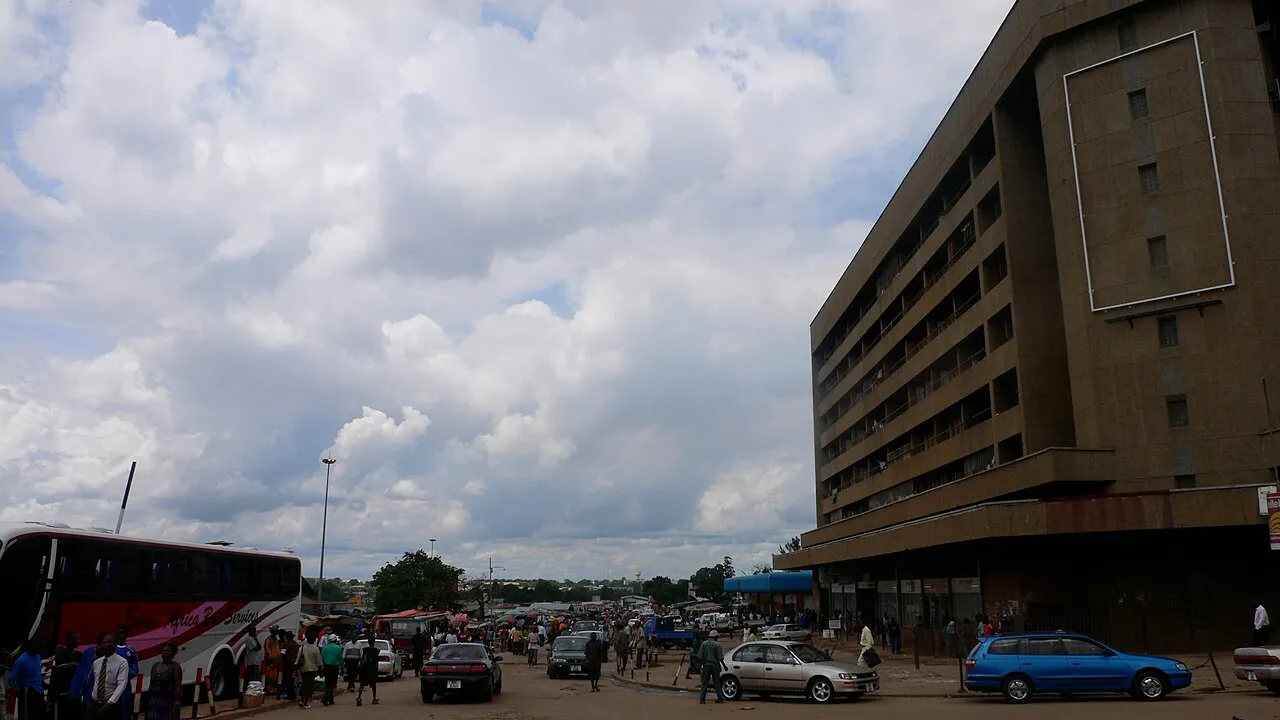
Kabwata is also known for its colourful high-rise flats2 and for Kabwata Market.
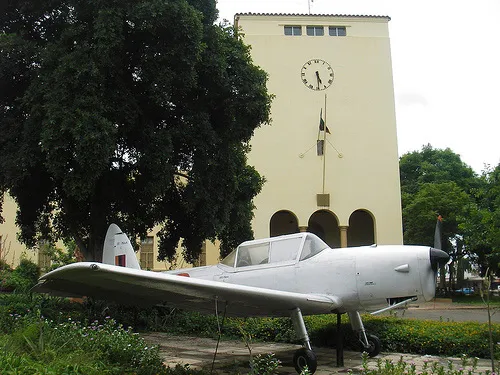
In the city, the National Museum has a collection of contemporary Zambian paintings and sculpture, with an archaeological and ethnographic section upstairs. For more crafts, the tourism board points to Kubu Crafts at the Manda Hill shopping centre, and to the market at the Arcades Shopping Centre on Great East Road for souvenirs before you fly home. Lusaka National Park, on the outskirts along Leopards Hill Road3, has a high viewing platform and roads for a drive to see several species of antelope and other plains game.