Kafue National Park covers about 22,400 km² of west-central Zambia, which makes it the country’s largest national park and one of the largest in Africa, big enough that its north and south ends feel like different trips. Kafue has no scheduled commercial airstrip of its own; most visitors fly into Lusaka and go on by light aircraft to one of the park’s own airstrips, such as Chunga, Ngoma and Lufupa, or drive in on the tarred M9 from the capital. The park is split by its namesake Kafue River1, the Zambezi’s largest tributary, which runs the length of the park and, with its Lufupa, Lunga, Luansanza and Musa tributaries2, is the reason wildlife concentrates where it does through the dry season.
Zambia’s Department of National Parks and Wildlife has run Kafue jointly with the conservation group African Parks since a 20-year management agreement signed on 1 July 2022, the organisation’s third partnership with the Zambian government and its 20th park overall. The agreement followed a 16-month support plan that began in February 20213 to fund infrastructure and anti-poaching patrols while the longer-term deal was negotiated.
Getting oriented
The park divides into three areas that visitors rarely combine in one trip because of the distances involved. The Busanga Plains, in the far north, are a seasonal floodplain fed by the Lufupa River and recognised internationally as the Busanga Swamps Ramsar wetland site4, which straddles the park boundary with the neighbouring Kasonso-Busanga Game Management Area. The central section around the Kafue River and Lake Itezhi-Tezhi, a 370 km² reservoir built by damming the river in the 1970s, is reachable year-round and holds most of the park’s longer-established camps. The Nanzhila Plains, in the south, are the section closest to Livingstone and Victoria Falls2 and draw visitors for their antelope variety as much as for the predator sightings the north is known for.
Highlights
Busanga Plains
The Busanga Plains are only open to vehicle traffic from early July to early November, once the floodwaters from the wet season have receded enough for roads to be passable, and they close again as the rains return. Game drives here concentrate on the open grassland rather than riverbank cover, which gives longer sightlines on lion, for which Busanga is particularly famous, and on the thousands of red lechwe2 that gather here with large buffalo herds while the plains are dry.
The Kafue River and Lake Itezhi-Tezhi
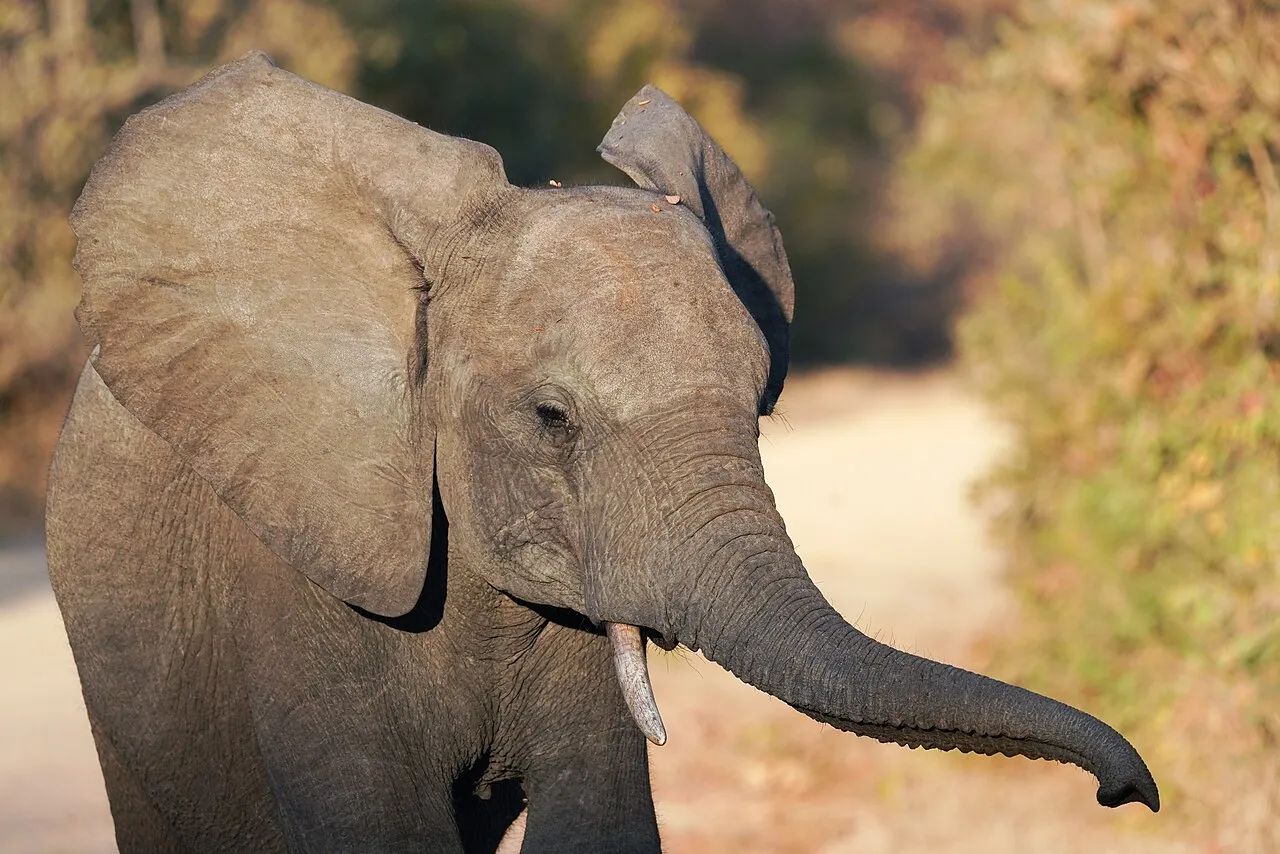
Through the central section, the Kafue River and the Itezhi-Tezhi reservoir it feeds carry the park’s hippo pods, elephant herds and crocodiles2, and boat trips on the river are a common alternative to a game drive here. Camps on this stretch tend to stay open through the wet season, when the plains further north and south are inaccessible.
Nanzhila Plains
The Nanzhila Plains sit at the opposite end of the park from Busanga and are reached more easily from Livingstone than from Lusaka. Zambia’s government and African Parks have pointed to the park’s 21 antelope species, the highest diversity of any park on the continent5, when making the case for Kafue’s conservation value, and Nanzhila’s open plains are where that range of antelope, including sable and roan, is easiest to see.
Getting around
Inside the park, roads outside the main dry-season tracks need a 4x4, and the Busanga Plains in particular are only passable in the dry months described above. Several of the park’s own airstrips, including Chunga, Ngoma and Lufupa, operate all year, which is how most visitors reach camps in the central and southern sections by light aircraft without the long drive. The tarred M9 (Mongu Road) crosses the park2 and is the route self-drivers use to reach it from Lusaka, with onward tracks to individual camps requiring four-wheel drive.
Where to stay by area
Camps near the Busanga Plains close for the wet season and only operate during the dry-season window when the plains themselves are open, so a Busanga stay has to be timed to that calendar. Camps along the Kafue River and around Lake Itezhi-Tezhi in the central section run year-round, making that stretch the more flexible base for a trip that does not revolve entirely around the Busanga floodplain. The Nanzhila Plains, in the south, suit a stay built around a Livingstone and Victoria Falls itinerary over a Lusaka-based one, given how much closer that section sits to the falls.
Day trips
Nanzhila’s position means a stay there pairs more easily with Victoria Falls than a Busanga or central Kafue stay does; Zambia’s tourism authority describes the park overall as sitting only two hours’ drive from Livingstone2. From the central and northern sections, the more practical onward trip is by light aircraft back to Lusaka, since the Busanga Plains’ own access window and the long road distances rule out a same-trip combination with the falls in most itineraries.