Why go
The Lusaka National Museum is the national museum of Zambia in its capital, Lusaka, and the National Museums Board describes it as themed as a Political History Museum. The Board says it was established as a national museum in 19961 to document the political history of the country. Its origins go back to the 1980s, when China began working with Zambia on a museum dedicated to Zambian independence; by the time it opened to the public in October 19962, the focus had changed to cultural history.
The museum is run by the National Museums Board, a statutory body established in 19663 and mandated to research, document, present and preserve the country’s cultural and natural heritage. The Zambia Tourism guide calls the museum worth a visit4, and its museums page says it tells the story of Zambia in four main sections5: ethnography, traditional ritual, history and contemporary art.
What you will see
The museum has three major research wings: Archaeology, Ethnography and History. It has permanent exhibitions and regularly hosts temporary exhibitions1 from other stakeholders and even embassies in Lusaka.
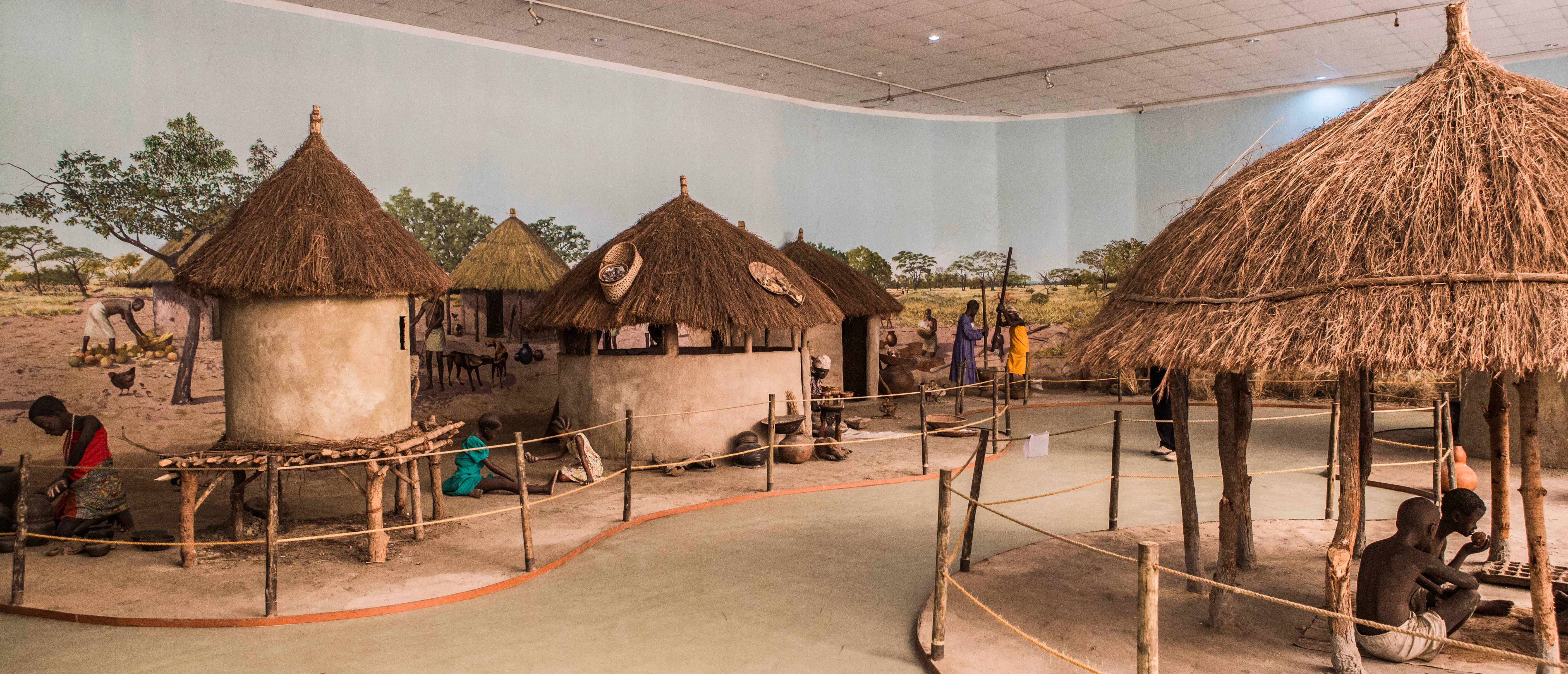
The building has two floors. Zambia Tourism describes a collection of contemporary Zambian paintings and sculpture4, with an archaeological and ethnographic section upstairs covering Zambia’s cultural history. Wikivoyage places the modern art on the ground floor and an exhibition upstairs covering Zambia’s colonial history, village life and witchcraft, with old newspaper cuttings that show the prejudiced views of British colonial officers6 towards the ‘natives’. The archaeological displays run from the Stone Age2 up to modern Zambia, with pottery, tools and ornaments.
The Board’s own page lists Zambia’s presidents from Kenneth Kaunda, the founding president after independence in 1964, to Hakainde Hichilema, in office since 20211.
Beyond the galleries, the museum has a library open to members of the public and to scholars, and a children’s library for younger visitors. Its education department organises tourism packages1 for pupils and other visitors throughout the year.
Visiting
The National Museums Board’s museum page is the official visitor page, with fees and contact details; foreign visitors pay a separate rate in US dollars. In 2026 the Board says the museum is open every day except Christmas Day, and its FAQ adds that it opens on public holidays except Christmas and New Year. Questions go to the museum’s own email address1, listed on that page.
According to the Board’s FAQ, the museum takes cash, Visa or Mastercard, is suitable for children and is wheelchair friendly. It also has a restaurant and a craft shop1.
Wikivoyage suggests giving yourself at least 1 hour, but keeping your expectations low. Its listing calls it a dusty, underfunded museum that is worth a visit if you are at a loose end6.
Getting there
The museum stands on Independence Avenue, next to the new Government Complex. Out in front is the Freedom Statue6, a man breaking free of chains, a reminder of Zambia’s fight for freedom.
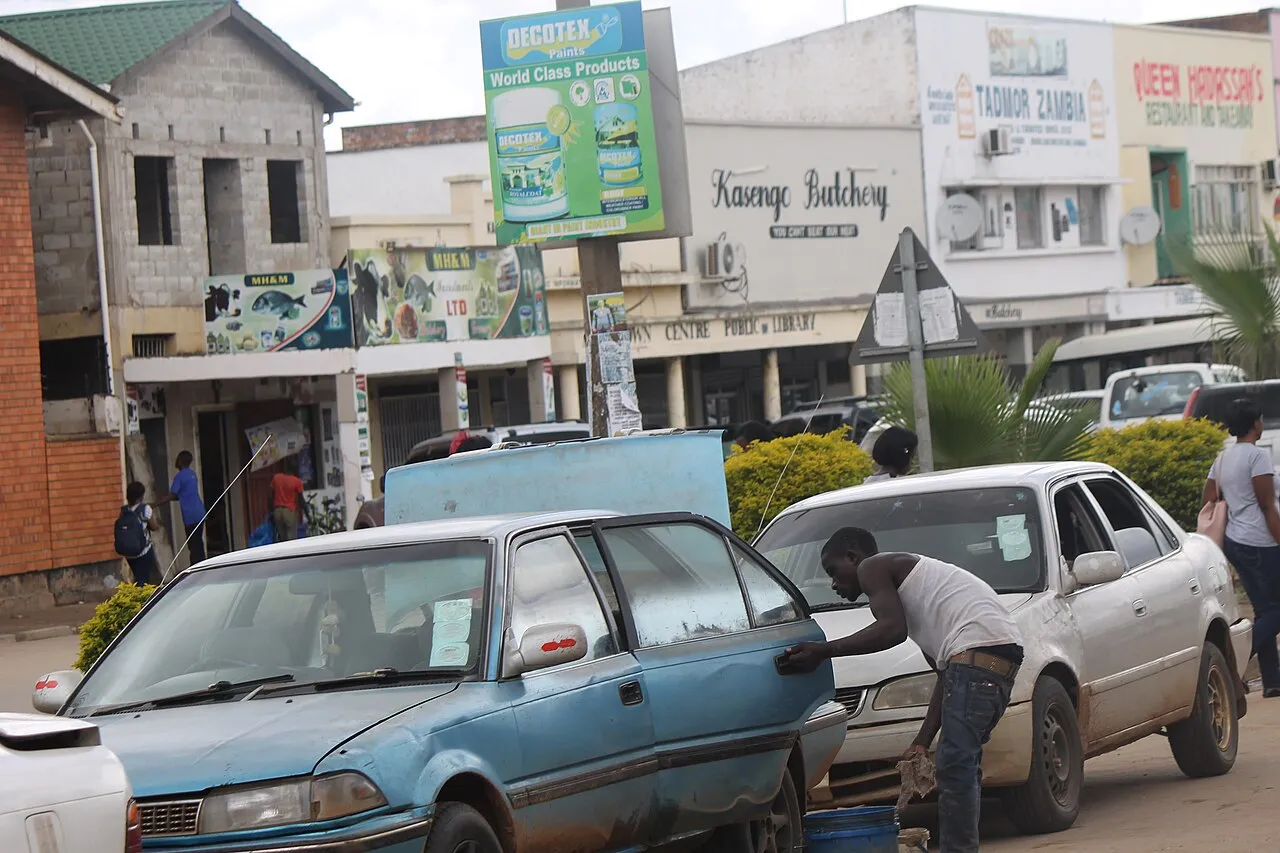
Most commuters in Lusaka get around in mini-bus taxis4, which can be cheap but crowded. There are no meters6 in Zambia’s taxis, so prices are somewhat negotiable.
Nearby
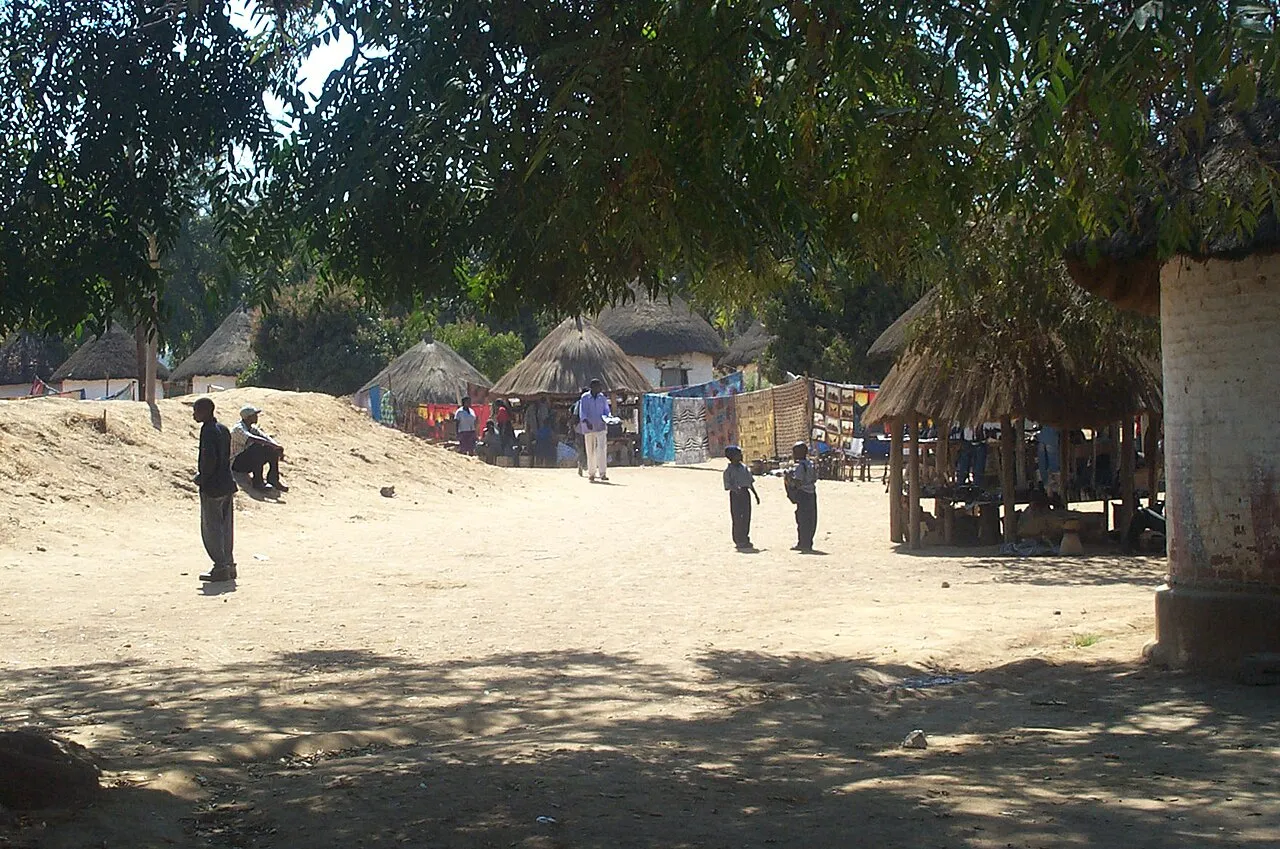
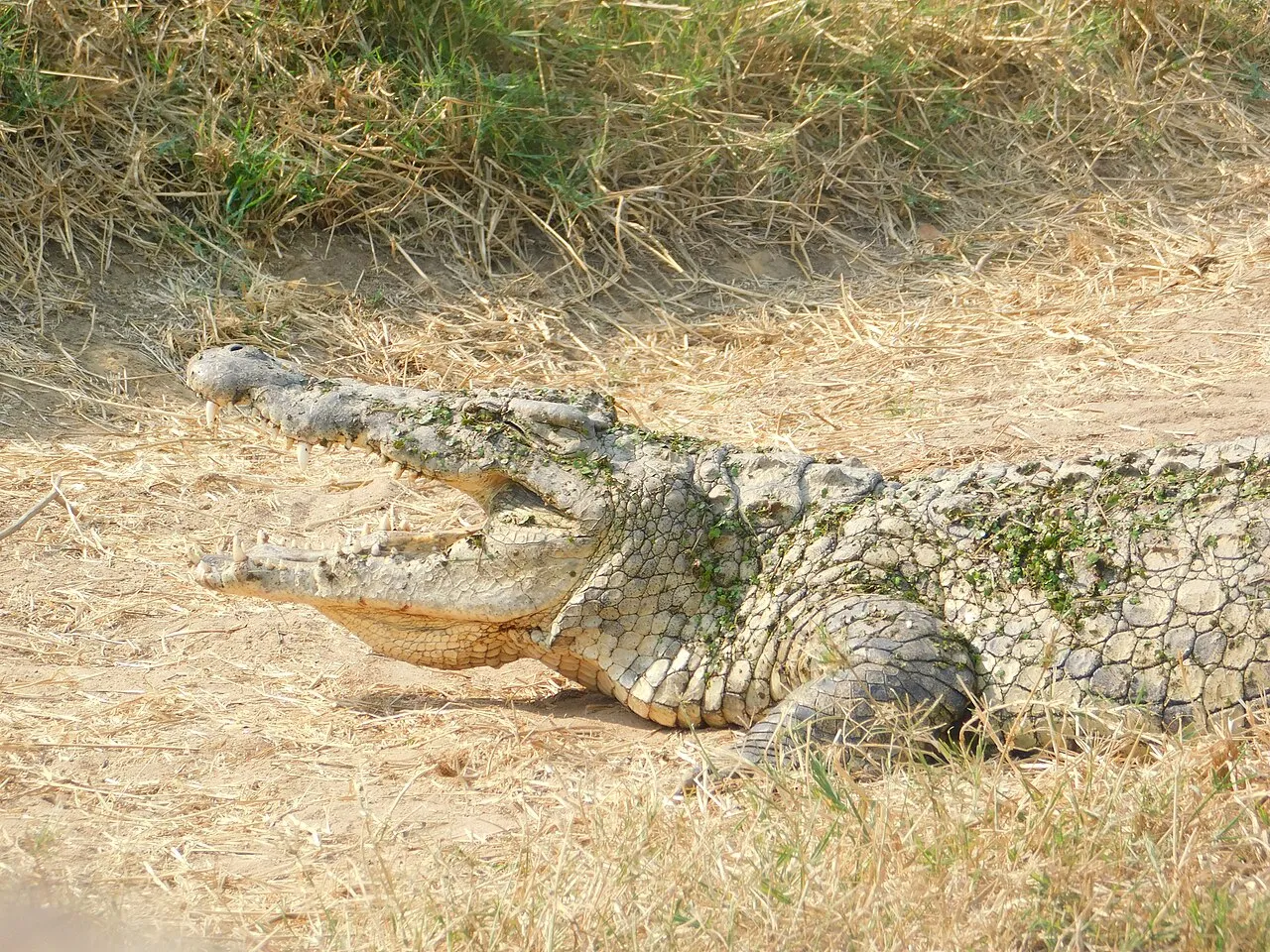
Kabwata Cultural Village is where Zambia Tourism points you for curios and crafts in the capital. For a suburban safari, Lusaka National Park lies on the outskirts along Leopards Hill Road, with a high viewing platform and roads to see antelope and other plains game. On the southern side of town, the Munda Wanga Environmental Park has botanical gardens and an animal sanctuary. Zambia Tourism also recommends Kalimba Reptile Park to view crocodiles and snakes4.
The Board runs other museums too, among them the Livingstone Museum, the Copperbelt Museum, the Moto Moto Museum and the Choma Museum1.