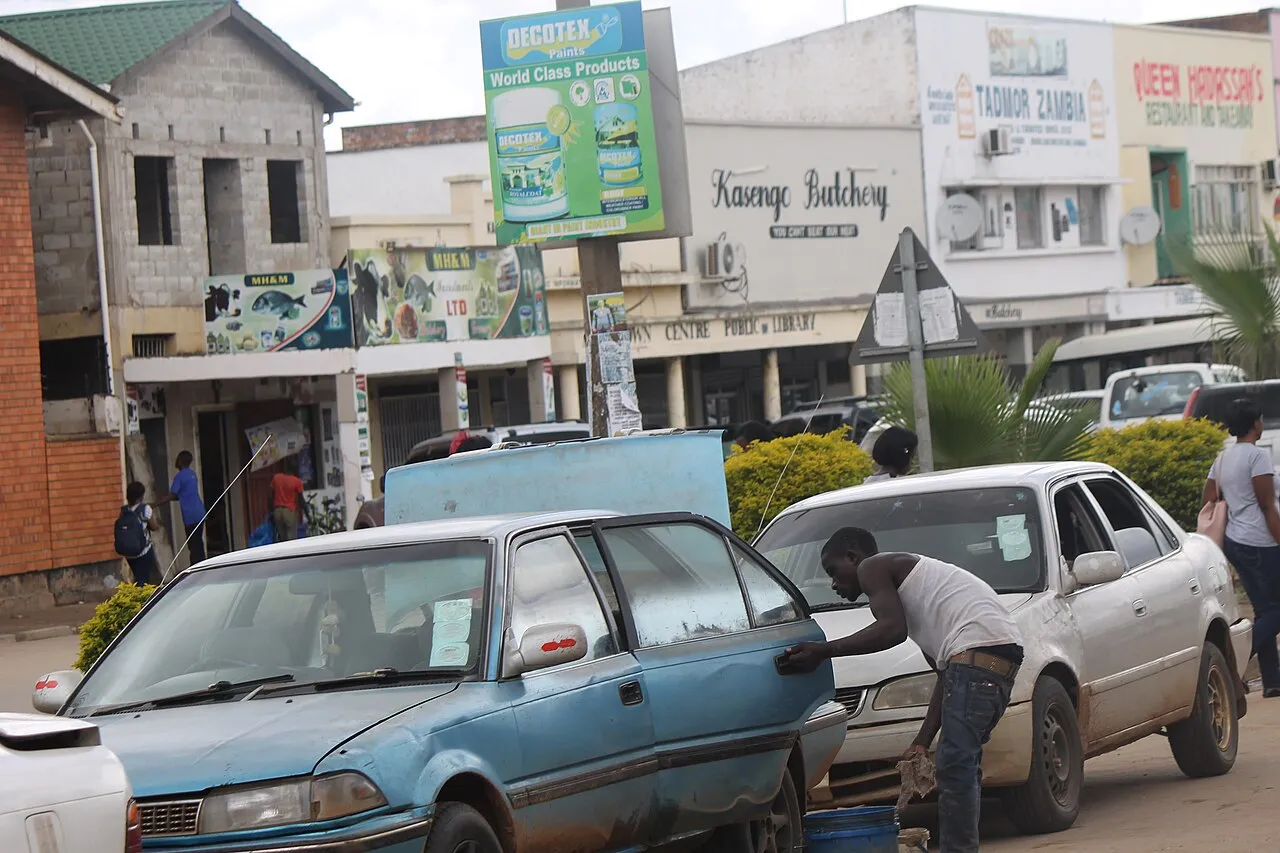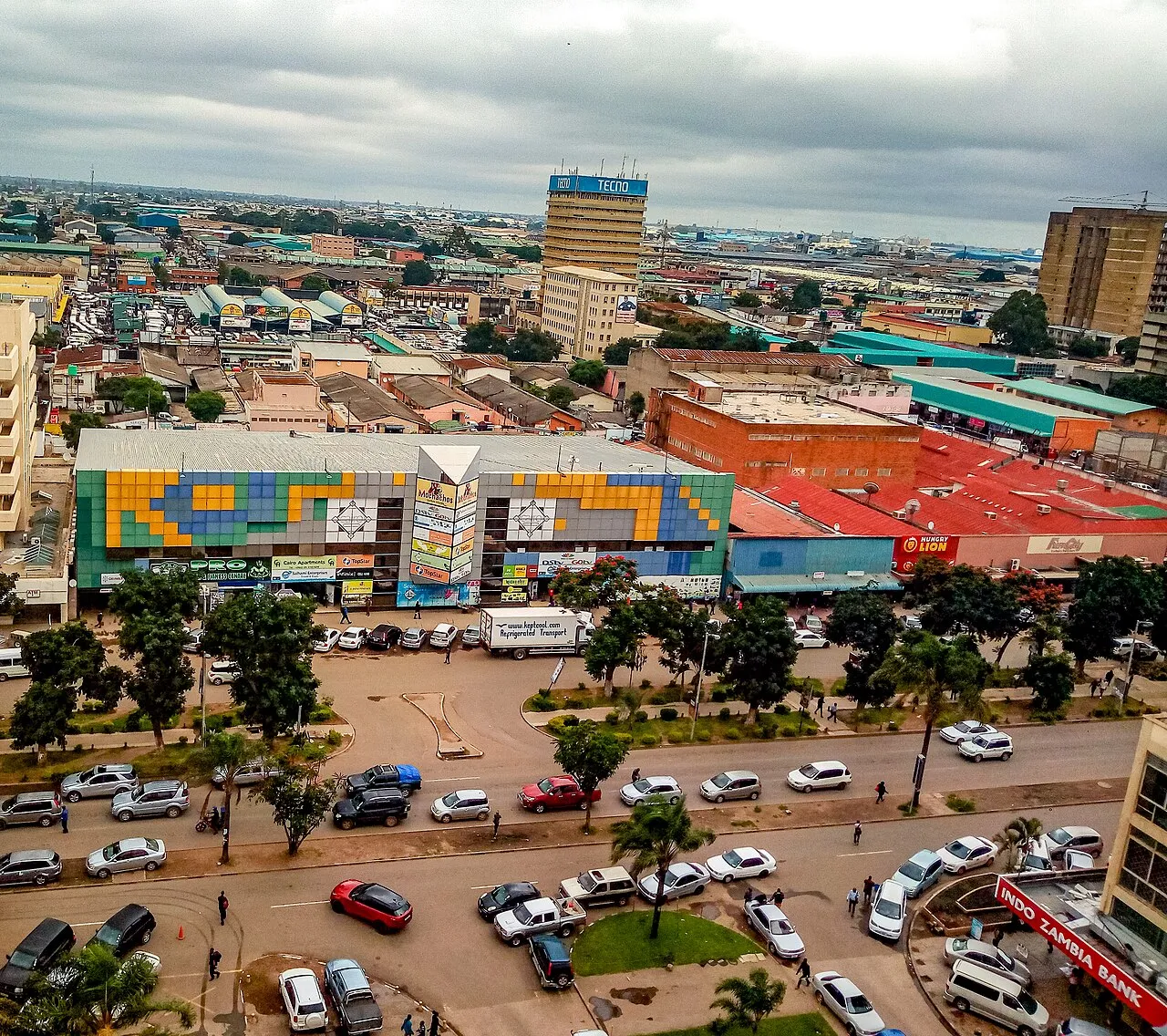
Lusaka is the capital of Zambia and its largest city. The 2022 census counted 2,212,301 people here, against 665,9611 in Kitwe, the second city. It started in 1905 as a water stop on the British South Africa Company’s railway from the Copperbelt to Cape Town, named after a local Lenje chief called Lusaaka, and formally became the capital in May 19352. Zambia’s tourism board calls it something of a boom town, with malls and chain stores going up across sprawling suburbs and road development that is not quite keeping up. The city sits at 1,300 m where the main highways to the north, east, south and west meet, and its airport has air links to most of the major tourist destinations3 in the country.
Getting oriented
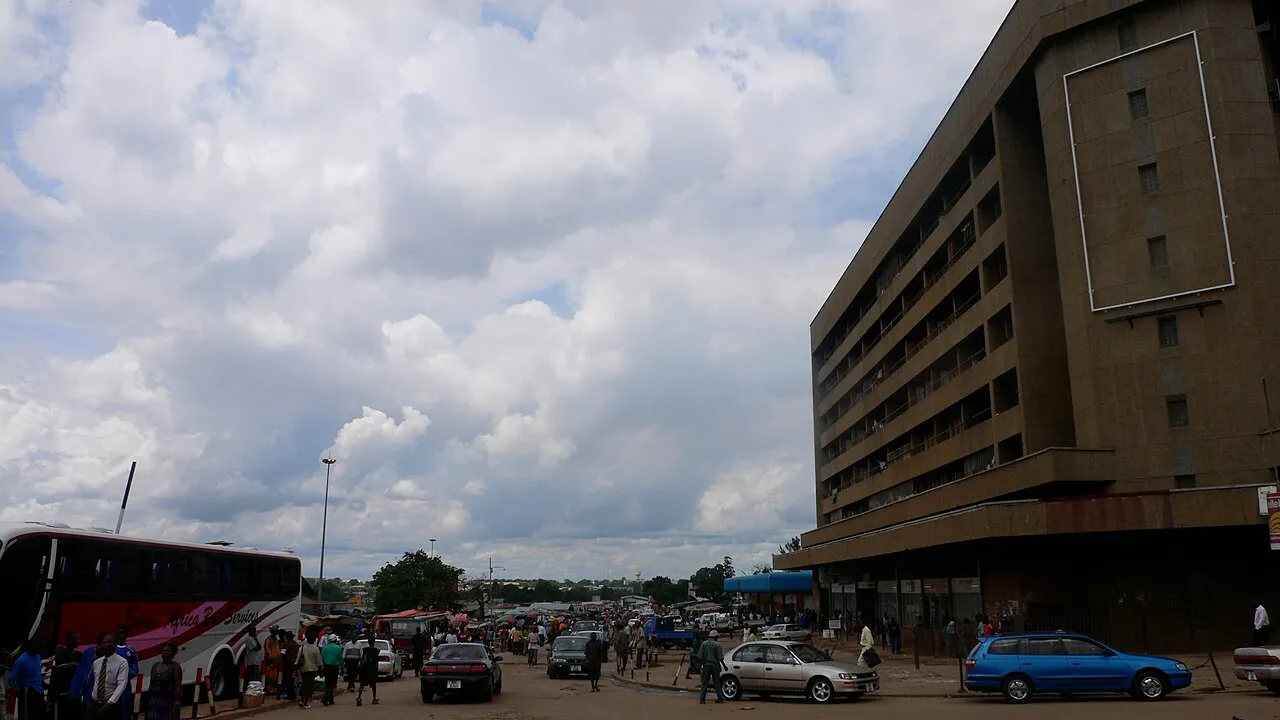
Cairo Road is the main thoroughfare and the principal business, retail and service centre of the city. It is a wide, 1.8 km4 dual carriageway with trees down the middle, running north–south between the Kabwe and Kafue roundabouts, with the main railway line one block to the east. Most of the banks and many bureaux de change are along Cairo Road3.
Along Independence Avenue lies Woodlands, which is the principal residential area for Lusaka’s rich elite2 and wealthy expatriates; the wealthy suburbs of Ibex Hill and Rhodes Park are also in the east, with Makeni to the south. There are several shopping malls along the Great East Road, the Kafue Road south of the city and the road out towards Leopards Hill, and Kabulonga, Northmead and Woodlands have their own suburban shopping centres. Manda Hill, just off the Great East Road, is considered the most premier3 of the malls; it was Lusaka’s first mall, opened in 20005.
Highlights
Lusaka National Museum
The cultural history museum tells the story of Zambia in four main sections6: ethnography, traditional ritual, history and contemporary art. It opened to the public in October 19967, after a project begun with China in the 1980s as a museum of Zambian independence shifted its focus to cultural history. The tourism board points to its collection of contemporary Zambian paintings and sculpture3 and an archaeological and ethnographic section. The museum is on Independence Avenue5, and out in front stands the Freedom Statue, a man breaking free of chains, a reminder of Zambia’s fight for freedom.
The markets
Lusaka’s markets are, in the tourism board’s words, its beating heart. Thousands of stalls are set up and cleared away every day, a mix of motor spares dealers, hairdressers, fishmongers, fruit sellers and rows of salaula, discarded clothing from the West sold to Africa by the bale. The name means “select from the pile”, and rummaging through the pile is exactly what buyers do. Soweto Market, Pakati Market and the Lusaka Food Market are among the best known3; for atmosphere and cheap local food, the Town Centre Market or Lusaka City Market are the less touristy choice. Soweto Market, on Lumumba Road, has a modern covered market at the front5 and a massive market behind it selling everything from beans to used clothes, traditional medicines and engine spare parts.
For souvenirs, the market at the Arcades Shopping Centre on Great East Road3 is a good place to fill a suitcase before flying home, and curios and crafts are sold at Kabwata Cultural Village. Kabwata, on Burma Road, is a reconstructed Zambian village5 with dozens of curio-makers; expect some hawking and be ready to bargain.
Independence sites
Several of the National Heritage Conservation Commission’s monuments in the city trace the road to independence. Chilenje House was occupied by Kenneth Kaunda from 1960 to 1962, Old Chilenje House at 280 Luwembu Street was the first office of the Zambia African National Congress, and Freedom House on Freedom Way is where the United National Independence Party launched its 1962 manifesto. The Old National Assembly on Independence Avenue, also known as the Old Secretariat, was built in 1932 and saw legislative events from colonial and post-independence times. At Independence Stadium, the Football Heroes Burial Site8 holds 30 victims of the 1993 Gabon air disaster, including 18 members of the national football team.
Lusaka National Park
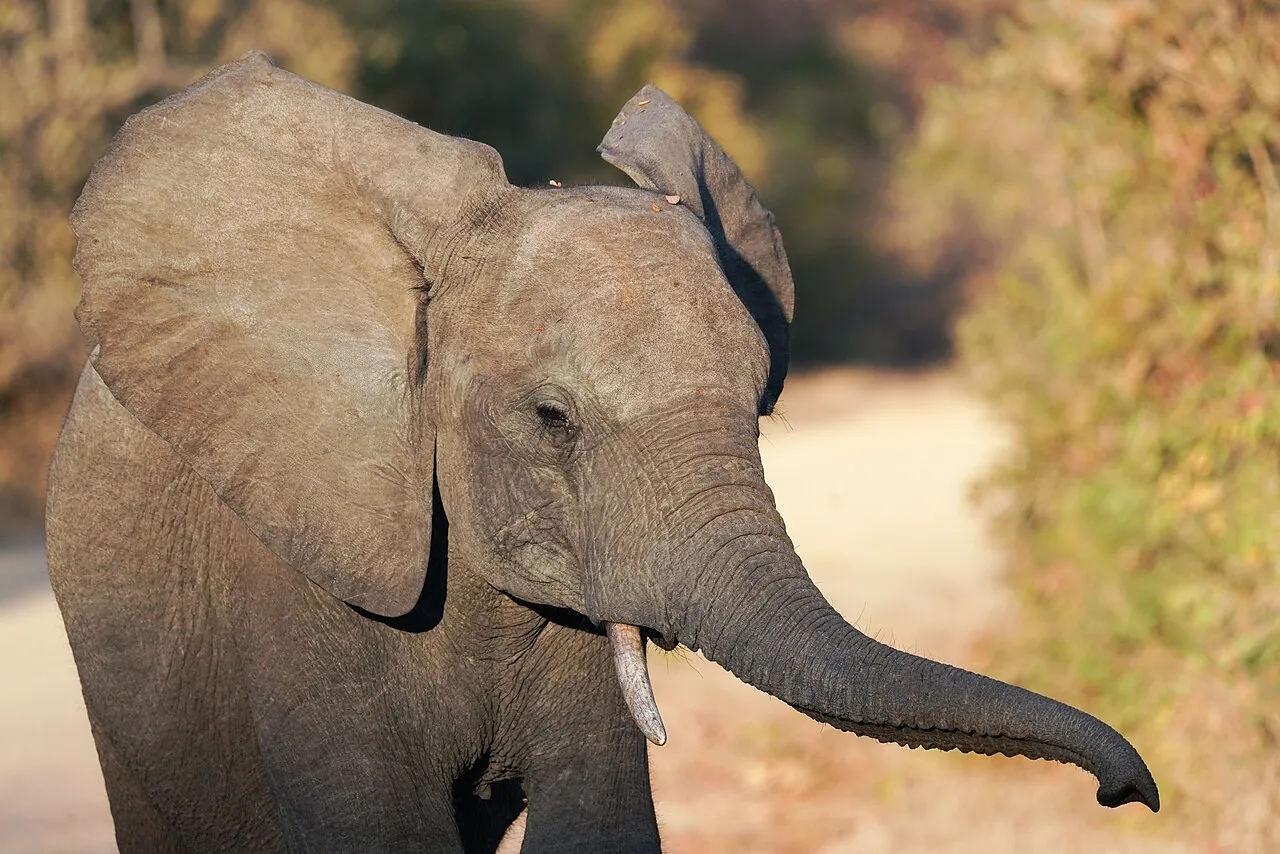
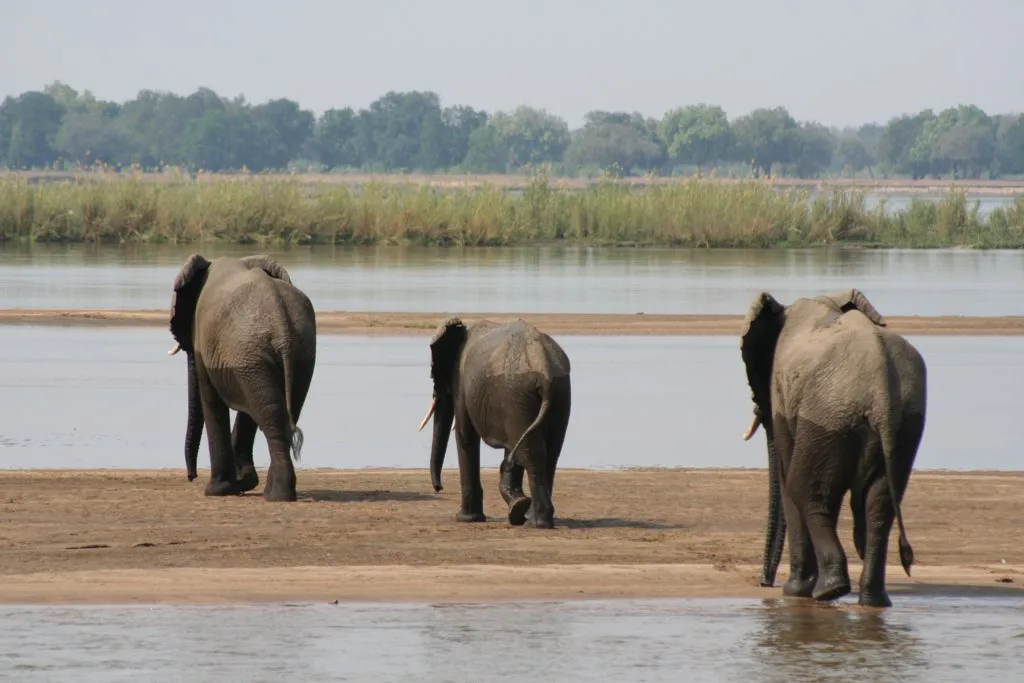
On the south-eastern edge of the city, Lusaka National Park is Zambia’s newest and smallest. It was established in 2011, officially opened in 2015 and covers 6,715 hectares9 of former forest reserve, all of it fenced. It is reached along the Leopards Hill Road3 and has a high viewing platform and several roads for a drive past antelope and other plains game. There is no accommodation inside, as the park is within easy reach of the city’s hotels, but there is a campsite.
Munda Wanga, Lilayi and Kalimba
On the southern side of town, Lilayi Lodge sits in its own private game reserve, and further along is the Munda Wanga Environmental Park, with botanical gardens and an animal sanctuary where rescued wild animals, including lions and cheetahs, are rehabilitated for release. Munda Wanga started in 1956 as a private garden5. Kalimba Reptile Park is the place to see crocodiles and snakes3 and then grab a beer and a sandwich.
Getting around
Kenneth Kaunda International Airport is off the Great East Road; major hotel groups can arrange airport transfers, and Avis and Europcar have a strong presence. Intercity buses leave mainly from the Inter-City Bus Terminus on Dedan Kimathi Road; the trip to Livingstone covers 482 km and takes around 7 hours5. The domestic railway runs to Livingstone, Kapiri Mposhi and the Copperbelt3, and at Kapiri Mposhi it meets the Tazara line to Tanzania. More on routes across the country is on the getting around Zambia page.
Most commuters get around in minibus taxis3, which can be cheap but crowded. Most routes run to and from the four major bus stations in the city centre, known together as “town”, and the destination is not posted on the vehicle. If a bus is taking on passengers, the conductor will likely be shouting it through the window. Taxis are sky blue or light grey, have no meters, and you should set a price before getting in. Cairo Road and much of the city frequently become very congested4, and walking around the city at night is foolish5. The UK Foreign Office advises you to pre-arrange transport to avoid walking at night10. See safety in Zambia before you go.
Where to stay by area
The east of the city, around the Great East Road and the Arcades and Manda Hill malls, puts you near the shopping malls3 and on the road to the airport. Two of the backpacker hostels are in Fairview. Lusaka also has a type of mid-range “executive lodge” aimed at Zambian businessmen and civil servants5, usually a bedroom, breakfast, a bar and off-street parking, at less than half the price of the top-end hotels. The where to stay in Zambia page covers the options across the country.
Day trips
Kabwe lies 100 kilometres11 north on the road to the Copperbelt. Siavonga, on Lake Kariba, is about 2½ hours away5. Further out, Kafue National Park is reached on the M9 or Mongu Road12, which bisects the park, and the Lower Zambezi National Park can be reached by self-drive from Lusaka on the T413 or, quickest but likely most expensive, by flying from Lusaka to the Royal or Jeki airstrips.