Why go
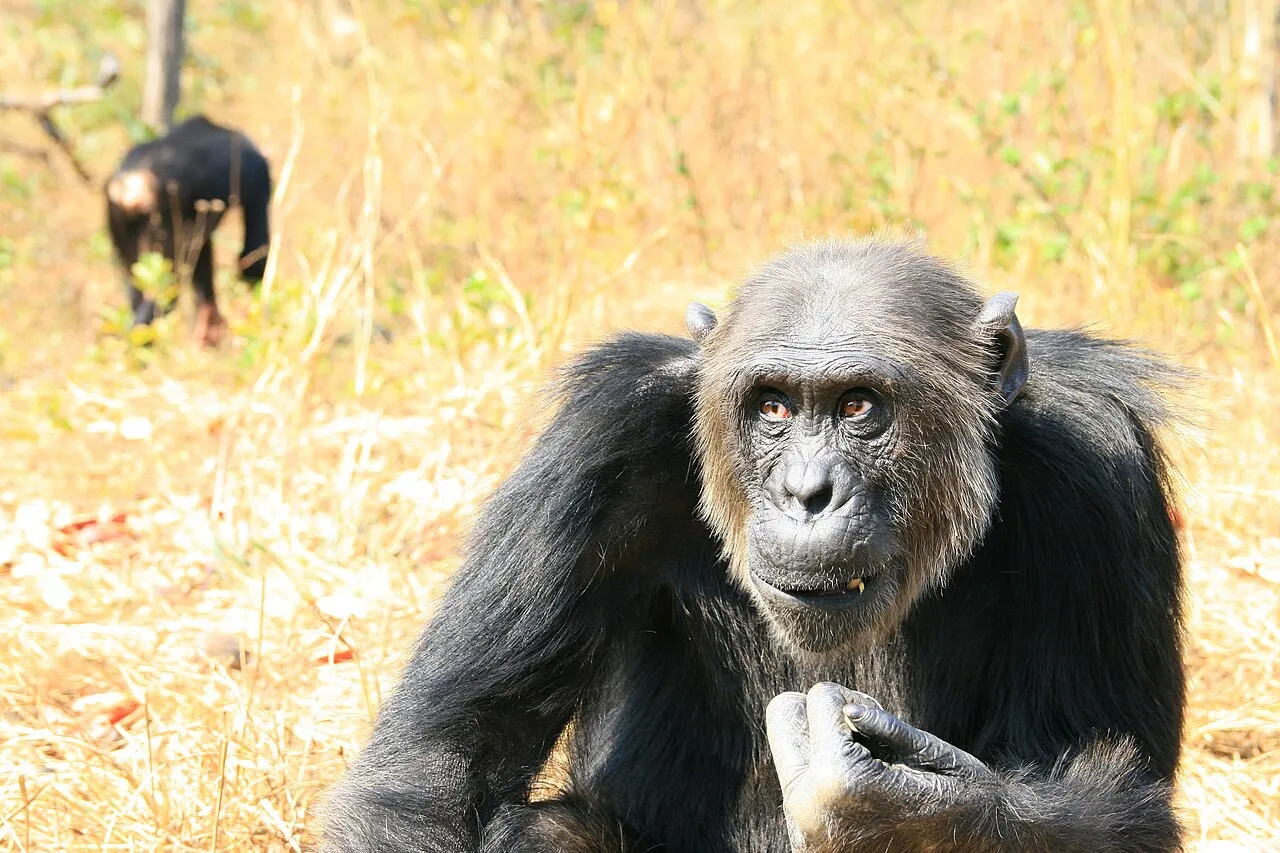
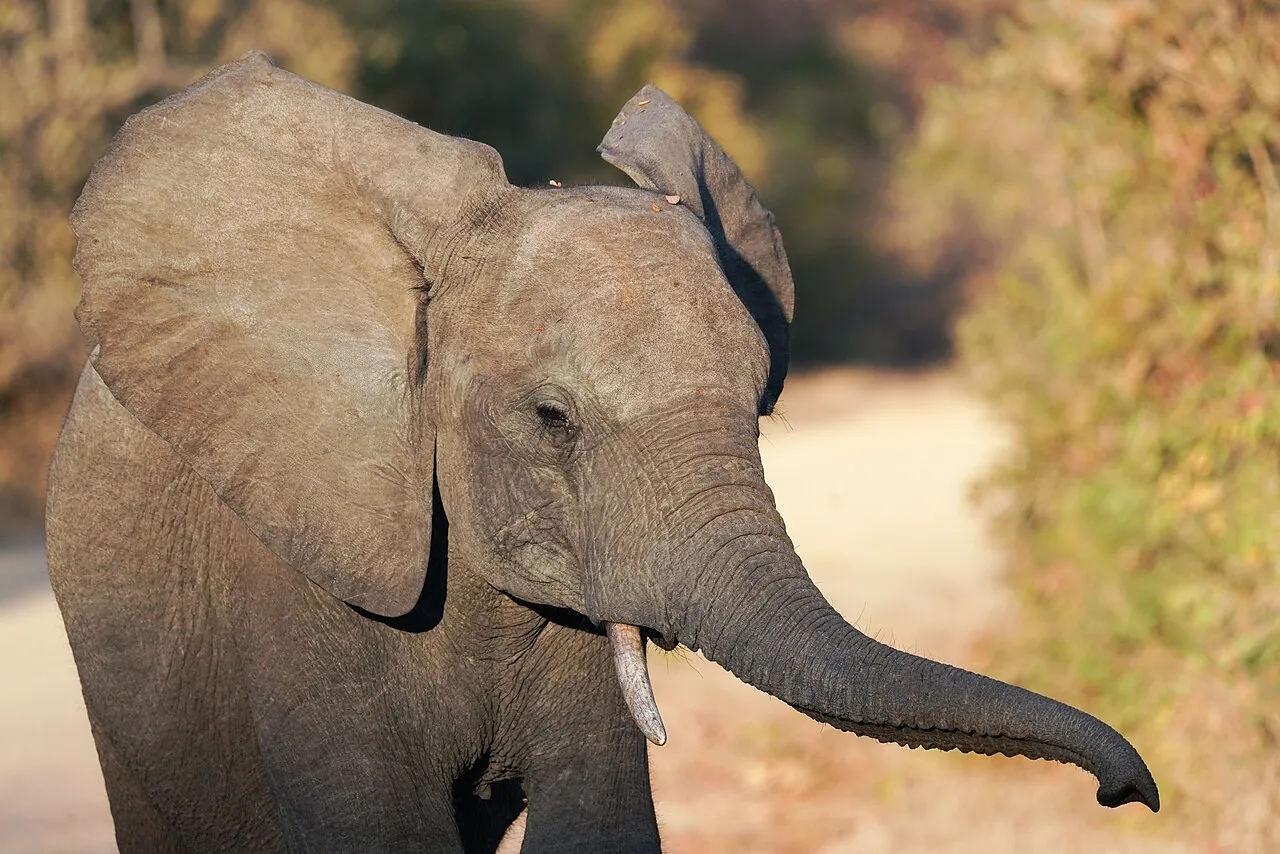
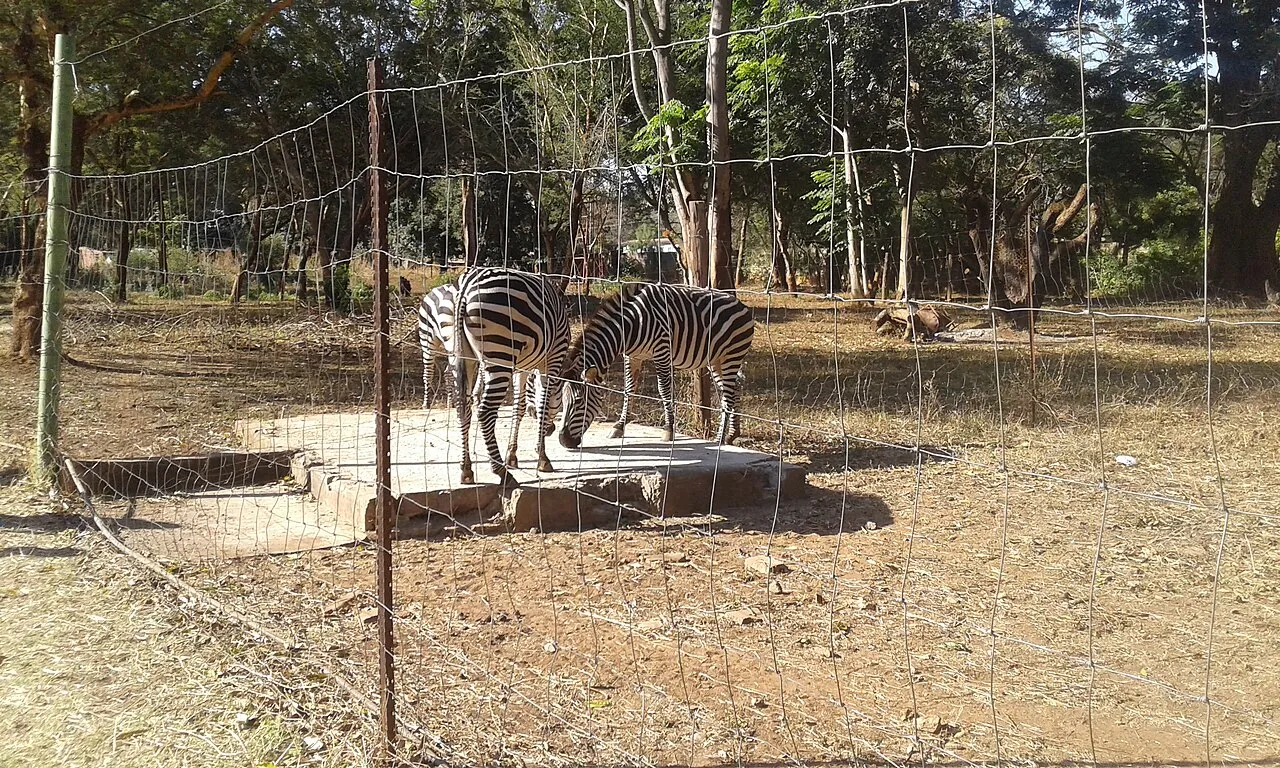
Munda Wanga Environmental Park lies on the southern side of Lusaka, past Lilayi Lodge, and combines botanical gardens and an animal sanctuary. The travel guide Zambia Tourism says rescued wild animals are rehabilitated there for reintroduction into the wild, including lions and cheetahs1. The garden’s postal address is in Chilanga2, Lusaka Province.
Ralph Sander, a colonial civil servant in the department of Game and Tsetse Control, founded the botanical garden in 1950 and called it Munda Wanga, “My Garden” in Nyanja. Botanic Gardens Conservation International (BGCI) credits him with an enviable reputation as a botanist and with the establishment of many parks, gardens and tree-lined avenues2 in Lusaka.
What you will see
The botanical garden is the original part. Sander developed it to introduce new species to Zambia and as a place where young Zambians could show their skills as sculptors, artisans and bricklayers3. The World Zoo Database’s history of the park, taken from the park’s own site in 2009, says its complicated hard landscaping still survived then. BGCI’s garden record lists a landscaped area of 10 hectares, with approximately 30 %2 of the plant collection made up of indigenous plants.
In 1968, with the gardens struggling to meet their costs, the Government of Zambia bought them and added a large area of land to develop a collection of animals. After copper prices fell, Munda Wanga passed between government departments and private entities. The gardens became overgrown, and many animals died when food supplies dried up. In 19983 a 25-year lease was signed with the Munda Wanga Trust. By 2009, according to the same history, the animals lived in open-topped enclosures with enough space to hide, run, hunt or graze, and the plants in the gardens were identified.
An Environmental Education Centre was added in 20003 and became the starting point for a tour of the gardens and the wildlife sanctuary; several embassies funded it. BGCI’s record lists guided tours2, education signs in the garden, a shop and plant sales.
Visiting
Zambia Tourism mentions a pool and barbecue area besides the gardens and the sanctuary. Lusaka’s rains fall between November and April1, and it can get very hot between October and March if there is little rain.
Getting there
Kenneth Kaunda International Airport, which receives most international flights, lies 14 km from the city centre. In the city most commuters use mini-bus taxis1, which can be cheap but crowded, and international car-rental firms such as Avis and Europcar have a strong presence.
Nearby in Lusaka
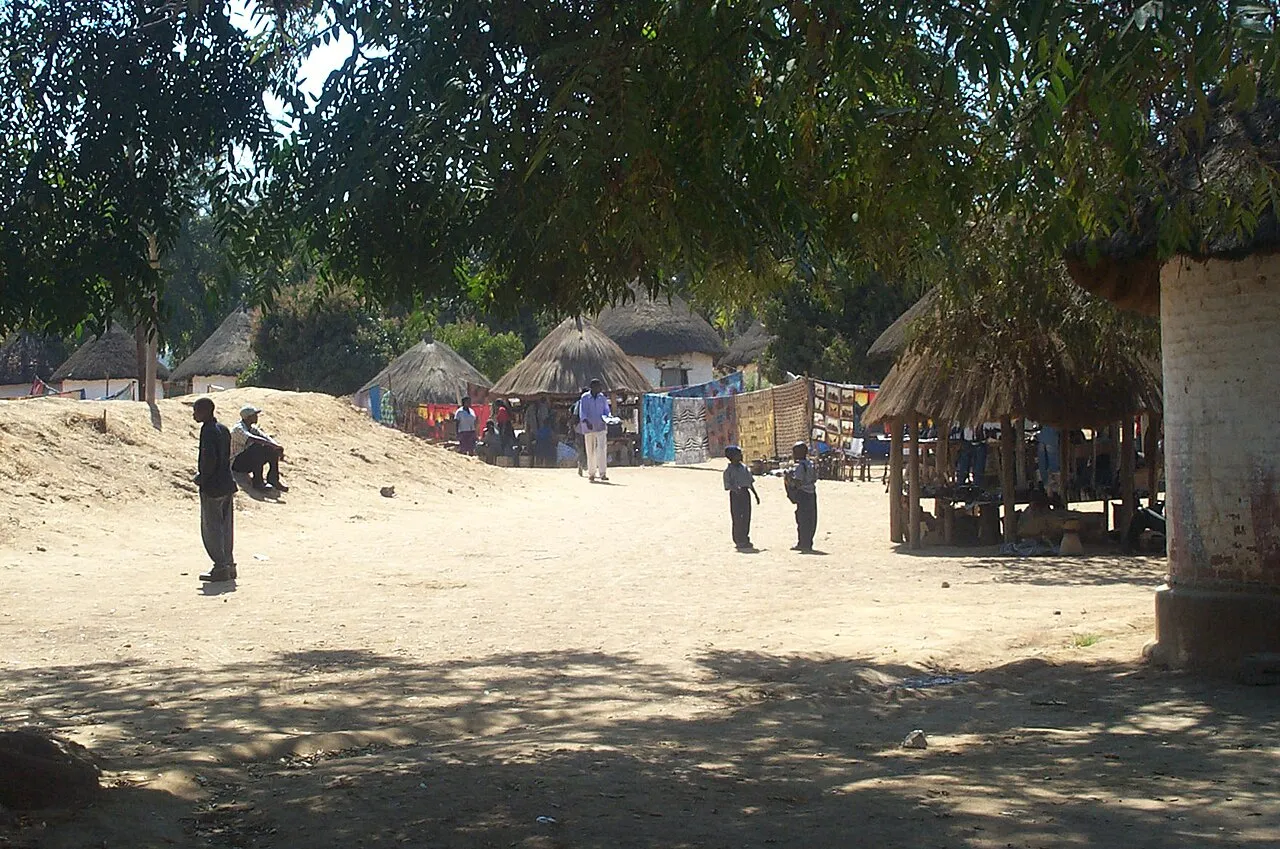
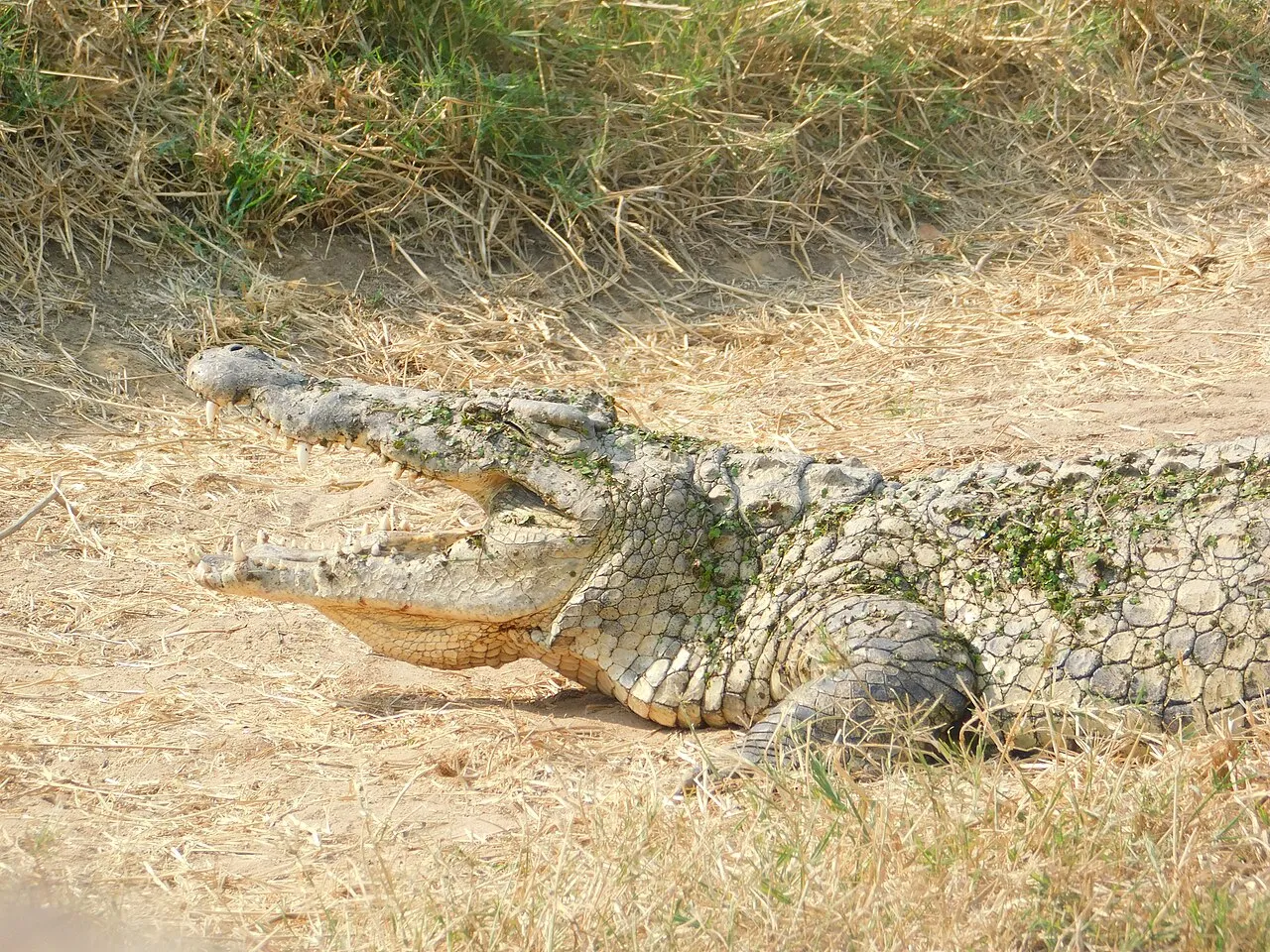
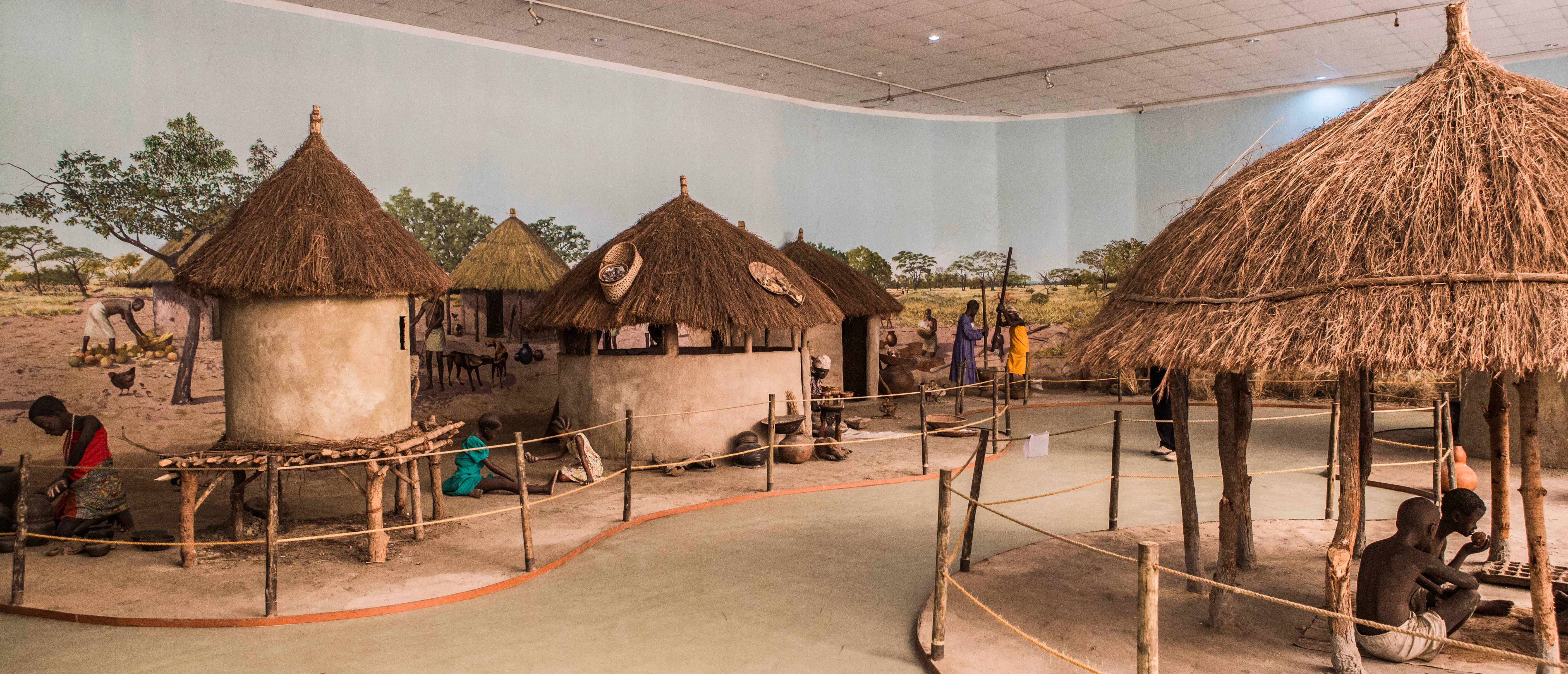
Kalimba Reptile Park is the place to see crocodiles and snakes and then grab a beer and a sandwich. In town, the Lusaka National Museum shows contemporary Zambian paintings and sculpture, and Kabwata Cultural Village sells curios and crafts1.