Why go
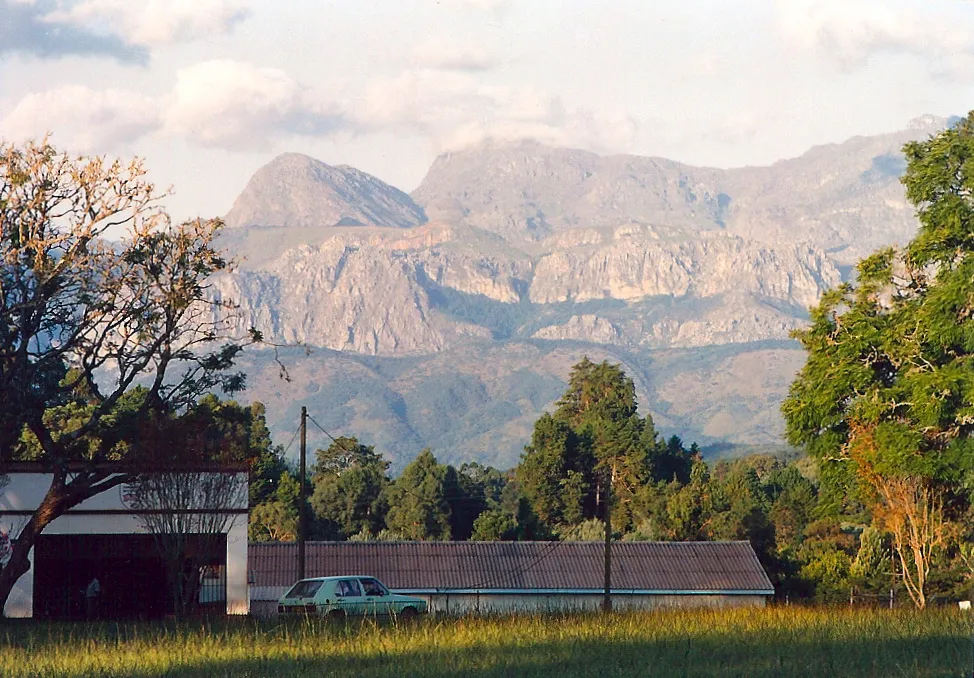
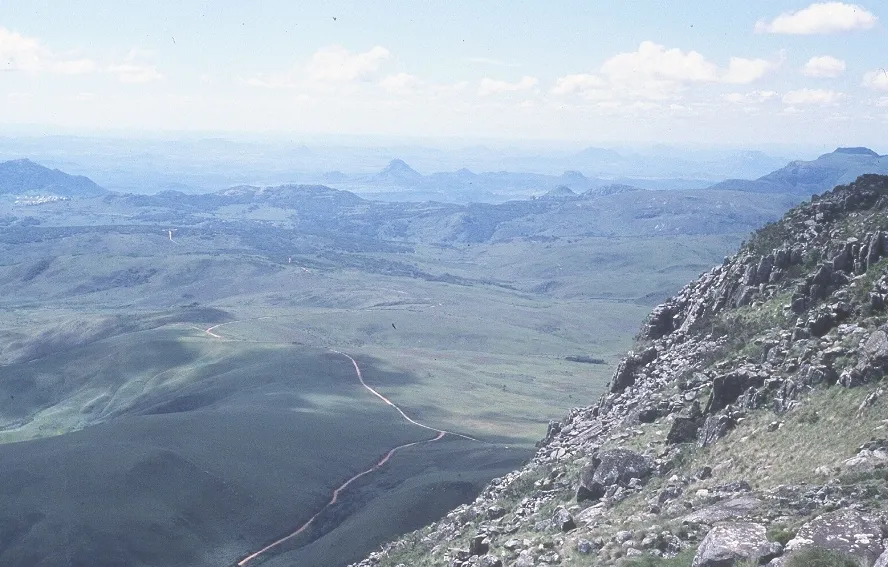
Nyanga National Park sits in the far north of Zimbabwe’s Eastern Highlands and holds two national records at once: Mount Nyangani, the country’s highest peak at 2,592 m, and Mutarazi Falls, its tallest waterfall at 762 m1. That combination of a high, cool montane landscape and genuine wilderness close to good roads makes it a park for walkers more than game drivers, though there is game here too.
The park rewards a few days rather than a single afternoon: a morning’s hike into the highlands, an afternoon’s fly fishing on one of the trout lakes, and a slower day watching for the park’s birdlife add up to a different trip than the lowveld safari parks further west.
What you will see
Hiking is the park’s main draw, and the best-known route is the ascent of Mount Nyangani itself, the high point of the whole country. The reward at the eastern edge of the park is Mutarazi Falls, where the Mutarazi River drops over the escarpment in two stages to a total of 762 m1, making it Zimbabwe’s tallest waterfall.
Game here is montane rather than big-five: expect zebra, waterbuck, wildebeest, klipspringer, kudu and eland, with leopard, hyena and the occasional lion present but seldom seen. Birdwatchers have more to work with, with over 300 species recorded and the best variety during the migratory season from November to April1.
Fly fishing is a long-standing draw too: the Mare, Rhodes, Gulliver and Purdon lakes are stocked and fished for trout, a legacy of the park’s colonial-era trout-farming history and still one of the more distinctive things to do here compared with Zimbabwe’s other parks.
Visiting: hours, admission, booking
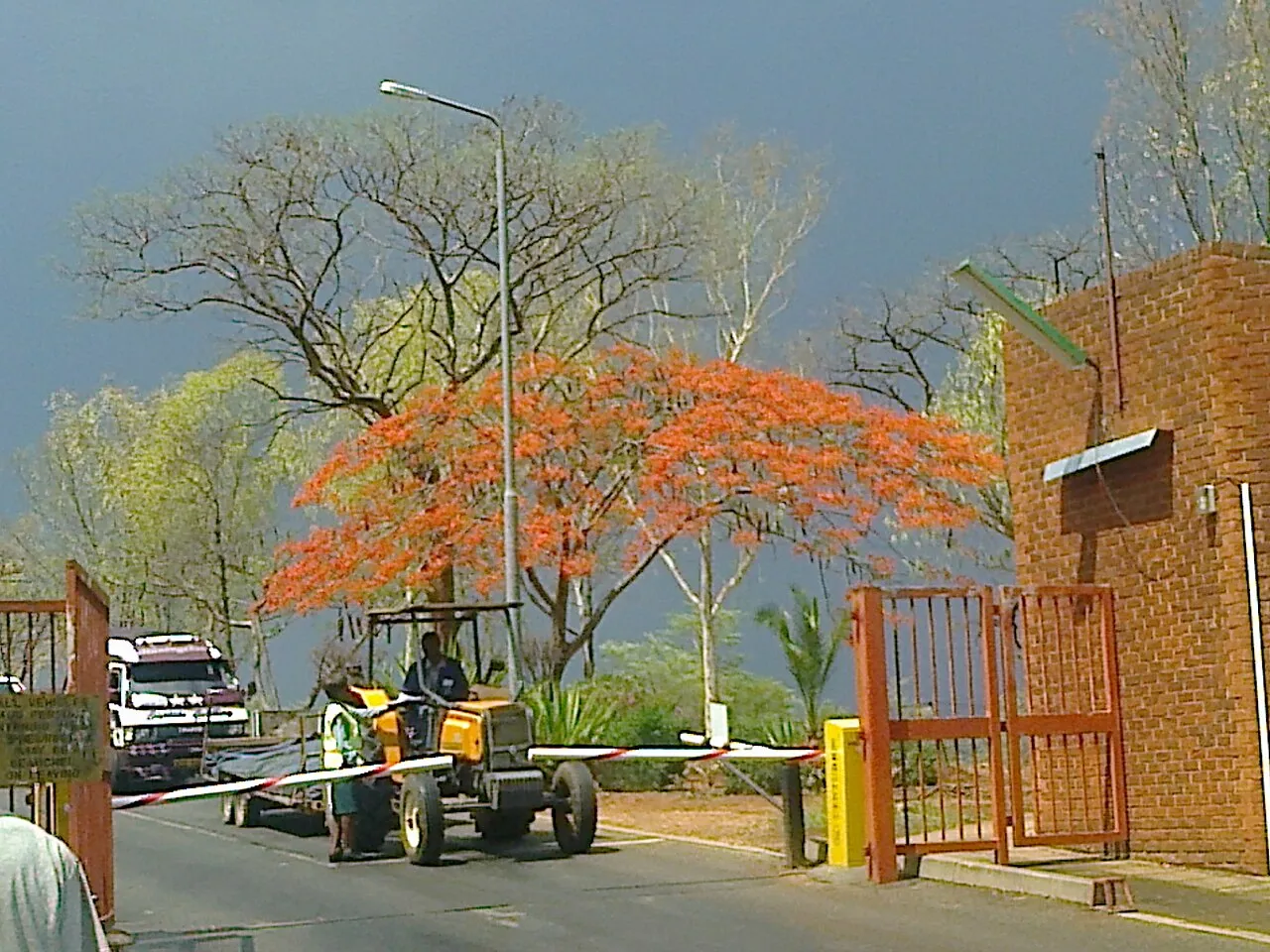
The facts box above shows the current ZimParks day-visitor conservation fee. ZimParks prices Nyanga’s fee by residency and by whether you are staying overnight in park accommodation, with a lower rate for the latter, and a separate vehicle entry fee applies on top of the per-person fee. Pay at the park gate; check the current rate schedule on the ZimParks site before you go, since fees are revised periodically.
Accommodation inside the park ranges from the Rhodes Nyanga Hotel to self-catering lodges and cabins in the Mare, Udu and Rhodes clusters, plus standard and undeveloped camping for anyone with their own gear. Booking ahead matters more here than at the gate-only day fee suggests, since the lodge clusters are popular with Harare weekenders.
Getting there
Nyanga lies in Manicaland Province, reached via the A3 from Harare or Mutare1 onto the A14 and A15 toward Juliasdale, the small town that serves as the park’s gateway. There is no scheduled public transport into the park, so a hire car, transfer or organised tour is the practical way in. Mutare is the nearest city with an airport link and a reasonable road connection, making it the usual base for travellers approaching from the south.
Nearby
Mutare and the Bvumba Mountains lie further south along the same Eastern Highlands escarpment, within reach for travellers who want to pair Nyanga with a second stretch of mountain scenery rather than treating it as a single stop. Further south again, the Chimanimani Mountains close out the Eastern Highlands chain for anyone building a longer trip through the region.
_Tg7jU.webp)