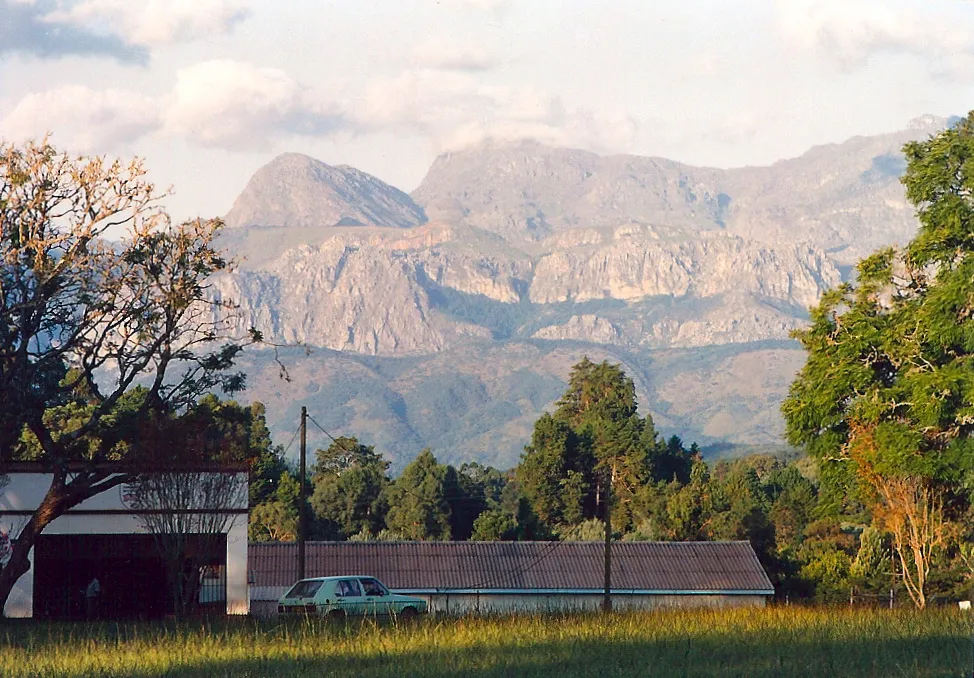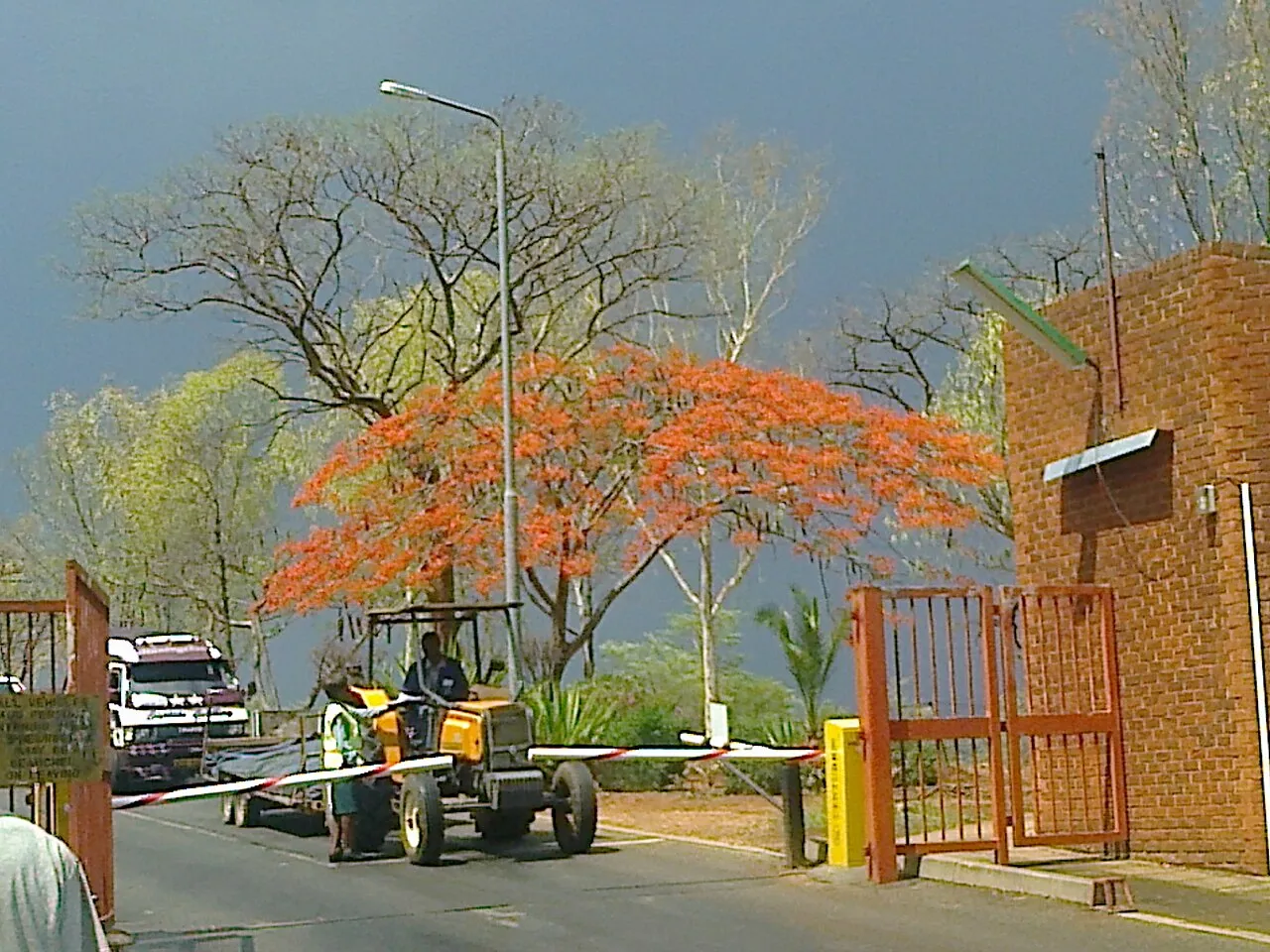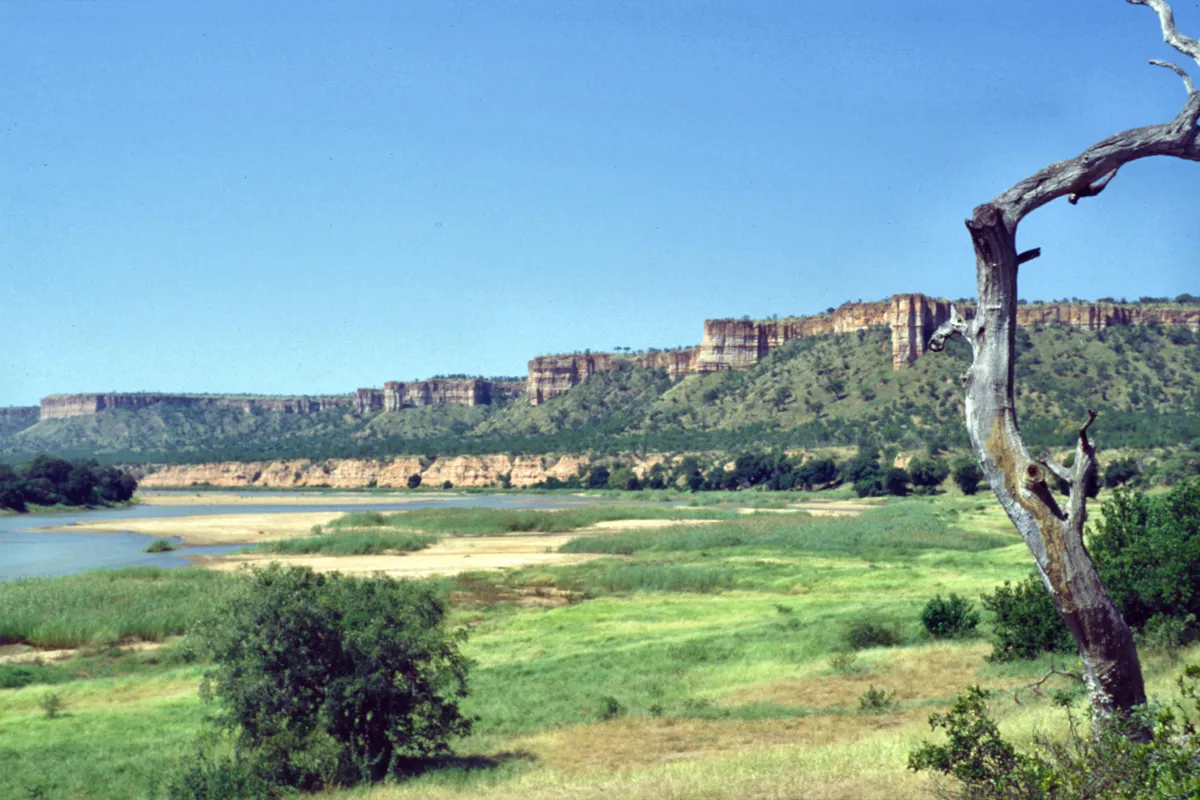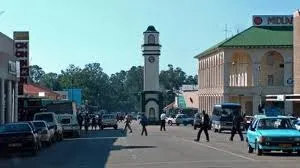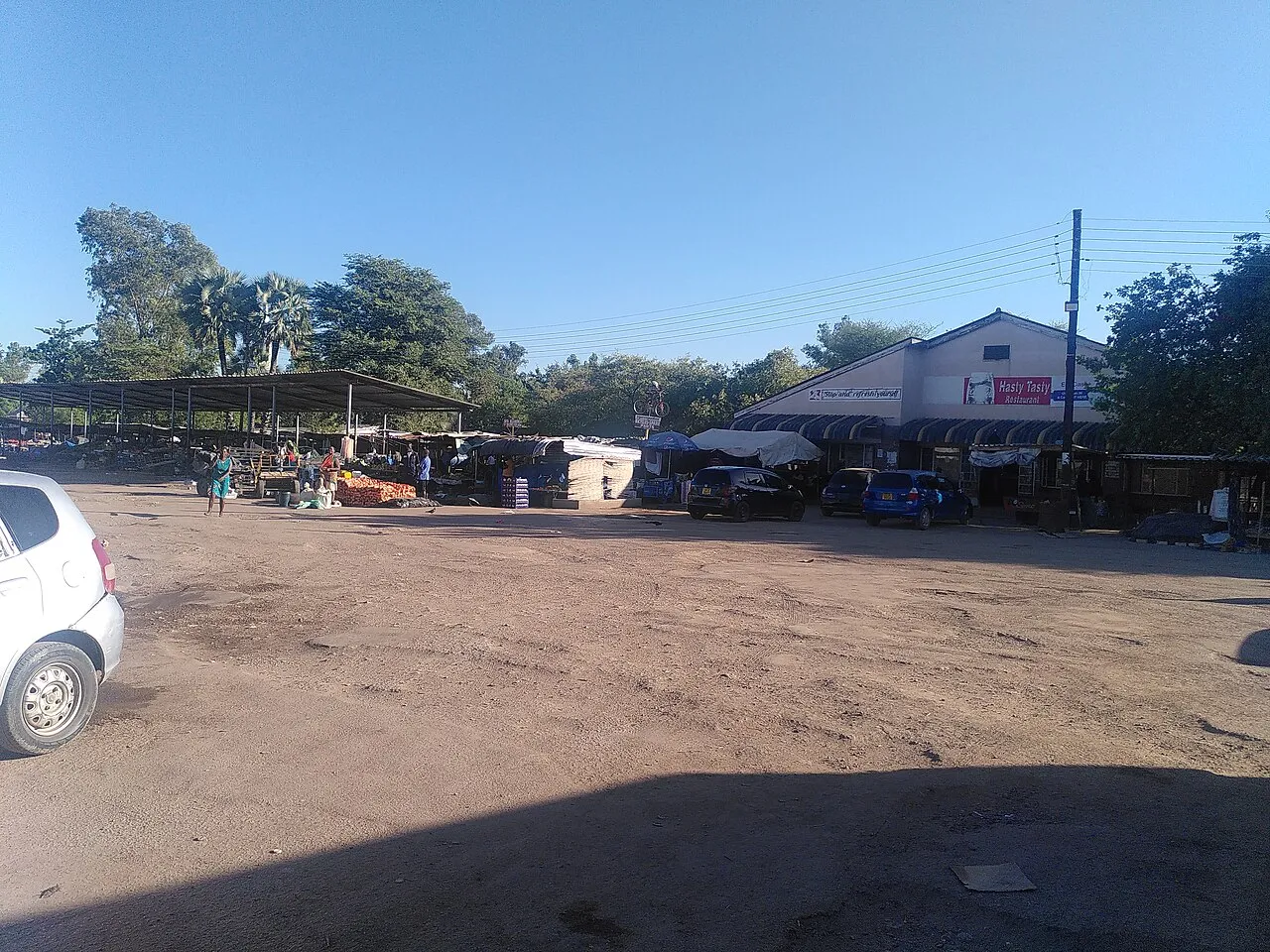
Hwange is a coal-mining town in Matabeleland North, in Zimbabwe’s north-west, with 39,750 people1 counted in the 2022 census. It was known as Wankie until 1982, when it took the name of the local chieftainship, and it exists because of coal: the seam here was discovered in 1895 by the American scout Frederick Russell Burnham, and Hwange Colliery grew into Zimbabwe’s largest coal operation. The town’s worst day came in 1972, when an underground explosion killed 427 miners2, the country’s deadliest mining disaster. For most visitors today, Hwange matters less for the town itself than for what shares its name next door: Zimbabwe’s largest national park, right on its doorstep.
Getting oriented
The town is small and functional, built around the colliery and the Hwange Thermal Power Station, Zimbabwe’s largest power plant, constructed through the 1980s2. There is little here in the way of sights; most travellers pass through on their way to or from the national park rather than basing themselves in the town centre for its own sake.
Highlights
Hwange National Park, immediately next to the town, is Zimbabwe’s largest at 14,651 km², first set aside as a game reserve in 1928 and upgraded to national park status in 1961. It holds more than 100 mammal species and 400 bird species3, including large elephant herds that have grown well beyond what the park can naturally support, and one of Africa’s larger surviving populations of African wild dog. Main Camp, the park’s principal entrance and the one closest to Hwange town, is the usual base for game drives; see the country’s things-to-do guide for current entry fees and the where-to-stay guide for lodges and ZimParks camps inside the park.
Getting around
Hwange has its own small airstrip, Hwange Town Airport (WKI)4, but it sees little scheduled traffic; visitors flying in almost always use Victoria Falls Airport instead, roughly 100 km2 to the north-west, and then transfer by road or light charter. Self-driving or an organised transfer from Victoria Falls or Bulawayo is the practical way to reach both the town and the park gates.
Where to stay by area
Few travellers stay in Hwange town itself; the practical choice is a lodge or ZimParks camp inside or near the national park, close to Main Camp or one of the other entrances, which cuts down on early-morning transfer time for game drives. The where-to-stay guide covers the range from budget camping pitches to high-end safari lodges.
Day trips
Everything worth the detour from Hwange is the national park itself: game drives out of Main Camp, Robins or Sinamatella cover different parts of the park’s waterholes and teak forest, and are best arranged through a lodge or registered guide rather than self-driven on a first visit.
_Tg7jU.webp)