Why go
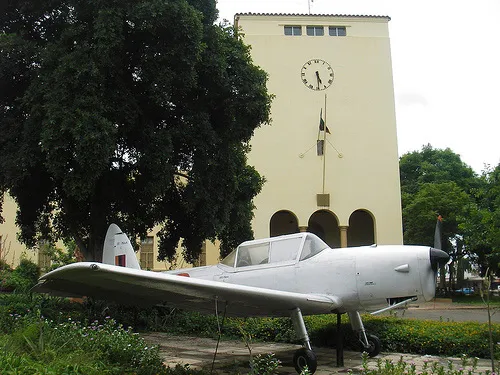
Livingstone has become a base for travellers exploring Victoria Falls, and the Livingstone Museum is where the country behind the waterfall gets explained. The museum describes itself as the largest and oldest museum in Zambia, established in 1934 in the heart of the town. It holds collections in Zambian archaeology, history, culture and natural history, and it is best known for its collection of David Livingstone letters and memorabilia2. The national tourism site agrees on the ranking, calling it the country’s biggest and oldest museum1.
It is a national museum, one of five in Zambia3 run under the National Museums Board within the Ministry of Tourism and Arts. Come before or after a day at Victoria Falls: its galleries cover archaeology, ethnography, natural history, David Livingstone and history2 under one roof.
What you will see
The collections are older than the museum. They go back to 1930, when the government set aside money for district officers to buy cultural artefacts from ethnic groups whose material culture was fast dying out. The museum opened in 1934 in the old Magistrate’s Court and became the David Livingstone Memorial Museum that same year. After a move to the former United Services Club in 1937, it got its own building, designed by Major W J Roberts in Spanish style, completed in 1950 and officially opened in 1951. A natural history wing followed in 1966, the year the Rhodes-Livingstone Museum took its present name3.
The Archaeology gallery traces human evolution and cultural development in Zambia from Stone Age to Iron Age. Its highlights include Broken Hill Man skeletal and associated material, cave art, Iron Age tools, pottery and copper work, with finds from sites such as Broken Hill (Kabwe) Mine4 in Kabwe and the Nachikufu Caves in Mpika.
The Ethnography gallery looks at how traditional life stands with modern life. It contains a life size village household and a retail store that bridges the village and town scenes, and closes with the traditional rituals a person passes through from birth to death. Objects on show include basketry, pottery, agricultural implements5 and items tied to belief systems.
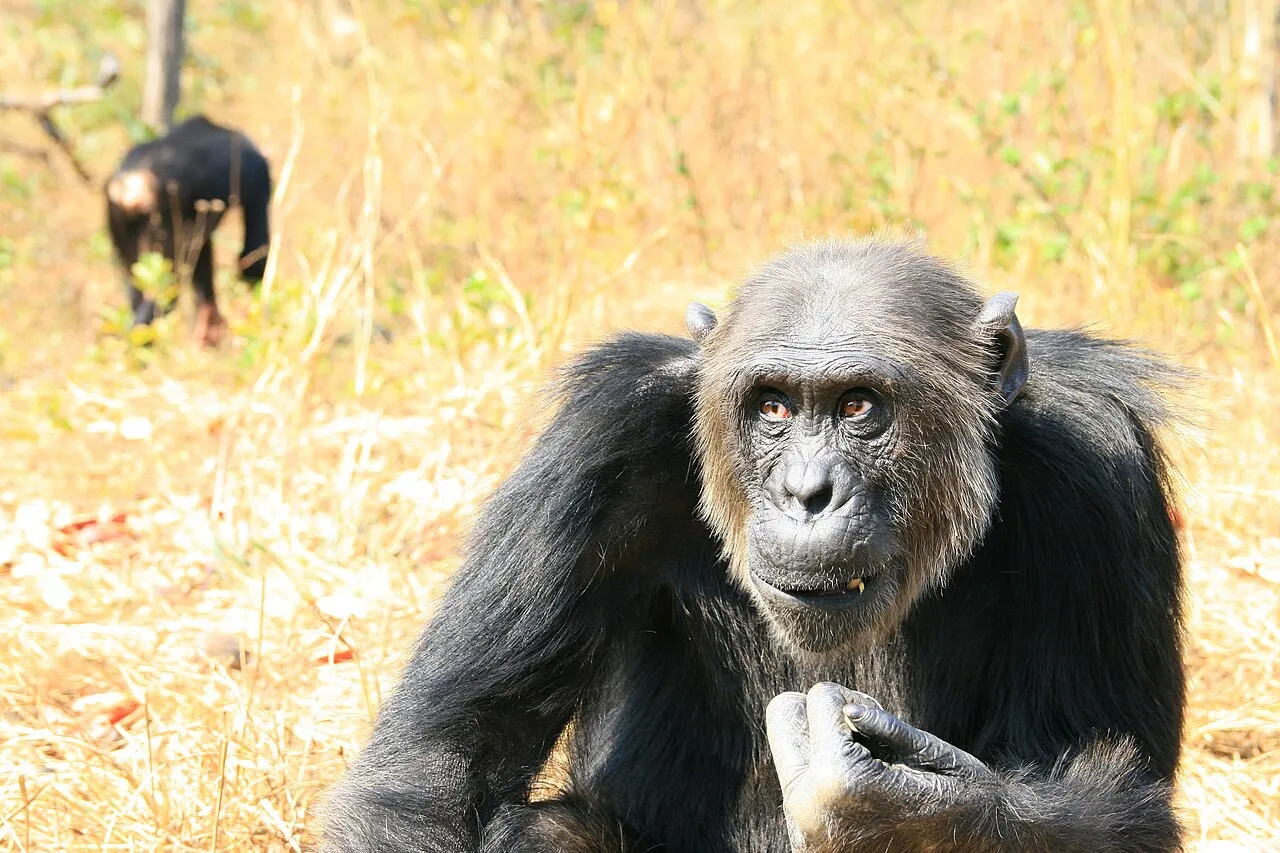
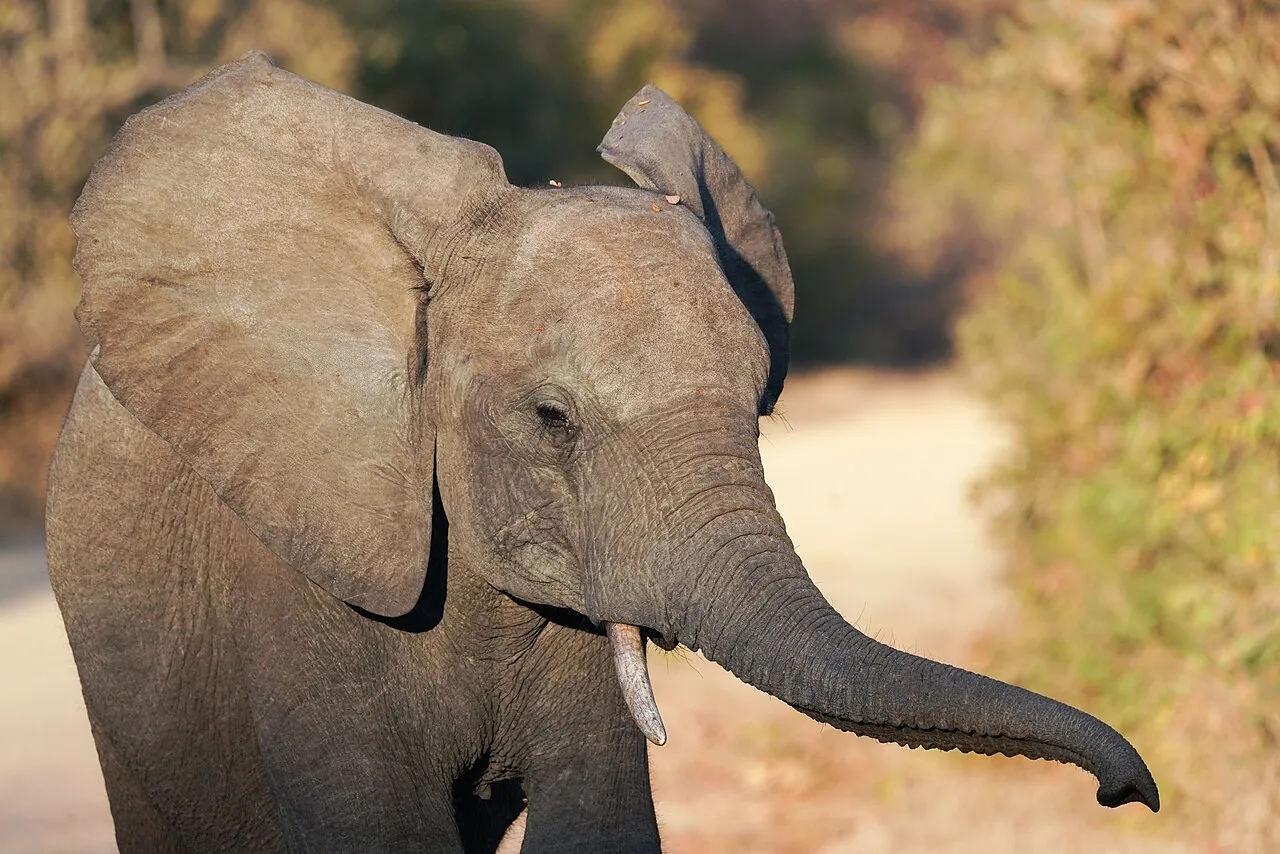
The Natural History gallery shows Zambian animals and plants in their natural habitat, from insects and frogs to birds and mammals. Look for the scaly pangolin, the scavenging hyena and black mamba, and for the display of Zambia’s three types of Lechwe antelope, two of which the museum says are unique to Zambia6.
The David Livingstone gallery follows the doctor, missionary and explorer from his early life and mission work at Kuruman to the Trans-African journey on which, in the museum’s words, he became the first white man to see the Falls, known locally as Musi-oa-Tunya. It ends with his death at Chitambo Village in 1873 and tells how companions including Chuma and Sussi carried his body to the coast some 2,000 km away. The room holds personal relics, letters, documents and photographs7.
The History gallery covers Zambia from 1550 to 2001: early chiefdoms and kingdoms, colonial rule, the Federation of Rhodesia and Nyasaland and the struggle for independence, achieved in 19648. Temporary exhibitions9 on particular themes are added from time to time.
Visiting: what to know before you go
The museum is open every day2, public holidays included, except Christmas and New Year. Non-residents pay in US dollars and residents in kwacha, and the museum accepts cash or Visa or Mastercard. The museum’s own FAQ answers yes to whether it is suitable for children3.
Tour guides can accompany you, and the service is complimentary, though on availability only. All public areas are accessible by wheelchair2.
There is a crafts shop in the central courtyard that also sells soft drinks and water, and a restaurant just outside the main building for meals and snacks. The library, one of the oldest in Zambia, holds about 25,000 volumes of books and periodicals; it opens Monday to Friday and charges its own fee of K10 per day. School and college groups can book guided tours10 through the Education Officer.
Getting there
The museum stands at Plot 567 Mosi-o-tunya Road2, on the main road through the centre of town. You can fly into Livingstone at Harry Mwaanga Nkumbula International Airport, with Proflight scheduled planes from Lusaka. By road, Livingstone is 470km / 292mi from Lusaka; from Zimbabwe you cross the Victoria Falls Bridge and carry straight on for about 11km / 7mi1.
Nearby
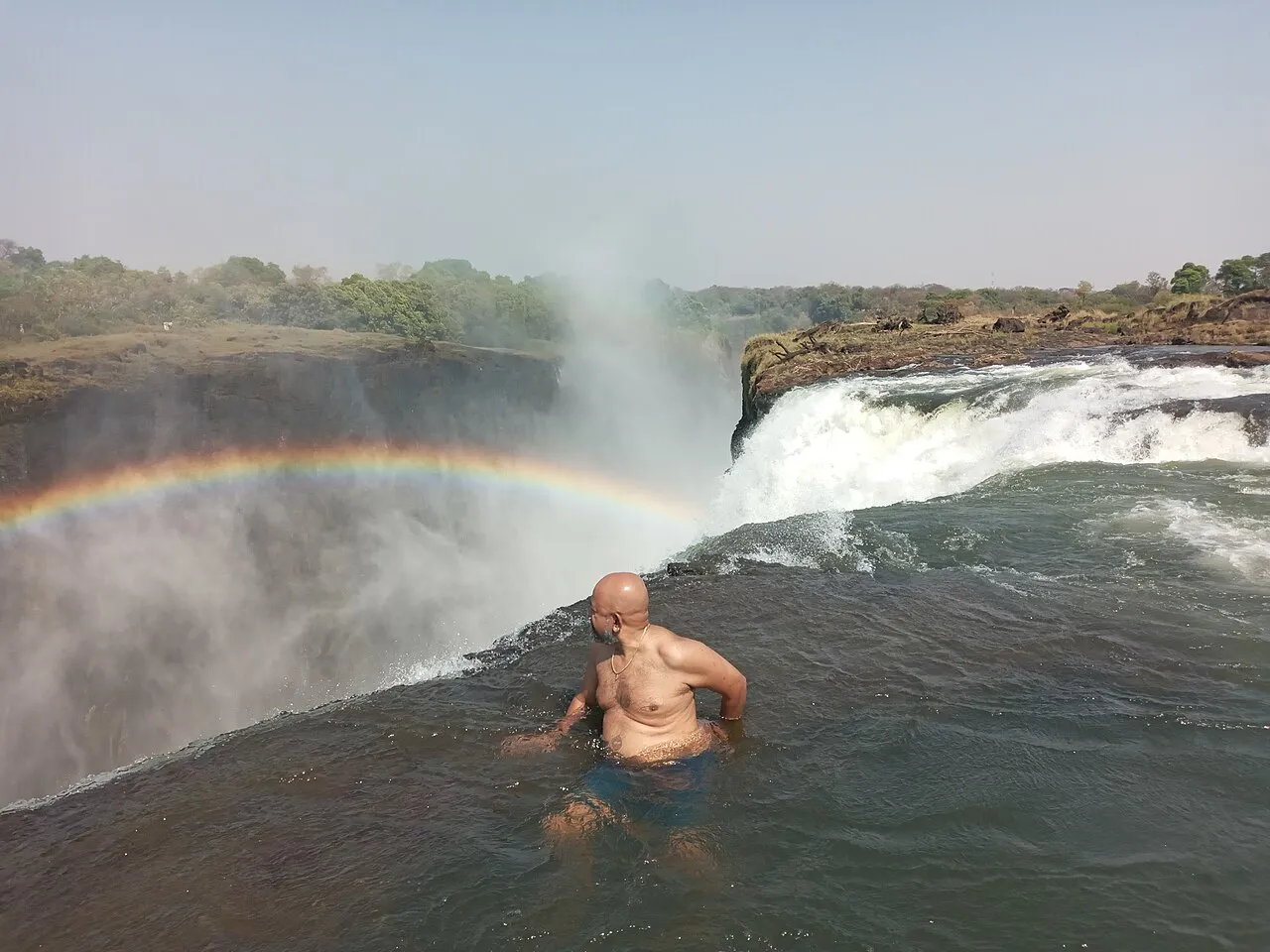
For Victoria Falls itself, UNESCO describes Mosi-oa-Tunya/Victoria Falls as the largest curtain of falling water in the world11. The operator of Livingstone Island opens Devil’s Pool from late August to late December12, subject to water levels.
Back in town, the Railway Museum on Chishimba Falls road keeps old steam locomotives, vintage coaches and photographs of the town’s pioneer days. Livingstone’s Maramba Cultural Museum preserves the arts, crafts and culture of Zambia, and the Victoria Falls Field Museum is built around an actual excavation13 of the Zambezi River through Pleistocene gravels. For souvenirs, the tourism board singles out the Mukuni Park Curio Market1.