Why go
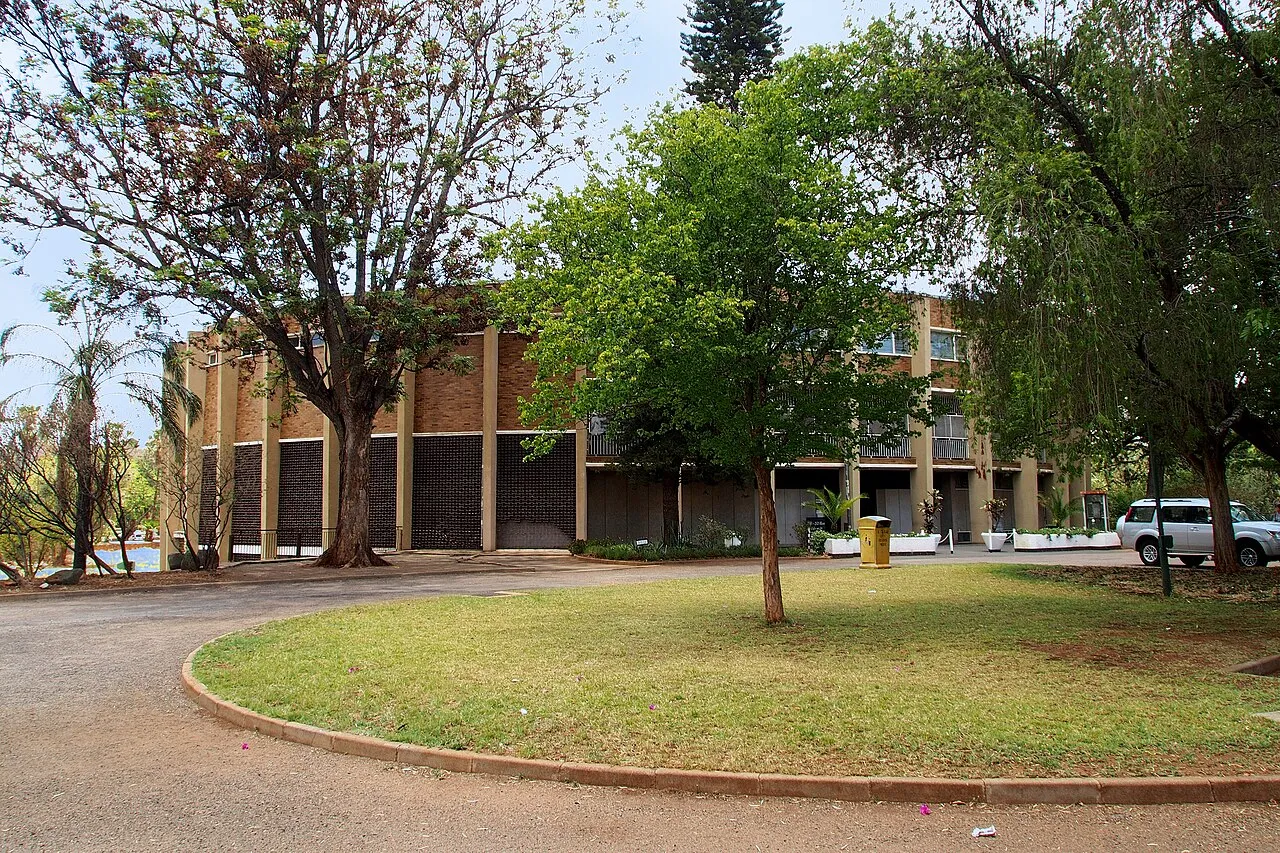
This is Zimbabwe’s only dedicated natural history museum, and the country’s oldest, tracing its origins to a mineral collection Cecil Rhodes asked to have built in 1901, opened the following year as the Rhodesia Museum. The present circular building in Centenary Park opened to the public in March 1964, and the museum took its current name in 19811, when it absorbed the natural science collections of Zimbabwe’s other national museums. It is run today by the National Museums and Monuments of Zimbabwe (NMMZ). One stop covers geology, palaeontology, entomology, ornithology, mammalogy, herpetology, ichthyology and arachnology, so it is a sensible first call in Bulawayo if you plan to head on to Hwange, Matobo or Victoria Falls and want some context for the wildlife and landscape first.
What you will see
The building itself is part of the draw: a circular, four-storey design with nine public galleries arranged around a central court. The signature exhibit is the museum’s mounted elephant, which it bills as the second-largest mounted elephant in the world; alongside it sits what the museum calls the largest and most important collection of bird skins, nests and eggs in Africa. The scale of the research holdings behind the galleries is considerable even if you only see a fraction of it on display: over five million insect specimens in the entomology department, more than 20,000 spiders, over 2,500 fossils including dinosaur material, and more than 15,000 rock, gem and crystal samples1 in geology.
Named galleries are worth seeking out individually rather than walking past: the Mennell Gallery covers geology and palaeontology, the Donald Broadley Gallery is given over to herpetology (named for the herpetologist who built much of Zimbabwe’s reptile and amphibian record), and the Livingstone Sango-Moyo Gallery holds mammalogy. The Hall of Kings and the Hall of Man step outside pure natural history into Zimbabwean history and human origins, which rounds the visit out if the specimen cases alone are not your thing. A lecture hall seating 120 and a cafeteria are on site, along with a research library that has operated since 19021.
Visiting: hours, admission, booking
The facts box above has the current opening hours and the international adult admission price; both come from the museum’s own entrance-fees page and are worth checking there before you go, since the museum sets separate, lower rates for Zimbabwean residents and for visitors from other SADC countries. Admission is paid at the entrance; the museum does not describe an online booking system, so turning up during opening hours is the normal way in.
Getting there
The museum stands in Centenary Park, on the corner of Park Road and Leopold Takawira Avenue, in the Bulawayo city centre. It’s an easy walk from most central hotels and from the Bulawayo Railway Museum at the old station, so the two make a natural pair for a single morning or afternoon. See the Bulawayo page for how to reach the city itself, including the airport and the main highways in from Harare and Victoria Falls.
Nearby
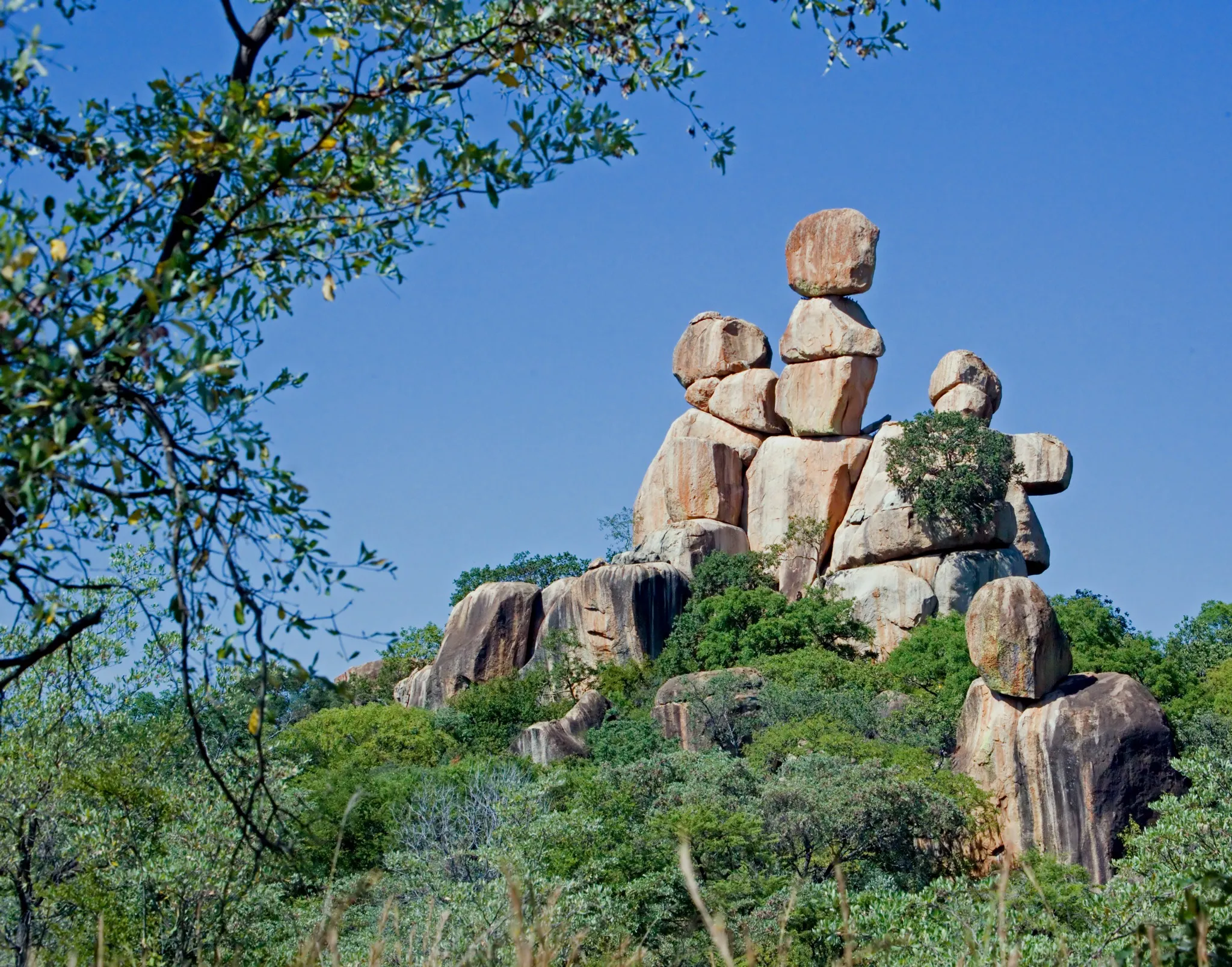
Centenary Park itself, with its amphitheatre and fountain, is a pleasant stop between museum visits. The Bulawayo Railway Museum, covered on the Bulawayo page, is the obvious next stop in the city centre. For a longer day out, the Matobo Hills and the Khami Ruins — both, like this museum, under NMMZ’s care — lie a short drive south and west of the city.
_1qw0PE.webp)
_Tg7jU.webp)