Why go
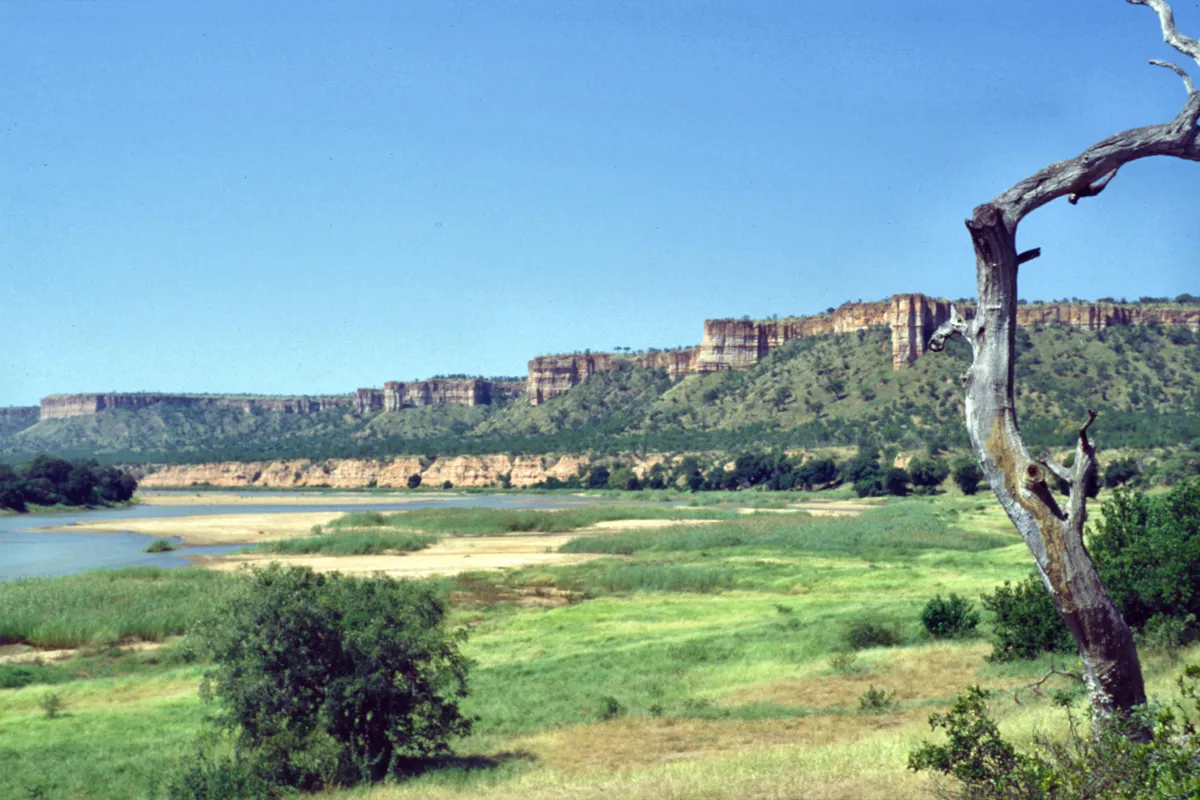
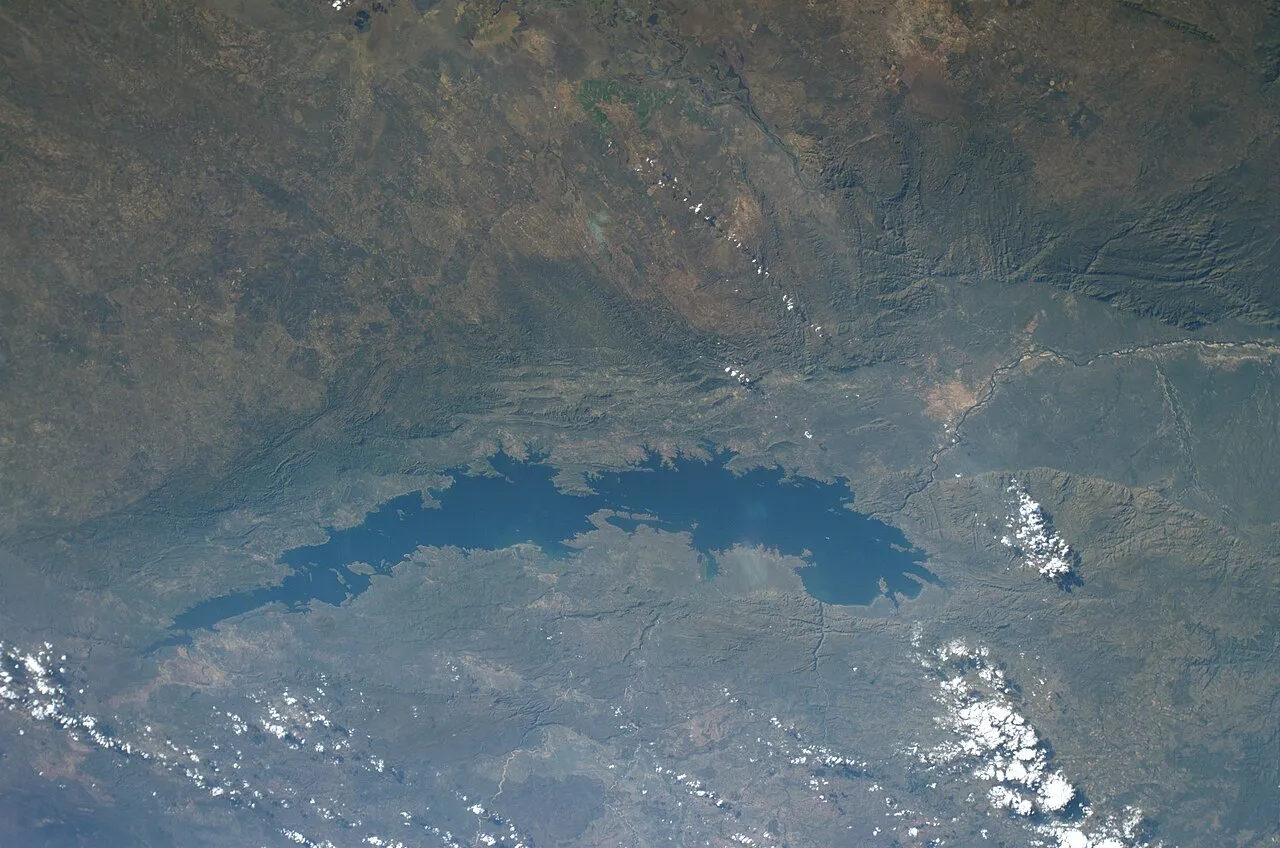
Matusadona National Park sits on the southern shore of Lake Kariba, between the Ume and Sanyati rivers, and covers about 1,470 km² of shoreline grassland, valley woodland and escarpment. Unlike the town across the water, there is no road straight in: most visitors reach it by boat from Kariba1, which keeps the park quieter than Zimbabwe’s bigger, road-accessible reserves and gives it a reputation as one of the wilder places to see game come down to drink at the water’s edge.
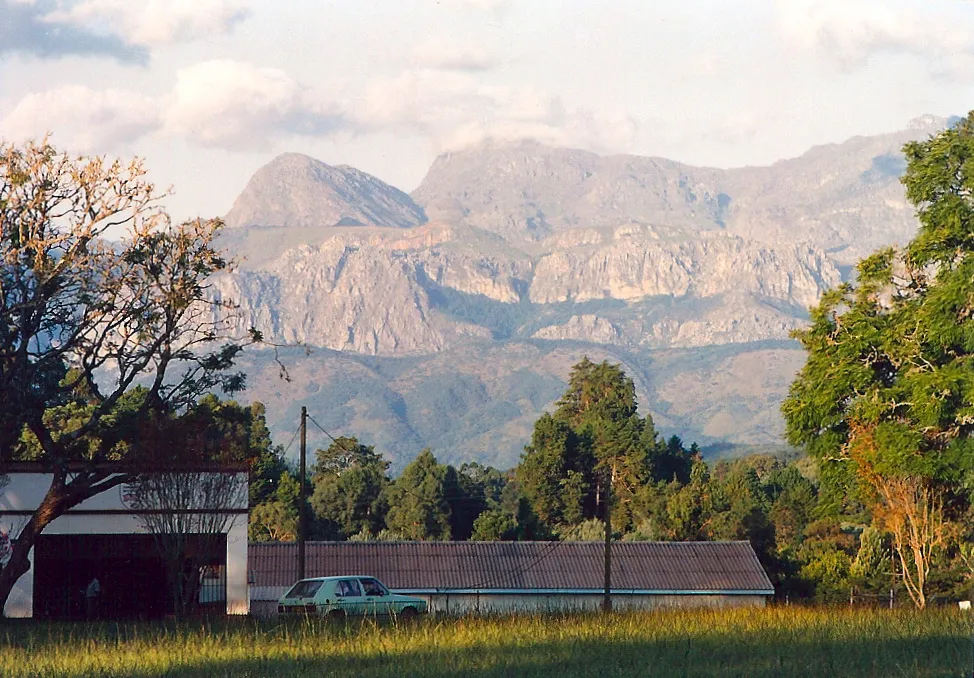
It was proclaimed a national park in 19751 and takes its name from the Matusadona hills that rise behind the lake. In 2019 the Zimbabwe Parks and Wildlife Management Authority (ZimParks) invited African Parks into a 20-year co-management agreement2 for the park, now run through the Matusadona Conservation Trust, a partnership that has funded anti-poaching and rhino-monitoring work since it began.
What you will see
The park holds all of the big four1 — elephant, lion, buffalo and leopard — and is run as an Intensive Protection Zone3 for black rhino relocated here as part of Zimbabwe’s rhino conservation effort, making it one of the few places in the country to have a realistic chance of seeing one. Game viewing is built around the lake itself: a sunset cruise or boat safari along the shoreline is the standard way to watch elephant and buffalo at the water’s edge, in a landscape of drowned trees left standing since the lake was flooded.
Away from the shore, the park spans three distinct ecological zones: the grassland fringing Lake Kariba, the Zambezi Valley floor with its mopane woodland and thickets, and the Matusadona escarpment, covered in Julbernardia and Brachystegia woodland3. A game drive or walking safari on the valley floor and escarpment adds the woodland species a boat trip alone will not show you.
Visiting: hours, admission, booking
ZimParks has not published a separate admission tariff for Matusadona, unlike Hwange, Mana Pools and Victoria Falls; check current rates directly with ZimParks1 or your lodge or operator before you go. The park’s headquarters and airstrip are at Tashinga, on the lakeshore, and most stays are arranged through a lodge or houseboat operator rather than booked at a gate.
Getting there
The practical way in is by boat from Kariba town, a trip usually arranged as part of a lodge stay or houseboat charter rather than booked independently, since the park has no public ferry. For those driving, road access runs via Karoi and Binga1, a long way round the lake compared with crossing it by water, and most visitors who drive combine it with a wider loop through the region rather than a direct trip to the park alone.
Nearby
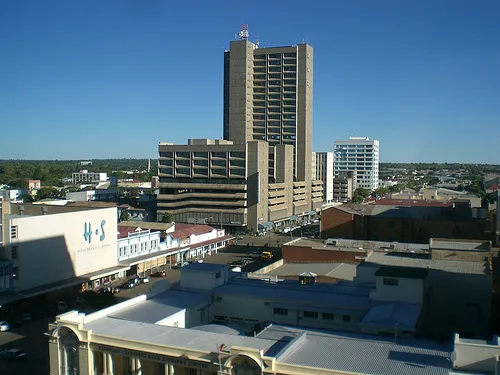
Kariba town is the usual base before or after a stay in the park, with the dam wall, fishing charters and houseboat operators that can arrange the crossing. Lake Kariba itself is the link between the two: the stretch of shoreline along Matusadona is quieter and wilder than the water nearer Kariba town, and a boat safari along it is often sold as an extension of a standard lake cruise.
_Tg7jU.webp)