On the Zambian side, Victoria Falls lies inside Mosi-oa-Tunya National Park1, which takes in the Eastern Cataract of the falls and is bordered by Livingstone town, farmland and the Zambezi River. The falls form a natural border between Zambia and Zimbabwe, and the Kololo people living in the area described them as Mosi-oa-Tunya, ‘The Smoke that Thunders’2. UNESCO lists the falls as one transboundary World Heritage property that includes 3779 ha of Mosi-oa-Tunya National Park. It puts the falls at about 1708 m wide, with a drop of 98 m at the Eastern Cataract3.
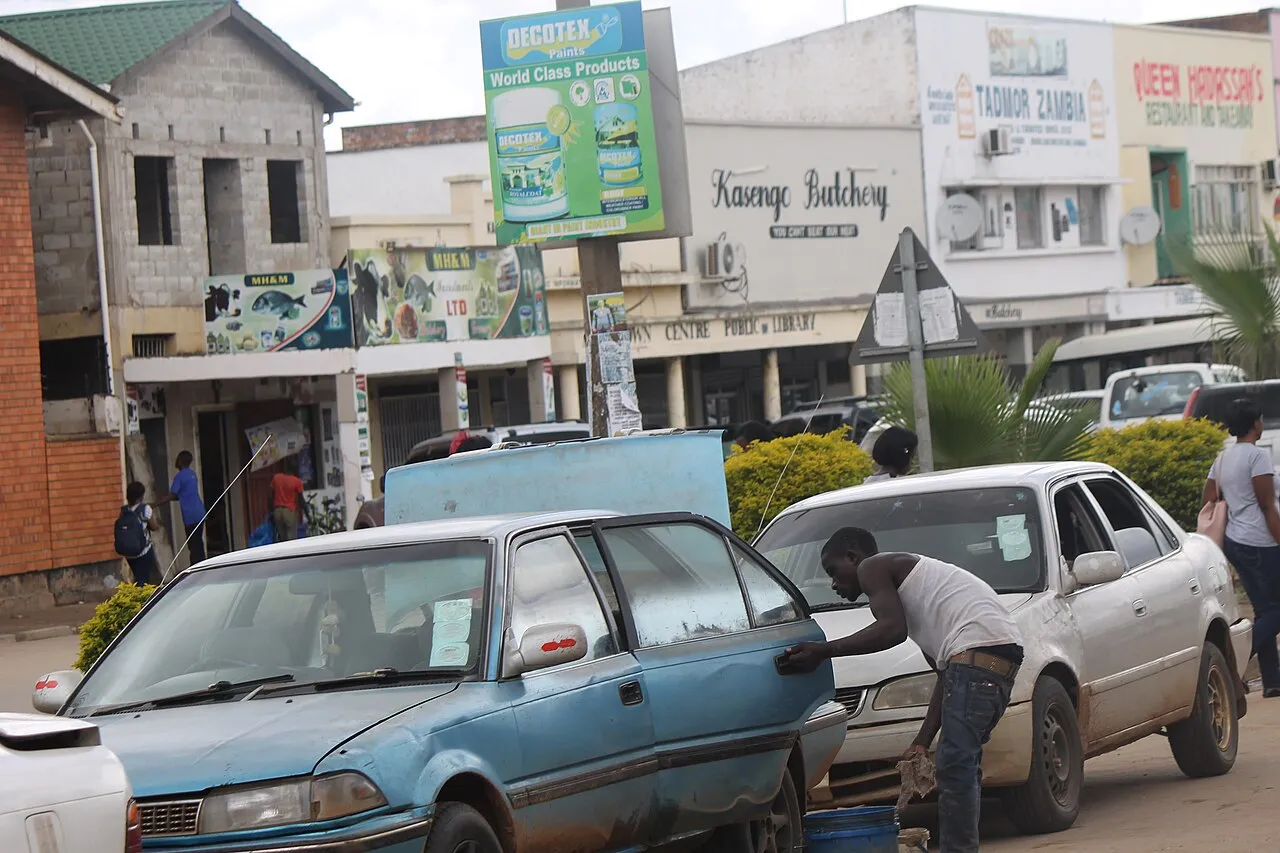
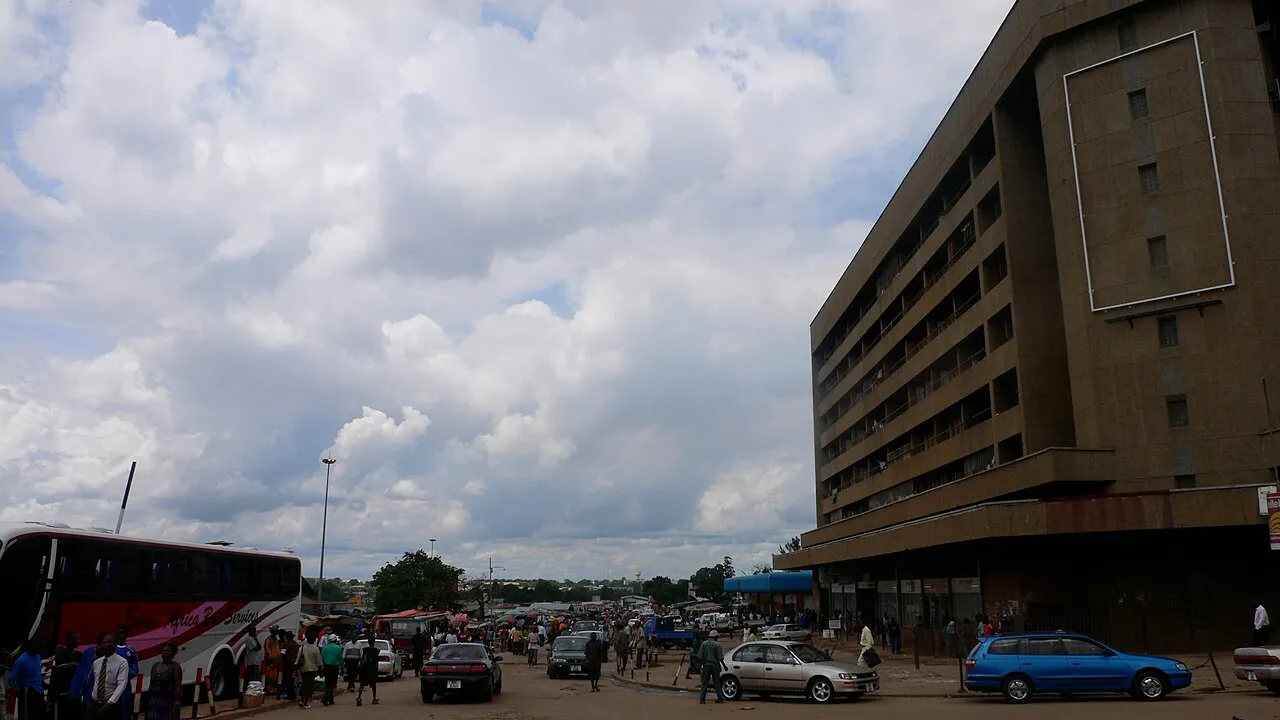
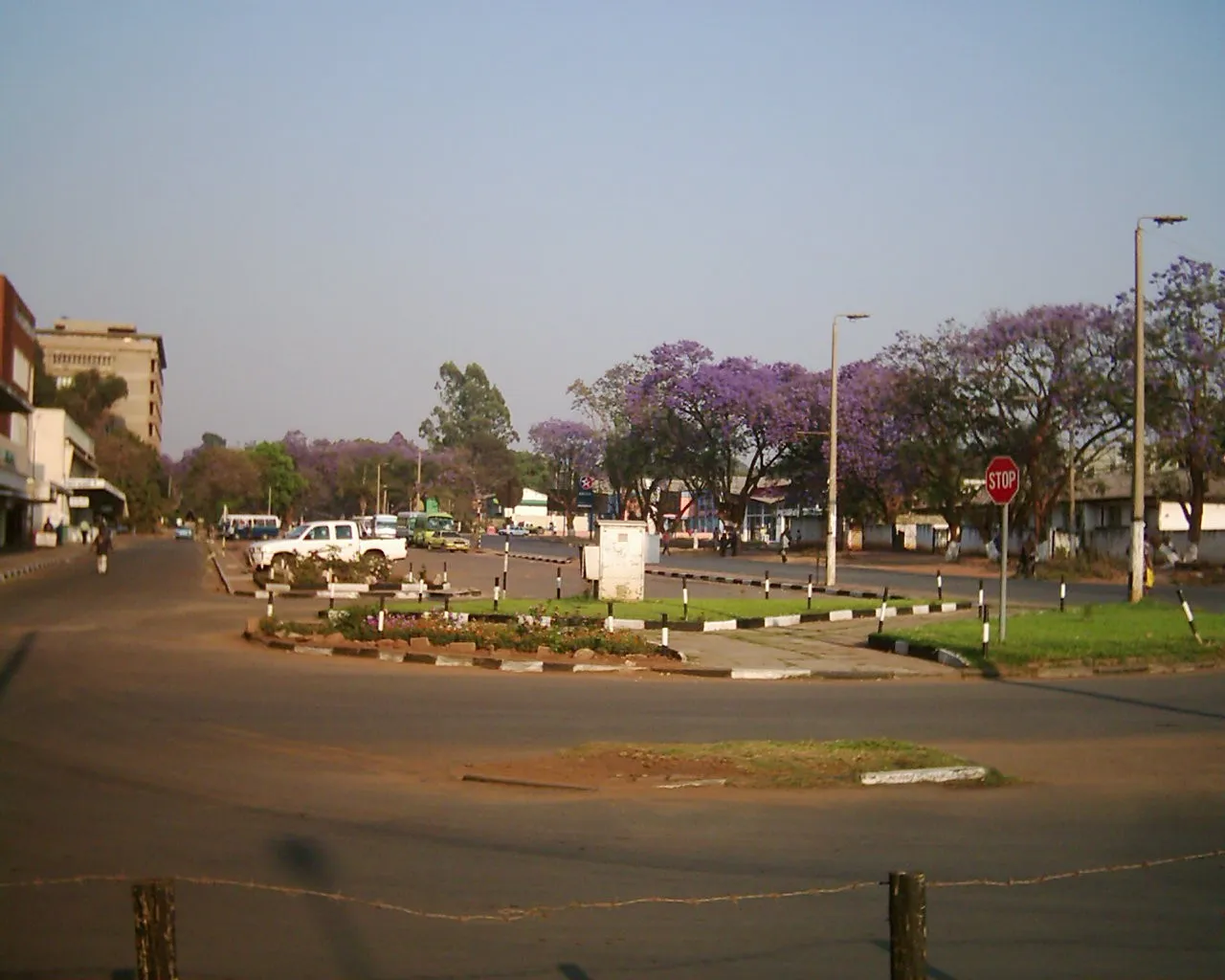
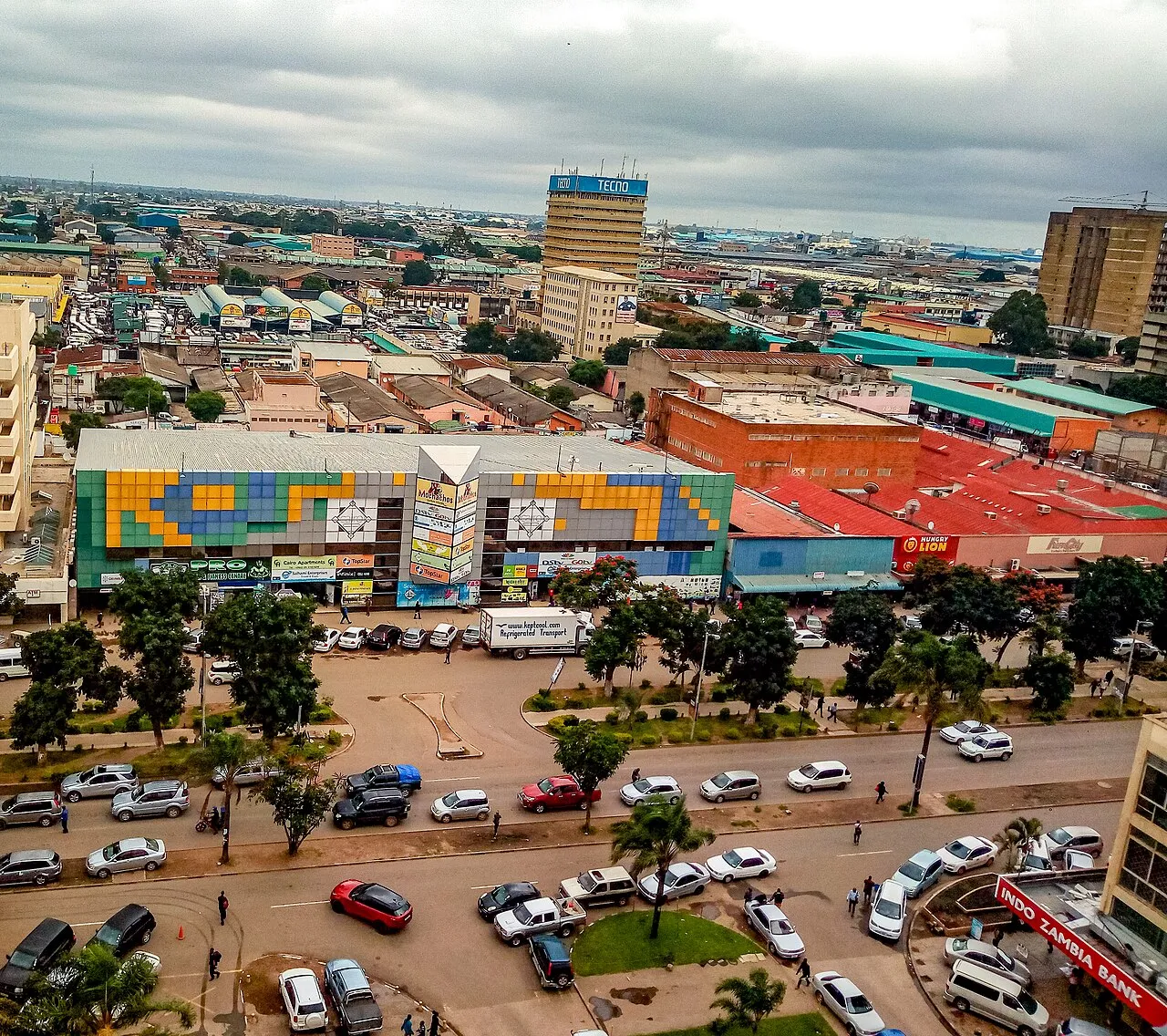
The base for visiting is Livingstone, established in 1905 and named after the explorer David Livingstone. It was made capital of Northern Rhodesia in 1911 and lost that role when the capital moved to Lusaka in 1935. Set away from the falls, it is quieter and less touristy4 than Victoria Falls Town in Zimbabwe.
What you see depends on the river. The falls reach full flood in about February and March, and sometimes the spray is so heavy that the falls cannot really be seen. April to about July is the best window for the falls, and October1 is widely considered the worst month because some of the rock is exposed, though even in October the falls are extremely impressive and worth a visit.
Getting oriented
Livingstone lies 10 km north of the Zambezi5. The falls are reached by driving south from town on Mosi-oa-Tunya Road for about 11 km. Just before the border, a turning to the right leads to a parking area2, and the walks around the falls start from there.
Mosi-oa-Tunya National Park runs from the Batoka Gorge for about 12 km along the Zambezi1 above the falls. In colonial Livingstone, the north and west of town and the centre were reserved for the colonial government and white-owned businesses5, while African townships such as Maramba lay to the east and south. Surviving Edwardian buildings from the capital years line the main road, and the Livingstone Museum stands on the main road through the centre4.
Highlights
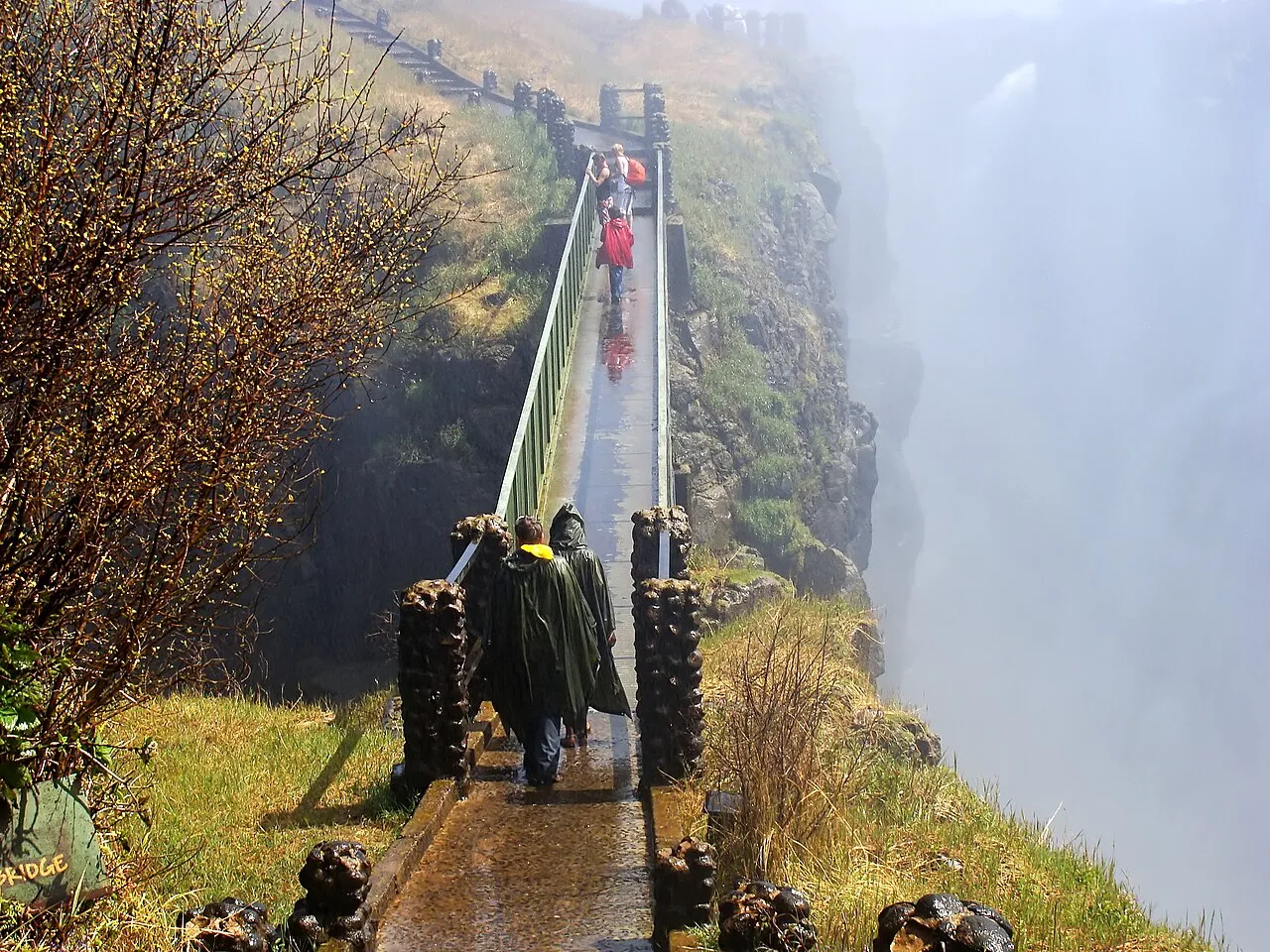
The rainforest path and Knife-Edge Bridge. Facing the falls is a second basalt wall of the same height, capped by mist-soaked rain forest, and a path along the edge of that forest gives a series of views of the falls to anyone ready to brave the spray. From the Knife-edge Bridge2 you look at the Eastern Cataract and the Main Falls, and at the Boiling Pot, where the river turns and heads down the Batoka Gorge. The Boiling Pot is reached by a steep footpath from the Zambian side6; its surface is smooth at low water, while at high water it shows enormous slow swirls and heavy turbulence.
Livingstone Island and Devil’s Pool. David Livingstone first viewed the falls on 16 November 1855 from the island now named after him, one of two land masses in the middle of the river near the Zambian shore. Devil’s Pool is a natural pool on the lip of the falls at the western tip of Livingstone Island. When the river flow is at a certain level, usually between September and December6, a rock barrier forms an eddy with minimal current, and swimmers go in just in front of the point where the water goes over.
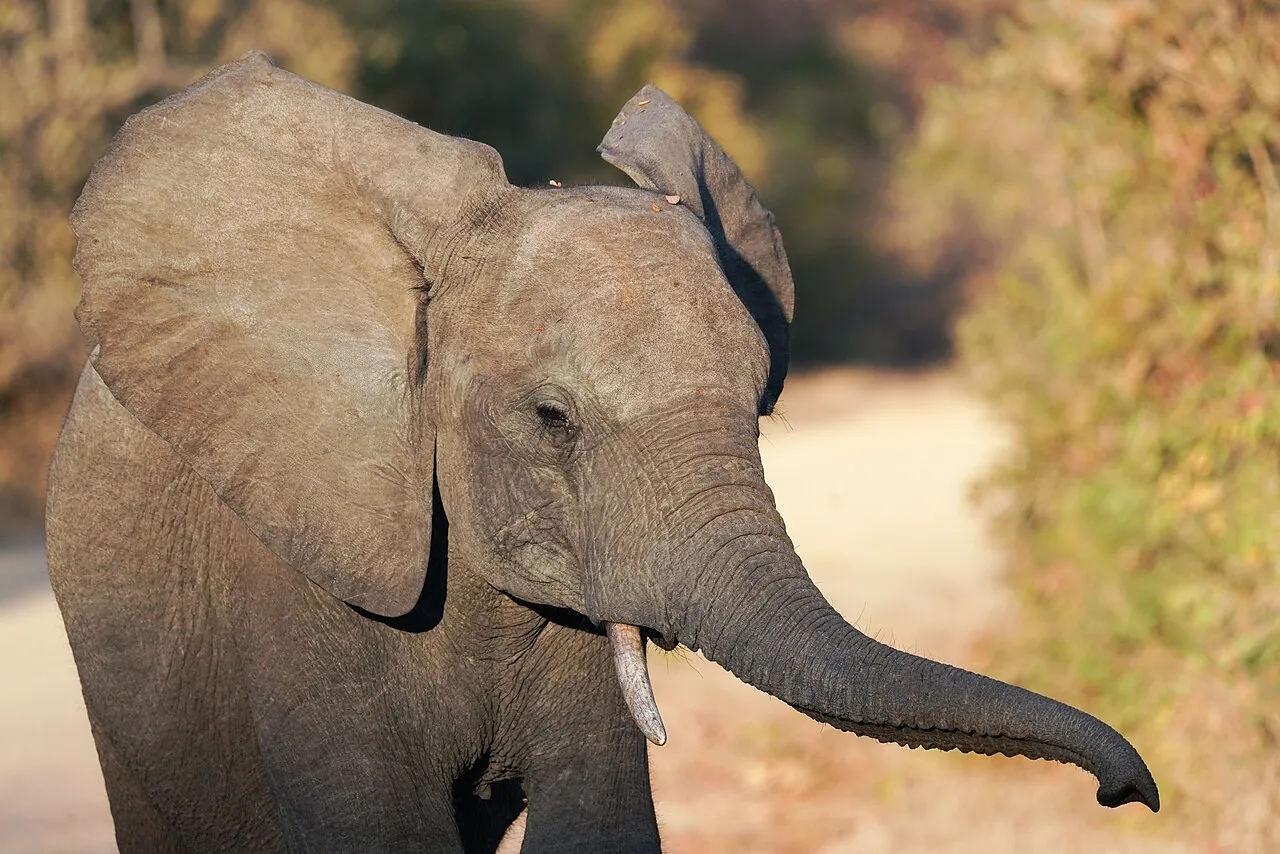
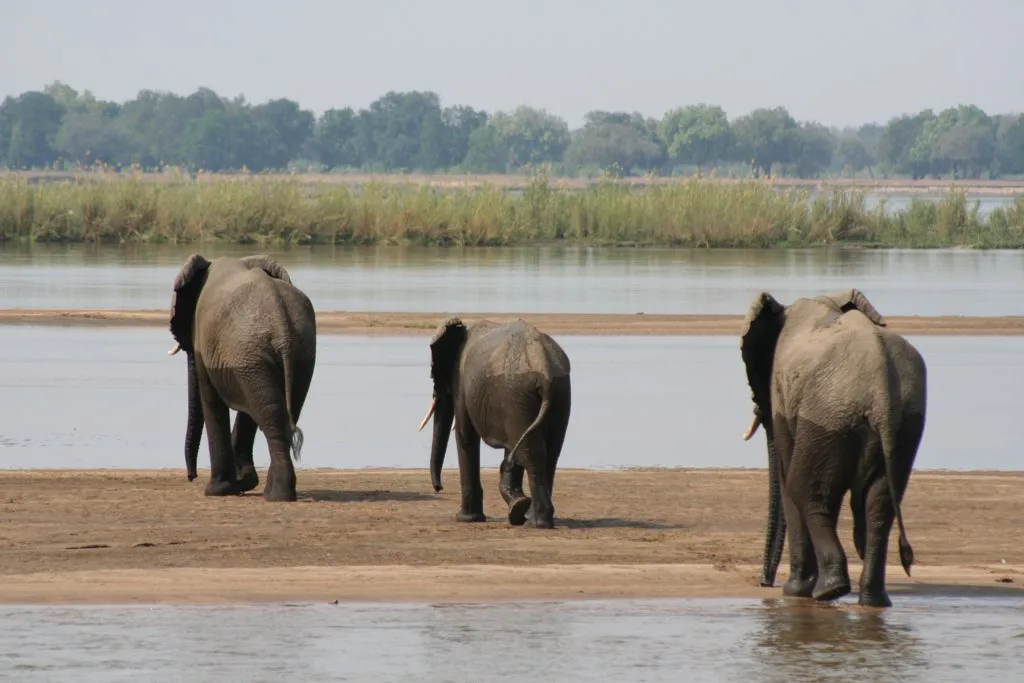
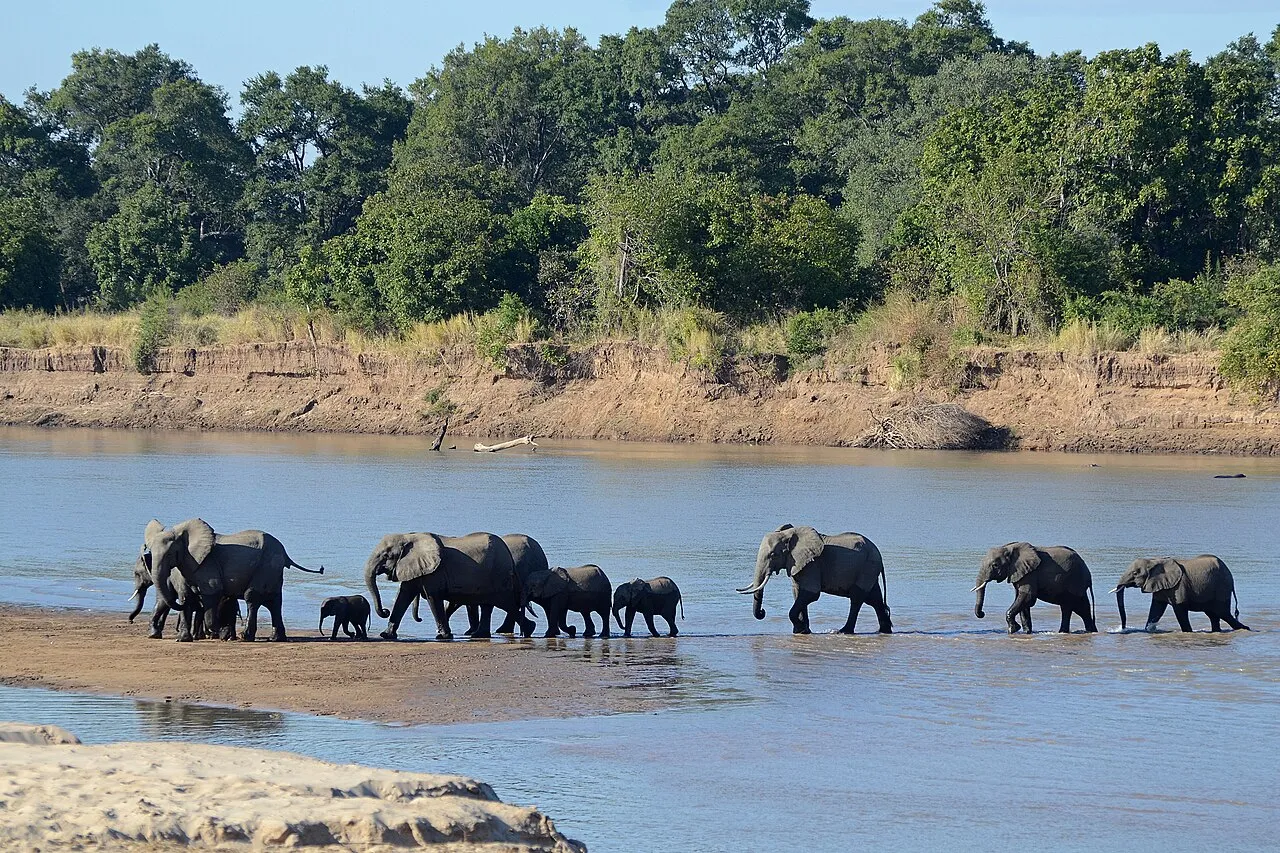
Mosi-oa-Tunya National Park. Away from the falls, the park is the only wildlife area with white rhinos in Zambia, which scouts from the Department of National Parks and Wildlife protect from poachers. Giraffe, buffalo, zebra, hippo and crocodiles live in the park year round, and elephants are found there especially in the drier months. You can explore it by vehicle, on foot with an armed ranger, or by boat on a Zambezi River cruise. The park also holds the Old Drift1, where ox-wagons were floated across the Zambezi before there was a bridge, and the cemetery of the first European immigrants.
Livingstone Museum and the Railway Museum. The Livingstone Museum is the country’s biggest and oldest museum, dating back to the 1930s, with galleries on archaeology, ethnography and art, history and natural history. It also houses a large collection of David Livingstone memorabilia, donated by the Livingstone family. The Railway Museum4 on Chishimba Falls Road keeps old steam locomotives and vintage coaches.
Upper Zambezi cruises. Boats on the river above the falls run everything from breakfast, lunch and sunset cruises to more social ‘booze cruises’. They pass Mosi-oa-Tunya National Park, where you can glimpse hippos, crocodiles, elephants and giraffe4 from the boat.
Gorge and river adventures. Adventure companies in Livingstone offer river boarding, white-water rafting, abseiling and kayaking4, along with horse-riding trails and quad biking. Around the falls, bungee jumping from the bridge and sightseeing flights over the falls6 have also become popular.
Getting around
Livingstone has its own airport, Harry Mwaanga Nkumbula International Airport. Proflight flies there from Lusaka, and there are regional flights from Cape Town, Nelspruit and Johannesburg in South Africa and from Nairobi in Kenya. By road, Livingstone is 470 km from Lusaka, and the drive on the T1 is considered to take over seven hours1. From Botswana you cross at Kazungula and drive about 60 km4 east.
From Zimbabwe, you cross the Victoria Falls Bridge from Victoria Falls Town and carry straight on for about 11 km to Livingstone. The left turning for the falls comes just after the Zambian customs post2. In town, local firms offer 4×4 hire, self-drive cars and transfers4, and several companies run day trips.
Where to stay by area
The two bases are Livingstone town itself and the many romantic and relaxed river lodges along the Zambezi. Many of the area’s hotels and lodges offer day trips into Livingstone4, and transfers can be hired if you do not have your own vehicle.
Day trips
The other half of the falls is in Zimbabwe: Victoria Falls Town is about 16 km from Livingstone over the old railway bridge, and UNESCO notes that the falls can be viewed face-on from both Zambia and Zimbabwe3. Tours from Livingstone also go to Mukuni Cultural Village4. Mosi-oa-Tunya National Park itself is a year-round option1 and a good way to ease into or out of a longer or first safari.