Why go
Mosi-oa-Tunya National Park in Zambia is one of the country’s smallest national parks, bordered by Livingstone town, farmland and the Zambezi River. It runs from the Batoka Gorge for about 12 km along the Zambezi, above Victoria Falls. Zambia Tourism gives its area as 23.4 km² and its founding year as 19721.
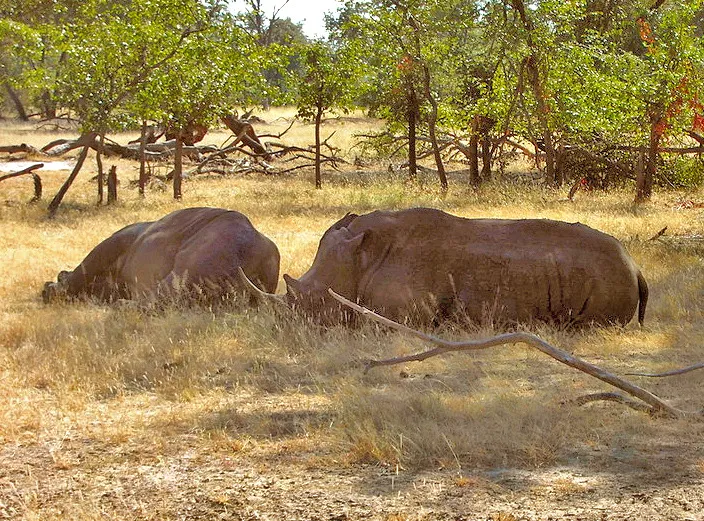
The park is the only wildlife area in Zambia with white rhinos1, and scouts from the Department of National Parks and Wildlife guard them closely against poachers. In 2022 there were 10 white rhinos in the park. They are not native to Zambia: they were imported from South Africa2.
The park also covers the Zambian side of the falls. It includes the Eastern Cataract of the Victoria Falls, and UNESCO’s cross-border World Heritage property, Mosi-oa-Tunya / Victoria Falls, takes in 3779 ha of the park3. Zambia Tourism says many visitors are too quick to neglect1 the park, although most drive through it on the way to other activities. It counts being under-visited as part of the park’s appeal.
What you will see
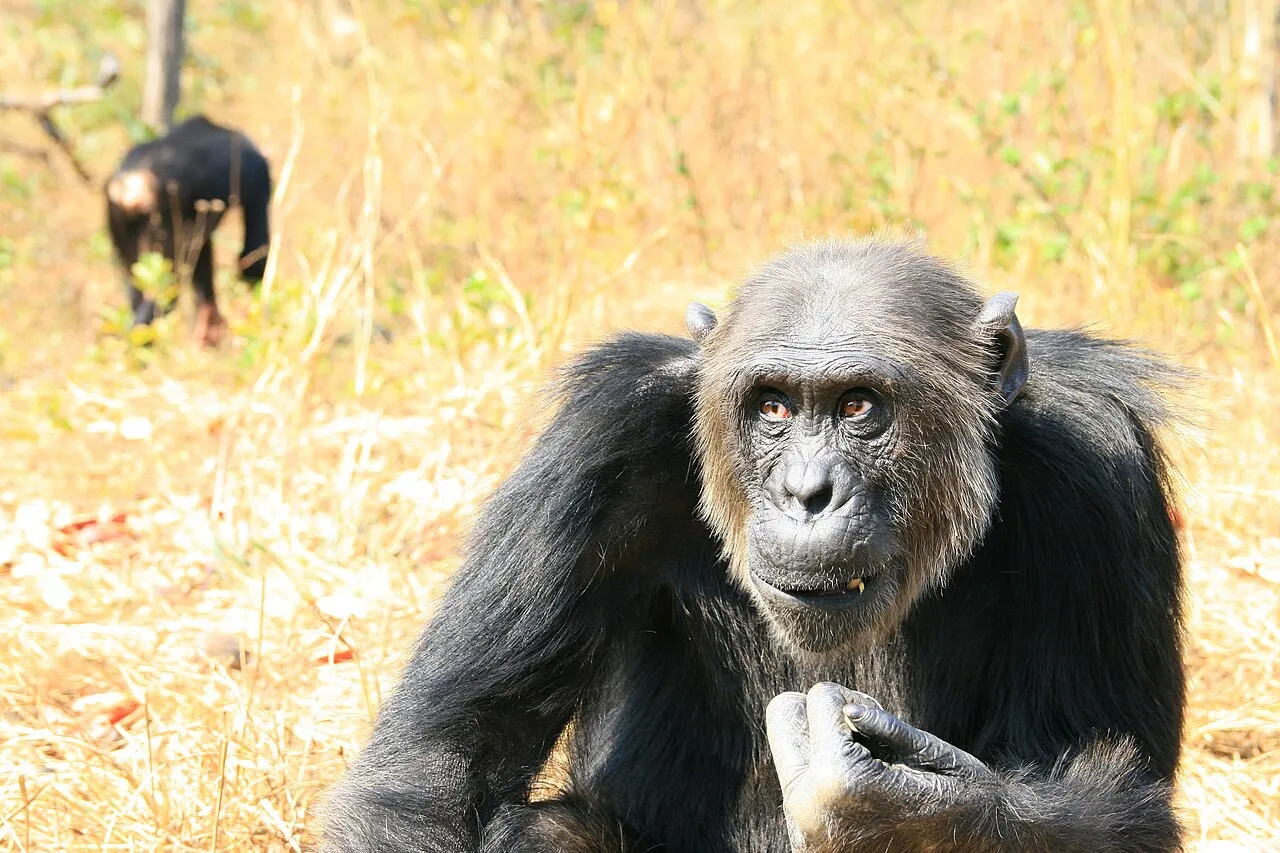
Alongside the migrating elephants, the park’s year-round residents are white rhino, giraffe, buffalo, waterbuck, impala, wildebeest, zebra, bushbuck, warthog, monkeys, baboon, hippo and crocodiles. They inhabit a mix of riverine forest, mopane woodland and grassland. The sanctuary has no predators, and Zambia Tourism says that, together with its man-made boundaries, this keeps the wildlife population stable all year. Because the park is small, the animals don’t migrate and can usually be easily found1.
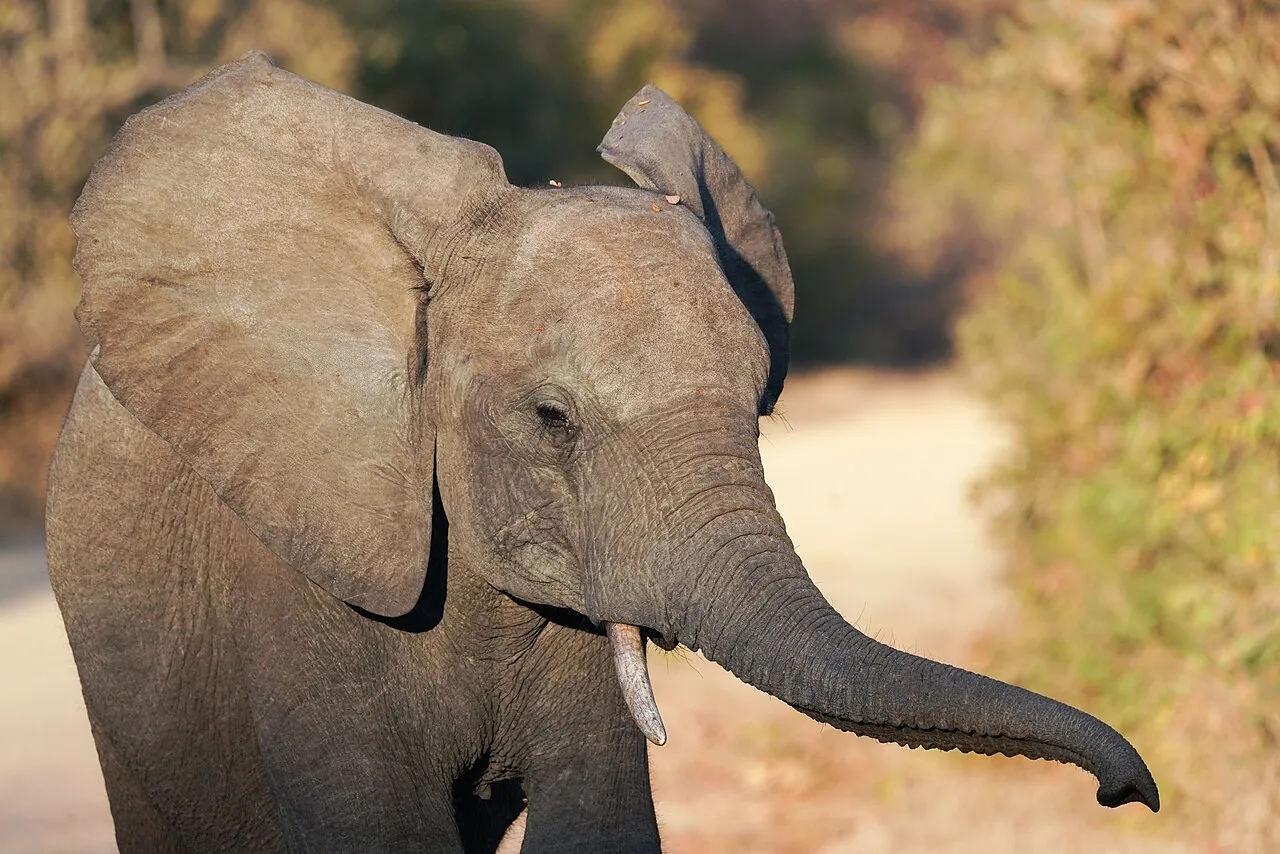
Livingstone borders several ancient wildlife migration routes and river crossings, some frequented by elephants1. A few of these lie inside the park, where elephants are seen especially in the drier months. They are often seen when they cross the river in the dry season from the Zimbabwe side. You can see hippo and crocodile from the river bank2.
The rhinos have not had an easy run here. The first introduction was two rhinos, and both were poached on the night of 6 June 2007. One was shot dead near the gate. The other survived serious bullet wounds. By 20092 there were five rhinos. Zambia Tourism says the rhinos are constantly monitored and under heavy protection1.
Zambia Tourism calls the gorges very productive and a good place for rarer species such as clawless otters and klipspringers. It counts 35 recorded species of raptors1, including peregrine and Taita falcons, Verreaux’s eagles and augur buzzards. It also suggests watching for finfoots, blue-billed teals and African black ducks. UNESCO notes that the river has cut eight spectacular gorges3 into the basalt, and these are breeding sites for four endangered bird species.
There’s history here as well as wildlife. The Old Drift Crossing Point and Cemetery1 are here, where the first European immigrants are buried. Before there was a bridge, the Old Drift was where ox-wagons were floated across the Zambezi. The settlers camped by the river and kept dying of an illness they blamed on fever trees, though the real cause was the malarial mosquito2. The community soon moved to higher ground, and the town of Livingstone emerged.
Near the falls the scenery changes entirely: by the Eastern Cataract the park is lush rainforest1, kept alive by spray from the waterfall and home to smaller antelope and warthog. This rainforest has plants that are rare for the area, such as pod mahogany, ebony, ivory palm and wild date palm. UNESCO puts the Eastern Cataract’s drop at 98 m3. From the Knife-edge Bridge4 you get the best view of the Eastern Cataract, the Main Falls and the Boiling Pot. A new statue of David Livingstone went up in the park in November 20052.
Visiting: what to know before you go
The park is easily accessible from Livingstone. You can explore parts of it by vehicle (driving yourself or on a game drive), on foot on a guided walking safari with an armed ranger1, or by boat on a Zambezi River cruise. It has two main sections with separate entrances2: a wildlife park at the north-western end and the land next to the falls.
Zambia Tourism suggests the park for families, or for anyone who wants a taste of safari or a couple of hours away from town life but has no time to travel further afield. It calls the park a year-round option1 and a good way to ease into, or out of, a longer or first safari.
Entry fees are charged per person per day, and the published table is subject to change without notice, so check costs before you leave. Children under five do not pay, and children aged five to 13 pay 50% of the entry fee. Self-drivers pay their own rate5, and vehicles are charged separately, per vehicle per day.
Timing matters. The falls are in full flood around February and March, and the spray can be so heavy that you cannot really see them. April to about July1 is the best time for the falls. Around Livingstone, peak safari season runs about July to October, when the bush dies down and animals stay close to the remaining water, which makes them easier to find. October6 is usually the hottest and driest month.
If you would rather watch from the water, cruises on the Upper Zambezi take you past the park6, where you can glimpse hippos, crocodiles, elephants and giraffe.
Getting there
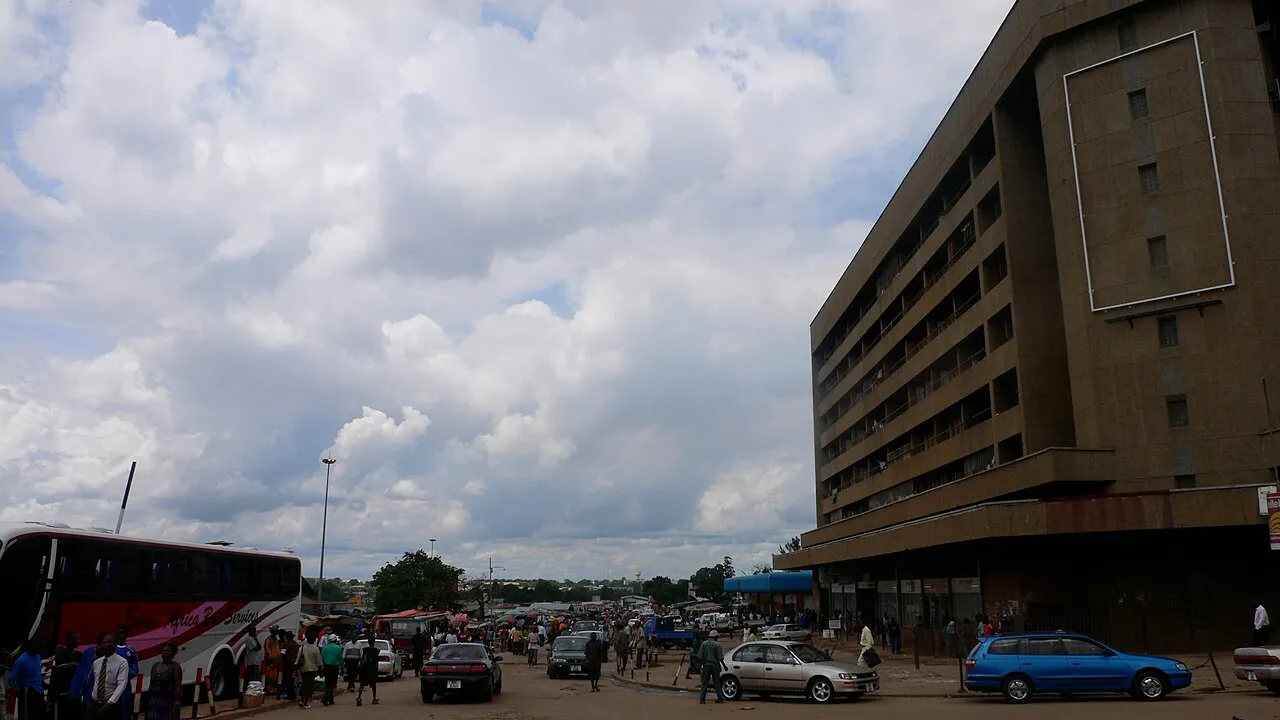
From Livingstone, head south on Mosi-oa-Tunya Road for about 11 km4 to reach the falls. Just before the border, a right turn leads to a parking area where the walks around the falls begin.
There are direct flights to Livingstone from Lusaka, from Cape Town, Nelspruit and Johannesburg in South Africa, and from Nairobi in Kenya. Self-drivers can use the T1 from Lusaka, which is considered a full day’s drive of over seven hours. Another popular transfer route crosses from Kasane in Botswana into Victoria Falls Town in Zimbabwe, then takes the old railway bridge into Zambia, to Livingstone about 16 km away1.
Nearby
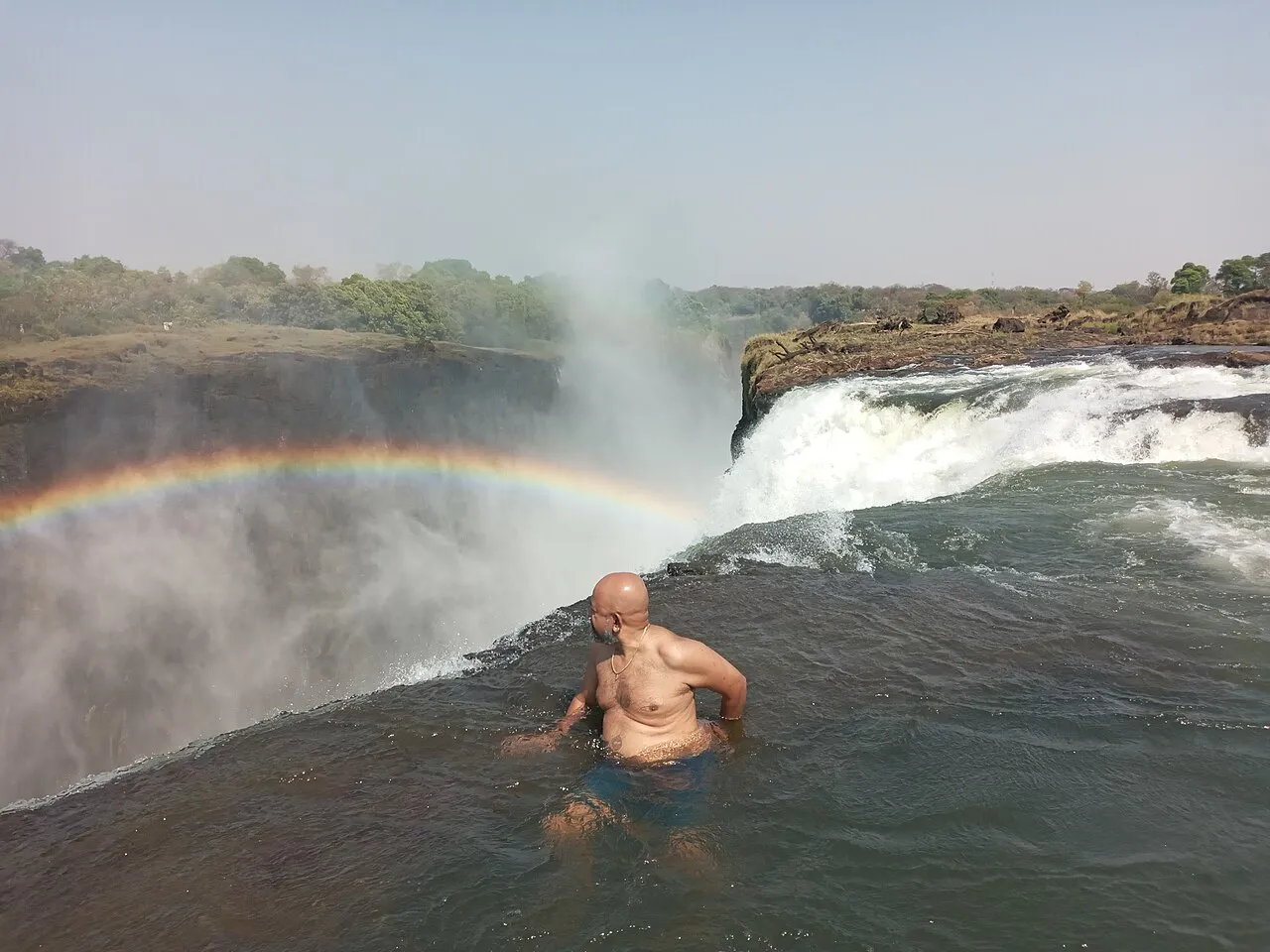
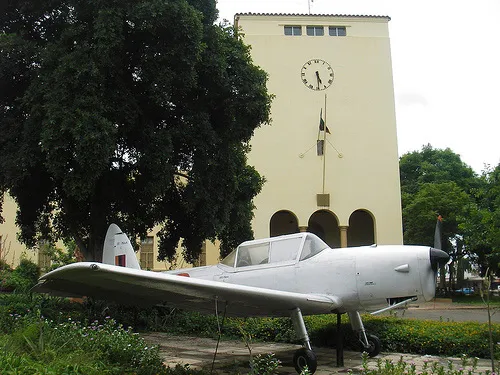
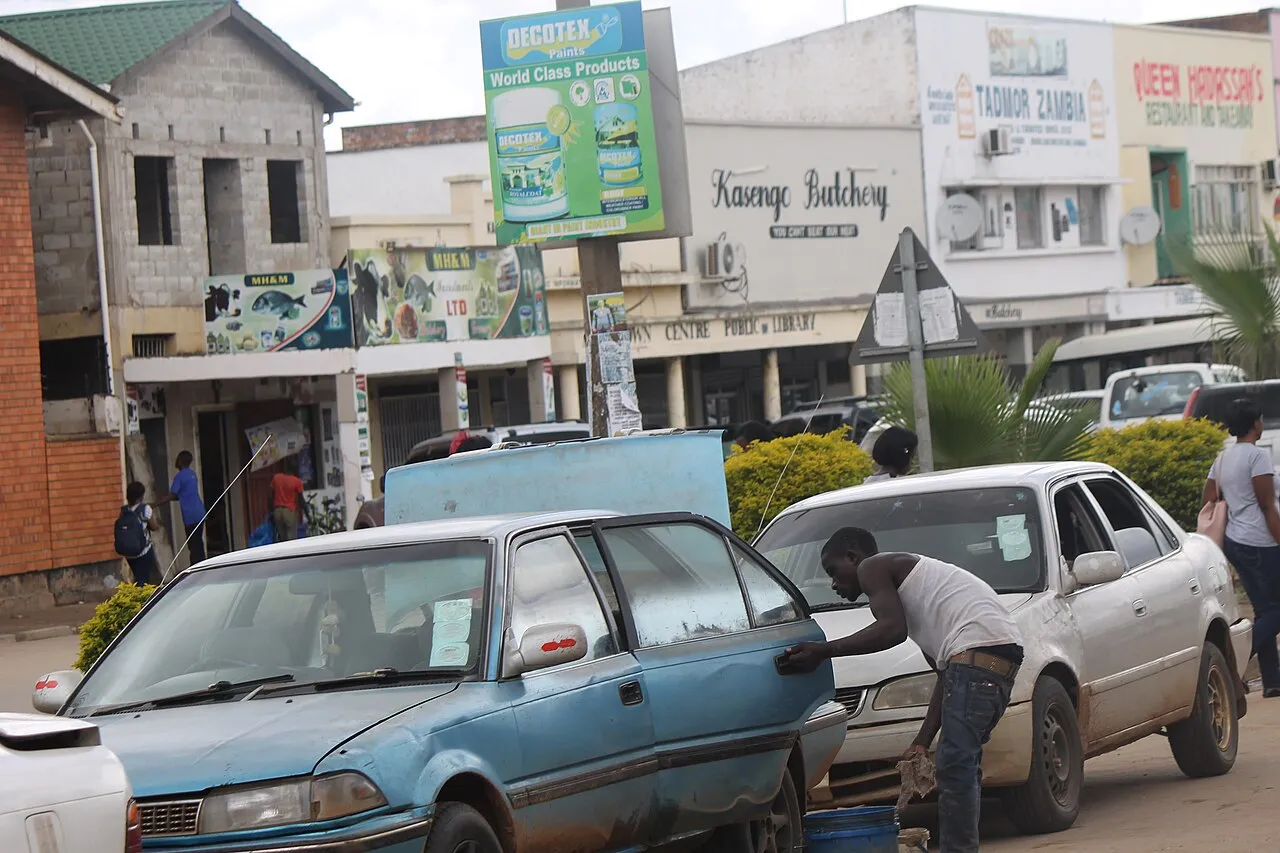
For the other viewpoints on the Zambian side and Livingstone town, see Victoria Falls. Devil’s Pool and Livingstone Island are highly seasonal and usually start only about mid-year, once water levels have dropped. The Livingstone Museum in town is the country’s biggest and oldest museum. Tours from Livingstone also visit Mukuni Cultural Village6, and the Railway Museum on Chishimba Falls road keeps old steam locomotives and vintage coaches. For a longer safari, see Kafue National Park, Lower Zambezi National Park or South Luangwa National Park.