Why go
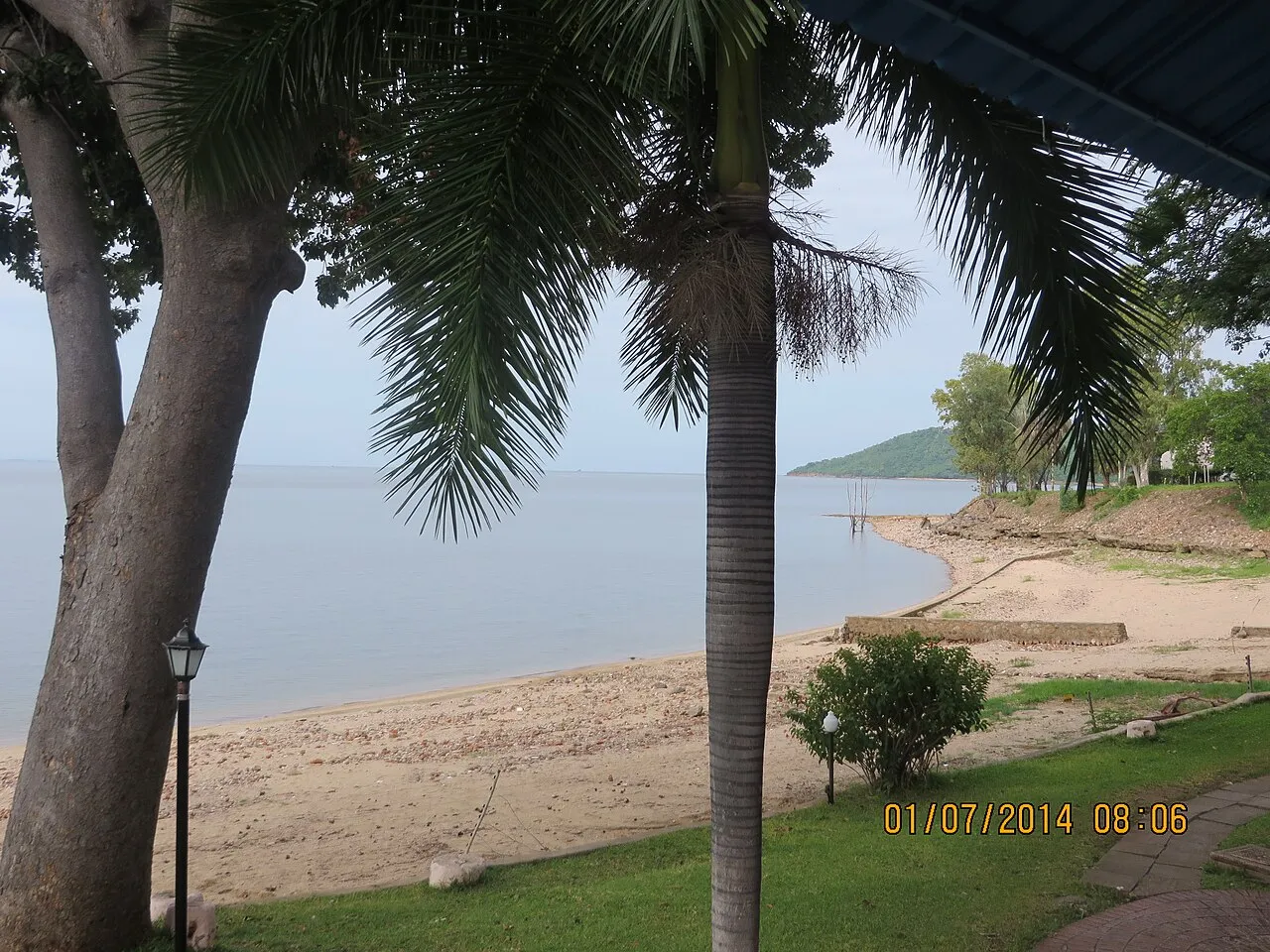
Lake Kariba is the closest thing Zambia has to a coast. The national tourism portal calls it Zambia’s undiscovered Riviera1, and lists what it offers: big views, sunsets, fishing, boating, water sports, safari on the shoreline and lazy days in the sun. Wikivoyage puts it more bluntly, describing Siavonga as the closest most Zambians will ever get to a seaside town2.
The lake is a reservoir, not a natural lake. It was filled between 1958 and 19633 after the Kariba Dam was completed, and it is the world’s largest water reservoir by volume. The Zambezi River Authority gives its length at full supply level as 280 kilometres, and 32 kilometres at its widest4. The Zambian tourism portal notes that the sheer size makes you forget it’s a dam1, and in places it can feel almost like an ocean.
Siavonga sits on the north shore of Lake Kariba5 and is Zambia’s principal tourism centre for the lake, with accommodation, boating and fishing tours.
What you will see
The dam lies in the Gwembe Valley, a rift valley 70 km wide on average with escarpments on both sides that rise to approximately 700 metres6.
Wikivoyage names the nearby Kariba Dam2 as probably the town’s main attraction. It is a double-curvature concrete arch 128 metres high with a crest 617 metres long4. The French engineer Andre Coyne designed it, the Italian consortium Impresit won the building contract on 16 July 1956, and the work ran from 1956 to 19606, up to the commissioning of the first generator. The lake supplies considerable electric power to both Zambia and Zimbabwe1.
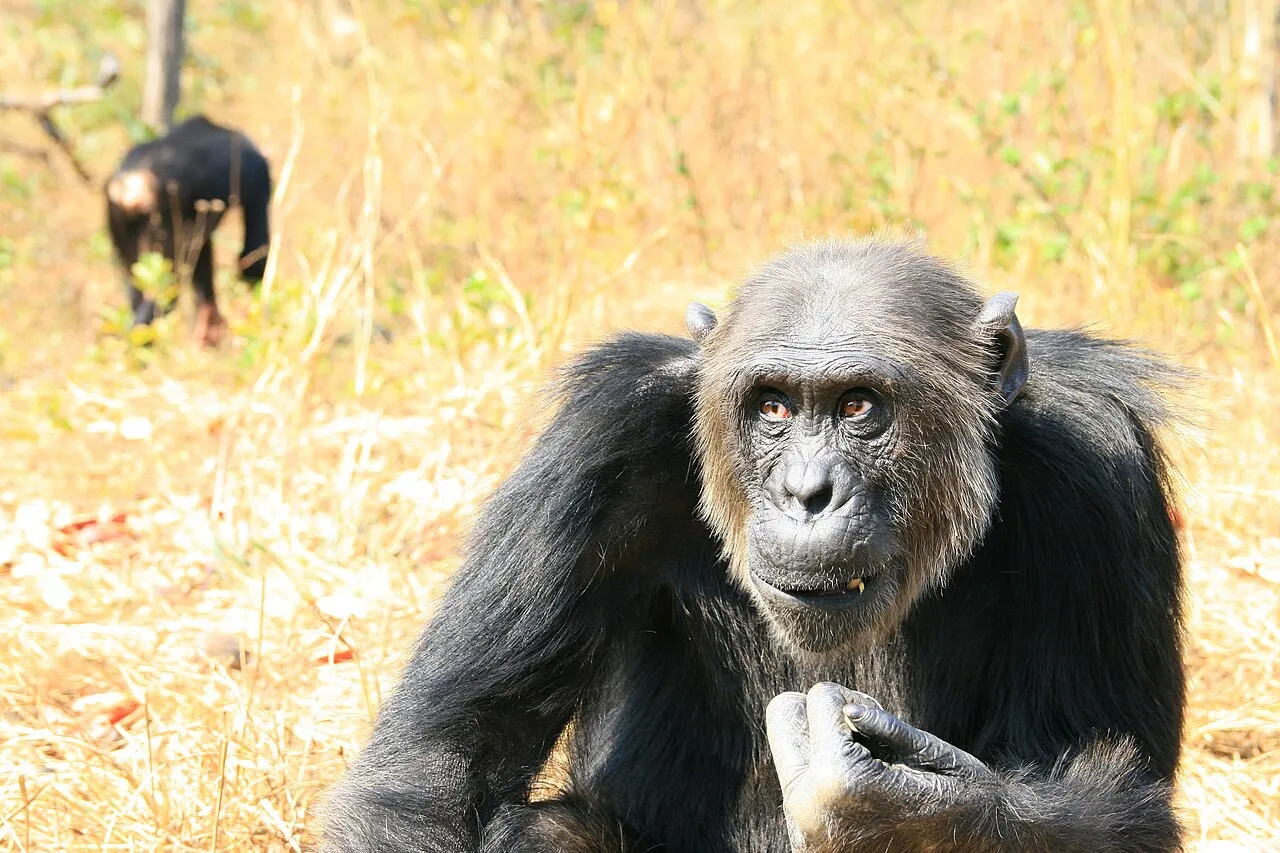
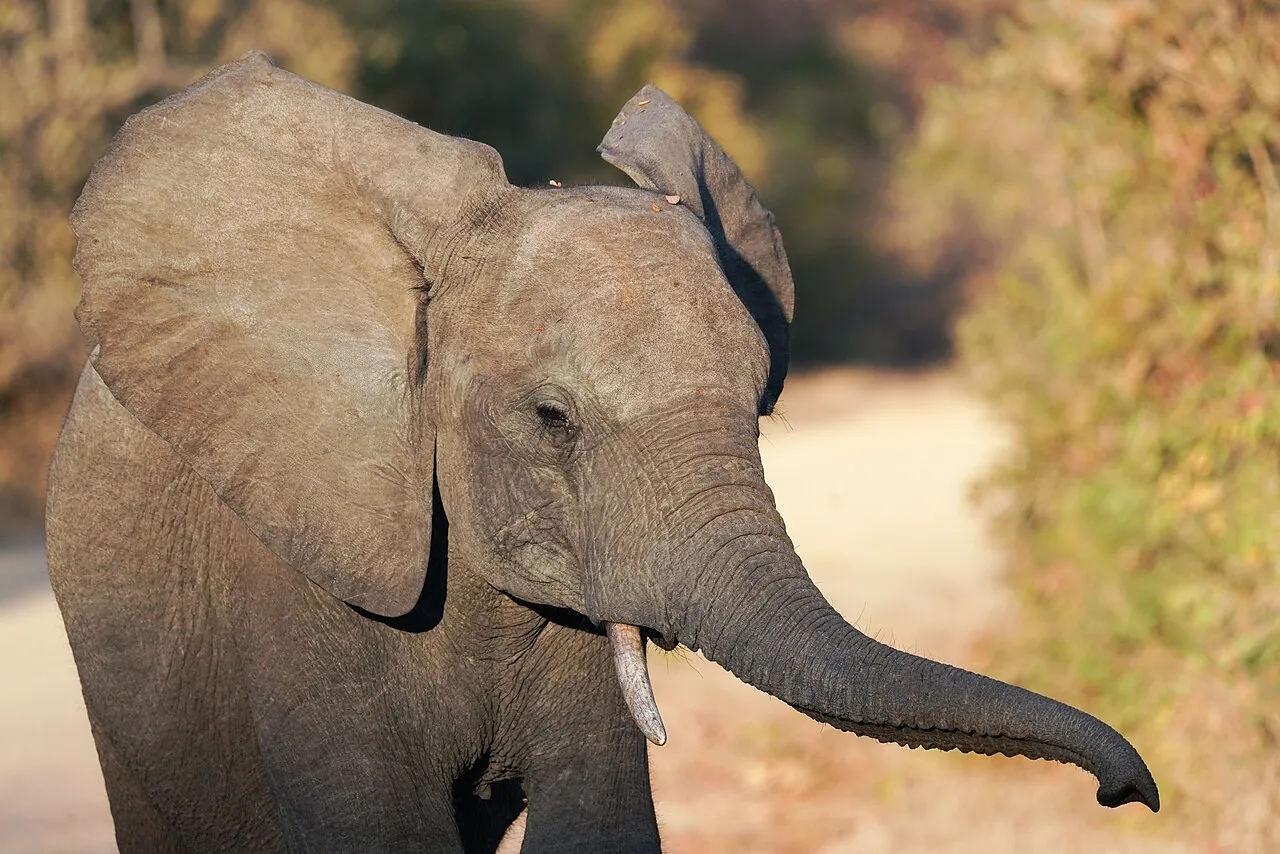
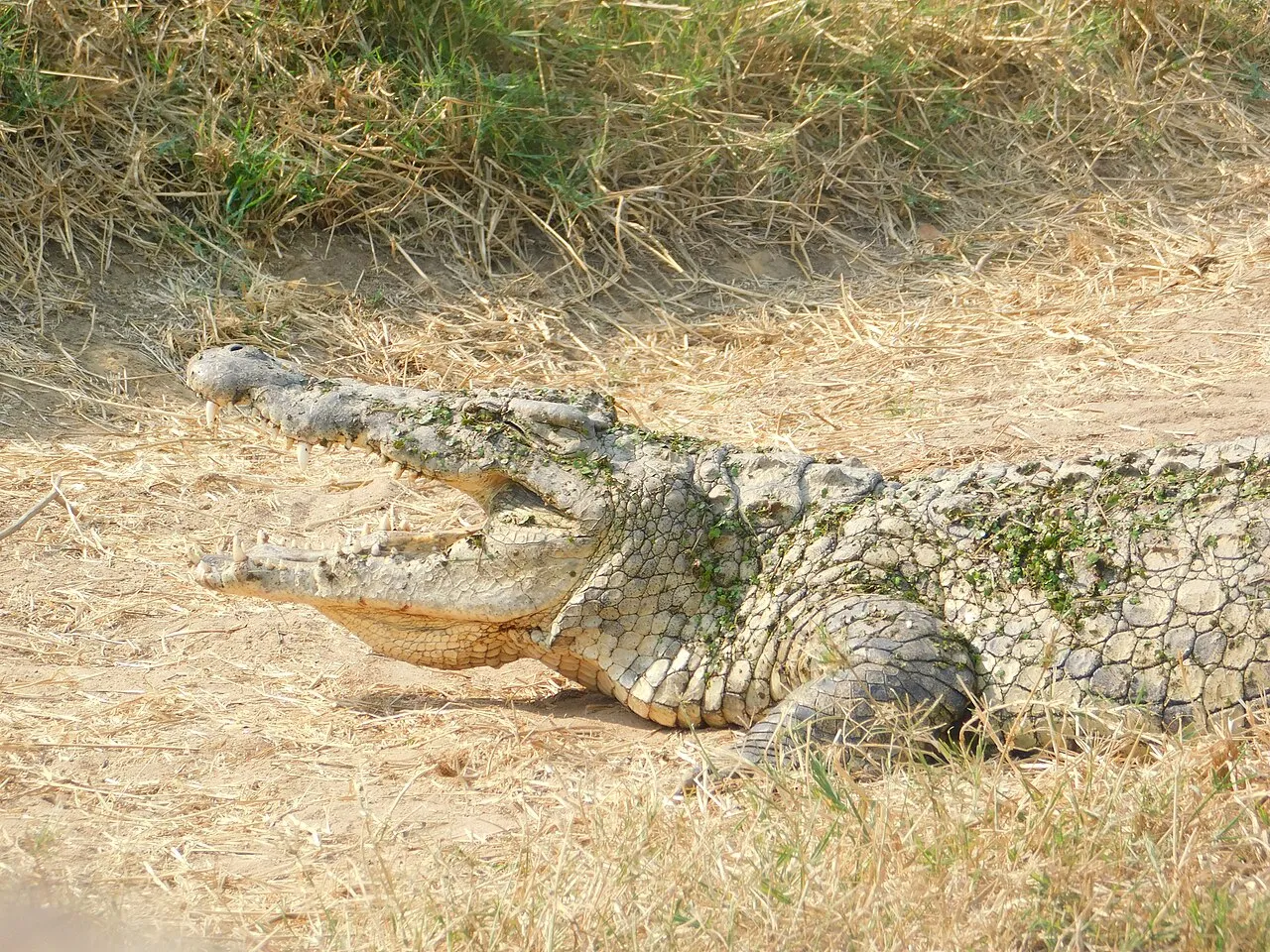
Nile crocodiles and hippopotamuses live in the lake, and fish eagles and cormorants patrol the shorelines. Tigerfish, native to the Zambezi system, thrive on the kapenta, a sardine-like fish brought in from Lake Tanganyika that also supports a commercial fishery3.
Islands with wildlife are scattered across the lake; Chete and Chinanka are among the largest. Chinanka is privately owned and open only to guests1 of its fishing lodge.
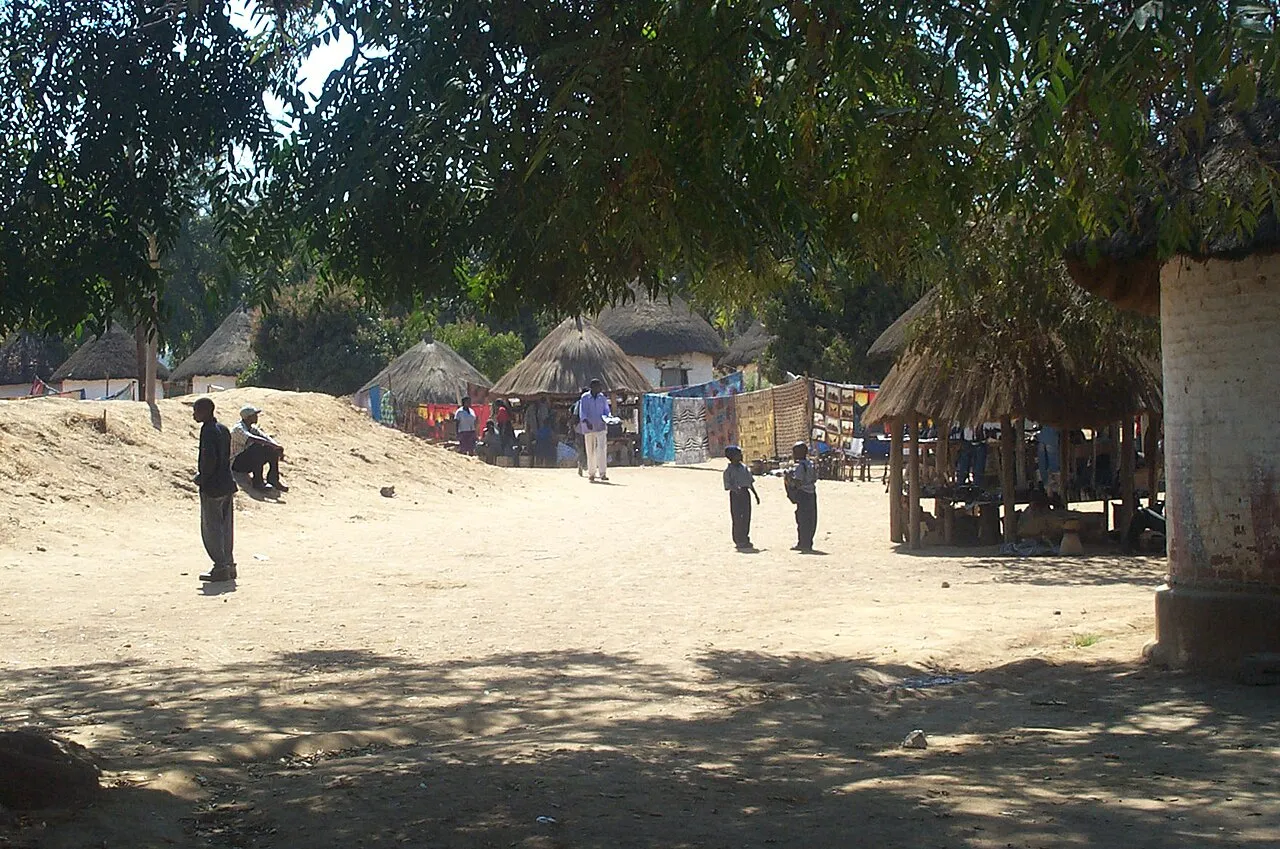
Around Siavonga, the Tonga are the major group5 living on the lake shore, and Siavonga and Sinazongwe expanded to house people displaced3 by the new lake.
Visiting: what to know before you go
The main focus on Kariba is houseboating and fishing1, and on Kariba fishing is allowed year-round, not only in a season as on other Zambian lakes and rivers. In Siavonga, many places on the waterfront2 offer boat trips, and a sunset booze cruise runs for a livelier crowd.
The tourism portal says access from this side is fairly limited and that the Zimbabwean side offers more facilities. Of the two main Zambian lake towns, Sinazongwe and Siavonga, Siavonga is the more developed1, with more ways onto the water.
Weather is mostly sunny and fine. It can get quite hot around January and February, while winter days around July1 are warm and the nights balmy.
Water levels change from year to year. The lake is designed to run between 475.50 m and 488.50 m for hydropower. On 2 November 2026 it stood at 480.17 m, or 33.07% usable storage, up from 476.82 m (9.12%)7 on the same date a year earlier, and it was falling.
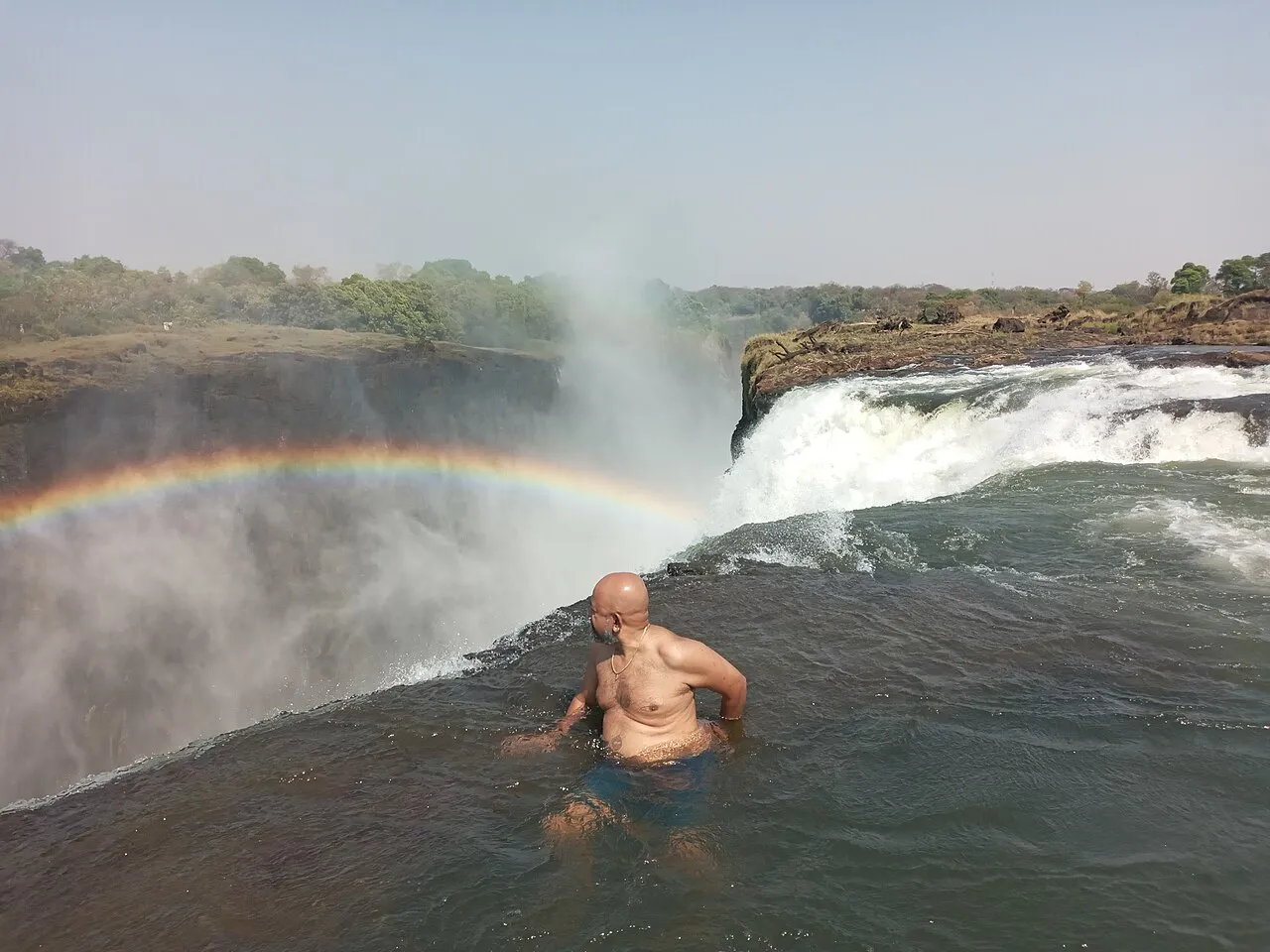
A Siavonga lodge listing advises against a dip in the lake because the water is infested with crocodiles; that lodge, Sandy Beach Lodge, has a pool2 instead.
Getting there
Siavonga is a 2½-hour drive from Lusaka through Kafue town. After crossing the Kafue River, keep straight rather than turning onto Chirundu Road; about 70 km after the river take a right turn, then drive another 60 km or so. Expect trucks with breakdowns2 on the road.
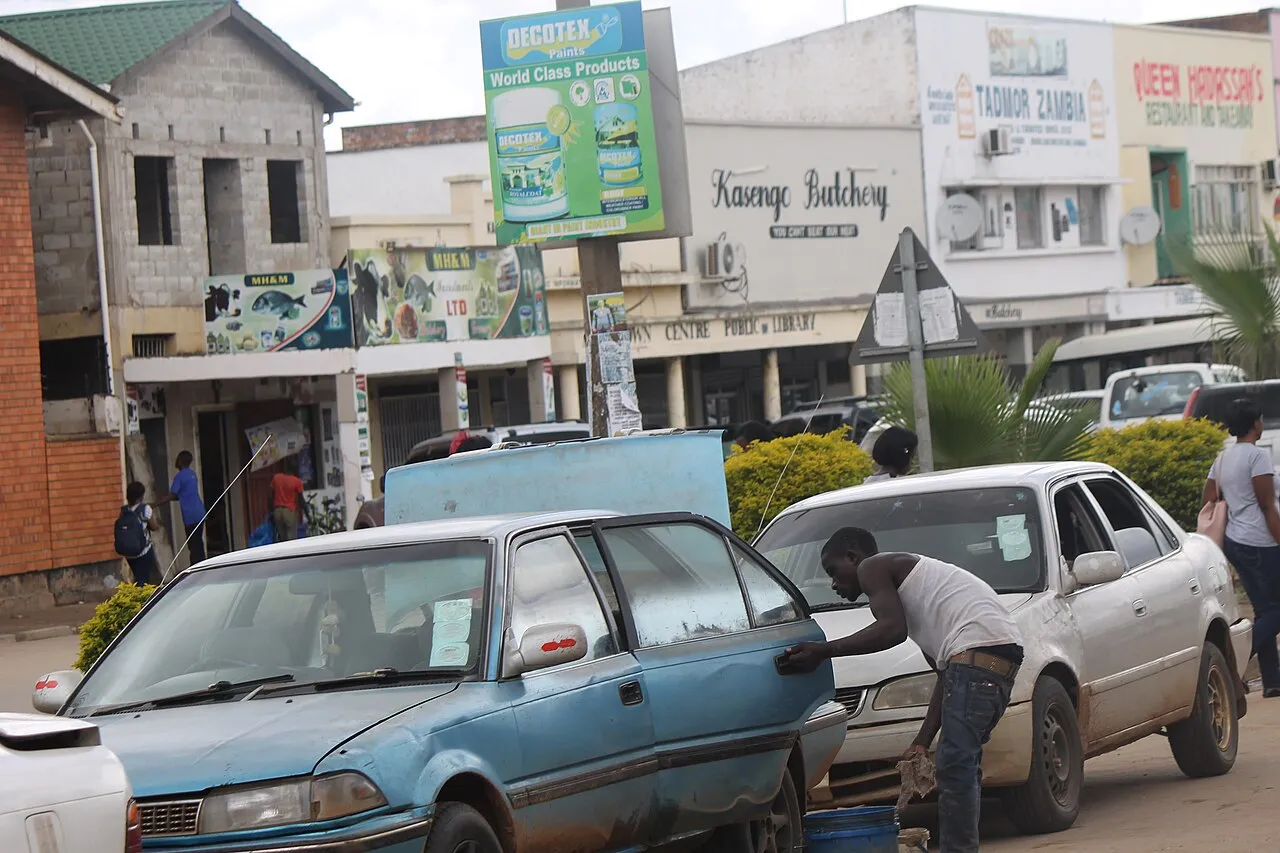
Without a car, minibuses leave from the market when full. You can also hitchhike to the junction with the M15, 6 km northeast of town, and flag down a bus or shared taxi to Lusaka, a trip of 4 hours. In town there are only a handful of minibuses2 and few taxis, and the streets are hilly.
Nearby
Across the water, the town of Kariba in Zimbabwe was built for the dam’s construction workers3, and the Zimbabwean shore of the lake is the side the tourism portal credits with more facilities1.